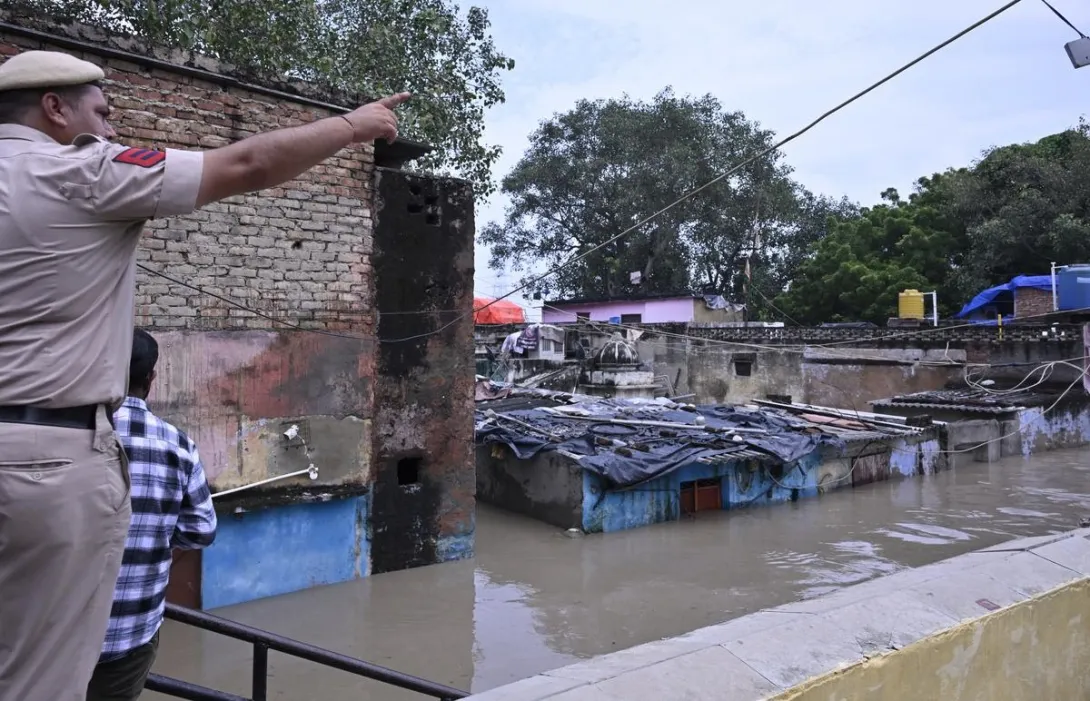
The Bhakra Dam, a critical water reservoir for northern India, has reached a perilously high level, standing only a foot below its designated danger mark. This development has set off alarms across Punjab, where officials are closely monitoring the situation to prevent potential flooding in low-lying areas. With continuous inflows from upstream rivers and unpredictable monsoon patterns, the risk of water release looms large. Authorities are preparing for controlled discharges while simultaneously coordinating relief efforts, highlighting the delicate balance between ensuring water security and safeguarding lives and property.
Rising Water Levels: A Growing Concern
The Bhakra Dam, which plays a pivotal role in irrigation, power generation, and drinking water supply, has witnessed a sharp rise in its reservoir levels. Current measurements place the water level just a foot below the danger threshold, leaving little buffer for additional inflows. Heavy rainfall in the catchment areas of Himachal Pradesh has compounded the situation, pushing the dam closer to its maximum capacity.
Experts caution that while the dam has been designed to withstand high inflows, exceeding its safe operational limits could force emergency releases. Such measures, though necessary, may increase flood risks in downstream regions of Punjab, Haryana, and Rajasthan.
Impact on Punjab’s Low-Lying Areas
Several districts in Punjab are already bracing for potential flooding. Administrations in vulnerable zones have been placed on high alert, with evacuation strategies being reviewed. Farmers in riverbank villages remain particularly anxious, as crops face the dual threat of inundation and soil erosion. Authorities are deploying disaster management teams to ensure swift response if water levels necessitate sudden releases from the reservoir.
The timing is particularly sensitive for Punjab’s agrarian economy. With fields of paddy in critical growth stages, widespread flooding could cause significant losses, compounding existing agricultural challenges.
Government and Institutional Response
State authorities, in collaboration with the Bhakra Beas Management Board (BBMB), are assessing water discharge strategies to strike a balance between reservoir safety and downstream protection. Coordination meetings are underway with district officials, while real-time monitoring systems are tracking inflows and weather forecasts.
Emergency control rooms have been activated, and rescue equipment, including boats and relief material, is being readied for rapid deployment. Officials emphasize that precautionary steps are being taken to minimize disruption, though much depends on the intensity and duration of incoming rains.
Balancing Water Security and Safety
The Bhakra Dam is not only an engineering marvel but also the lifeline of millions who depend on its waters for agriculture and power supply. Yet, its current state underscores the inherent vulnerabilities of large-scale water infrastructure in the face of extreme weather. Climate variability, with heavier-than-usual rainfall patterns, is intensifying the pressures on such reservoirs, demanding more resilient water management strategies.
In the coming days, the situation at Bhakra will test the preparedness of state machinery. While proactive measures may avert a crisis, the episode serves as a reminder of the delicate interplay between water resource management, climate shifts, and disaster readiness.
Comments