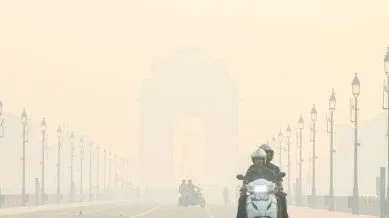
The Commission for Air Quality Management (CAQM) has issued a formal clarification dismissing reports that Stage IV of the Graded Response Action Plan (GRAP) has been imposed across Delhi-NCR. The authority stated that no such directive has been issued and categorically termed the widely shared information as “misleading.” The clarification comes amid heightened public anxiety over deteriorating air quality and speculation regarding potential restrictions. This article explains CAQM’s statement, the current status of GRAP implementation, the implications for residents and industry, and why accurate communication is crucial during the region’s annual pollution cycle.
CAQM Rejects Claims of GRAP IV Activation
The CAQM clarified that it has not invoked GRAP Stage IV, the most stringent category of emergency measures used when air quality enters the “Severe+” bracket. The commission emphasized that such decisions are made only after scientific assessment and consultation with forecasting agencies.
Officials stated that any report suggesting full-scale implementation of Stage IV measures—such as halting non-essential construction, stopping truck entry, or restricting private vehicle movement—should be disregarded unless formally announced by the authority.
Understanding GRAP’s Tiered Response System
GRAP is a graded framework designed to counter Delhi-NCR’s seasonal pollution spikes. It operates across four stages:
- Stage I: Poor
- Stage II: Very Poor
- Stage III: Severe
- Stage IV: Severe+ or Emergency
Each stage triggers sector-specific actions affecting transport, industry, construction, and public movement. Stage IV is activated only when air quality index (AQI) levels remain extremely elevated and pose immediate health risks.
At present, authorities continue to monitor pollutant levels and enforce only those measures deemed necessary based on current AQI trends.
Why the Clarification Matters
With winter smog intensifying and pollution discussions dominating public discourse, inaccurate reports can create avoidable confusion among residents, industries, and transport operators.
Erroneous claims of Stage IV enforcement often lead to:
- Unnecessary business disruptions
- Panic among commuters and families
- Misinformation on school or transport restrictions
- Speculative spikes in demand for masks and air purifiers
The CAQM’s clarification helps maintain administrative stability and ensures that policy actions remain synchronized with scientific assessment.
Current Measures Underway
Although Stage IV has not been activated, the region continues to operate under existing GRAP stages applicable at this time of year. These may include:
- Restrictions on specific construction activities
- Enhanced road cleaning and dust control measures
- Regulation of industrial emissions
- Increased surveillance of pollution hotspots
Officials reiterated that further escalation of GRAP stages will occur only if AQI data warrants it, reinforcing that decisions are evidence-driven rather than speculative.
The Need for Accurate Air Quality Communication
As Delhi-NCR grapples with annual environmental stress, transparent communication becomes crucial. Experts argue that misinformation can undermine public cooperation and hinder policy effectiveness.
By issuing a prompt clarification, CAQM aims to reaffirm that air-quality directives will be disseminated through official channels only—ensuring residents and businesses receive timely, reliable, and actionable information.
Conclusion: Stay Alert, Not Alarmed
While pollution levels remain a seasonal concern, the CAQM’s statement underscores that emergency actions are not yet in effect. Residents are encouraged to stay informed through verified updates and adhere to ongoing precautionary guidelines. The commission continues to evaluate air-quality data in real time, ensuring that any future escalation of GRAP measures will be communicated transparently and responsibly.
Comments