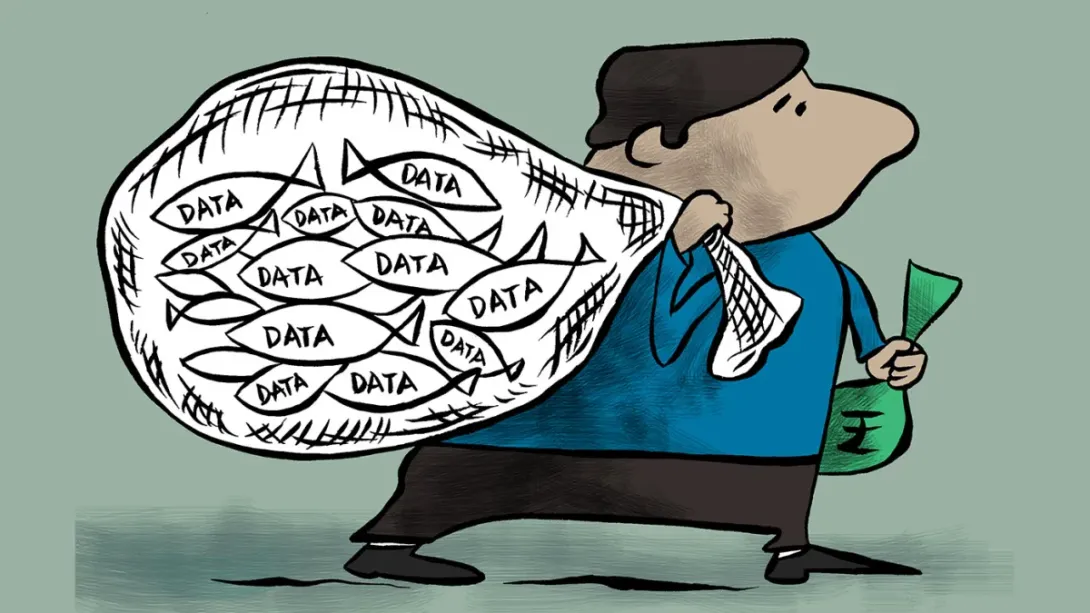
The Delhi High Court has sought a response from the Reserve Bank of India on allegations of data privacy violations by digital lending applications, bringing renewed scrutiny to the fast-growing fintech sector. The case highlights concerns over unauthorized data access, misuse of personal information and aggressive recovery practices allegedly employed by certain platforms. The court’s intervention underscores the regulatory challenges posed by digital finance and the need for stronger safeguards to protect consumers. The development comes amid rising adoption of app-based lending, prompting policymakers and regulators to reassess oversight mechanisms in a rapidly evolving digital ecosystem.
Court Intervention Raises Regulatory Questions
The Delhi High Court has asked the Reserve Bank of India to clarify its position on complaints alleging misuse of customer data by digital lending applications. The court’s observations reflect growing unease over how personal and financial data are collected, stored and shared by app-based lenders operating in India’s largely unbanked and underbanked segments.
Legal experts note that the court’s move could set an important precedent in defining accountability within the digital lending ecosystem.
Data Privacy at the Core of the Case
At the heart of the matter are allegations that certain lending apps accessed contacts, images and other sensitive data without adequate consent, raising serious privacy concerns. Petitioners argued that such practices violate fundamental rights and expose borrowers to harassment and reputational harm.
The case has drawn attention to gaps in enforcement, despite existing guidelines issued by the RBI on digital lending conduct, data storage and customer consent.
RBI’s Role and Regulatory Oversight
The Reserve Bank of India has, in recent years, issued multiple directives aimed at tightening supervision of digital lending platforms, including requirements for transparency, data localization and fair recovery practices. However, the court’s query suggests that implementation and monitoring remain areas of concern.
Analysts believe the RBI may be compelled to clarify enforcement mechanisms or consider additional safeguards to ensure compliance across regulated and unregulated entities.
Implications for the Fintech Industry
The proceedings are being closely watched by fintech companies, investors and consumer advocacy groups. Increased judicial scrutiny could lead to stricter compliance costs and operational changes for digital lenders, particularly those relying heavily on data-driven credit assessment models.
At the same time, clearer rules could strengthen consumer trust and support sustainable growth in the digital lending market.
Outlook: Toward Stronger Consumer Protection
As digital finance becomes more embedded in everyday life, the balance between innovation and consumer protection is increasingly critical. The Delhi High Court’s engagement with the issue signals that data privacy will remain a central pillar of regulatory discourse.
Comments