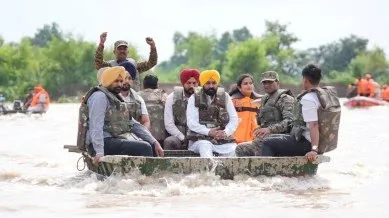
Punjab’s ongoing flood relief operations face severe disruption due to a critical shortage of functional engines for rescue boats. While the state government has procured 257 boats, only 114 are operational, leaving nearly half the fleet idle. This bottleneck is significantly slowing rescue and relief efforts in flood-affected districts, affecting timely aid delivery to vulnerable populations. Authorities are scrambling to mobilize additional resources, but the gap highlights systemic challenges in disaster preparedness and logistical planning. The situation underscores the urgent need for strategic inventory management, procurement efficiency, and robust operational readiness to mitigate the human and economic toll of natural disasters.
Flood Relief Efforts Under Strain
Punjab, a state grappling with unprecedented flooding in several districts, is facing operational setbacks in its rescue and relief initiatives. Despite having 257 government-issued boats designated for flood management, only 114 are currently functional due to a shortage of engines. This limitation has reduced the efficiency of rescue teams and hampered the distribution of essential supplies to stranded communities. Officials report that the imbalance between the number of boats and operational engines has created logistical bottlenecks, slowing down critical interventions and prolonging distress for affected populations.
Operational Challenges and Immediate Impact
The engine deficit has had tangible consequences on the ground. Rescue teams are forced to prioritize areas based on accessibility rather than urgency, leaving some flood-hit villages underserved. Relief distribution schedules have been delayed, and response times in emergency evacuations have increased. Local authorities highlight that the mismatch between available assets and operational readiness underscores systemic gaps in disaster preparedness, including the procurement and maintenance of critical equipment.
Administrative Response and Strategic Measures
In response, the Punjab government is exploring interim solutions, including sourcing additional engines and deploying private and auxiliary resources to augment the operational fleet. Discussions are underway to streamline inventory management, ensure timely maintenance of existing boats, and improve coordination among state, district, and local agencies. Officials emphasize that a structured approach to equipment readiness is essential to meet the immediate flood relief requirements and to strengthen resilience against future natural calamities.
Lessons in Disaster Preparedness
The current scenario serves as a stark reminder of the importance of integrating logistical foresight into disaster management frameworks. Simply having resources on paper is insufficient; operational functionality is equally crucial. Policymakers and disaster response agencies must focus on comprehensive audits, maintenance schedules, and proactive contingency planning to avoid operational bottlenecks in high-stakes emergencies. Strategic investments in infrastructure, coupled with real-time monitoring of resource availability, can significantly improve the efficiency of relief operations and mitigate the human and economic impact of floods.
Conclusion
Punjab’s flood relief operations, hampered by a shortage of boat engines, highlight the critical need for operational preparedness and efficient resource management. Bridging the gap between equipment availability and functionality is essential not only for the current crisis but also for building a resilient disaster response framework that can withstand future challenges.
Comments