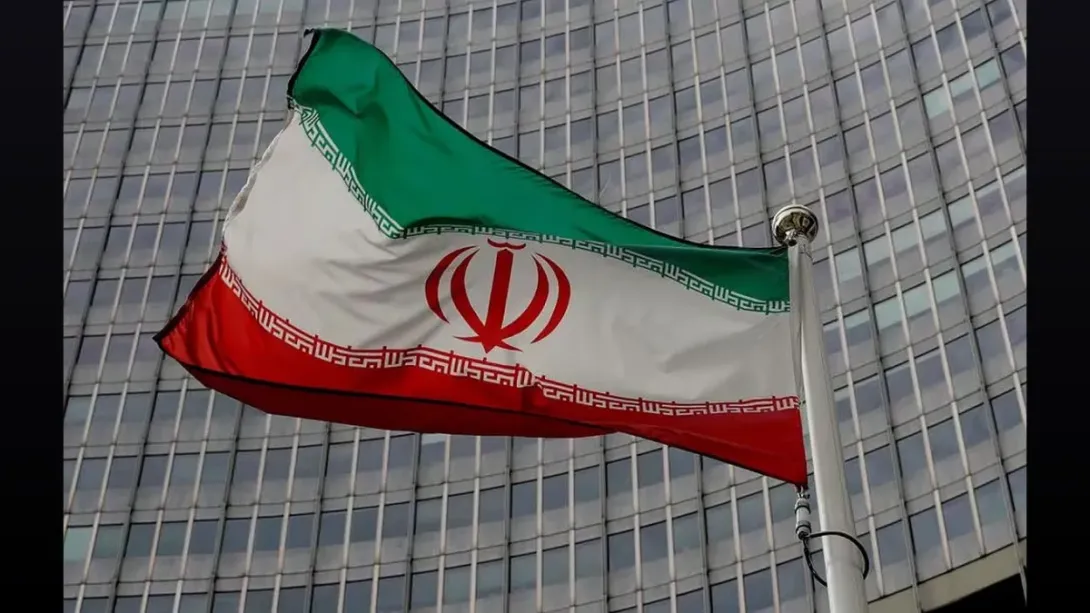
Approximately 1,00,000 tonnes of basmati rice bound for Iran remain immobilized at key Indian ports as the Israel-Iran conflict escalates, severely disrupting shipping and insurance operations in the region. With Iran accounting for nearly one-fifth of India’s basmati exports, the suspension of cargo movements has triggered both economic anxiety among exporters and a notable decline in domestic rice prices. As Indian authorities and trade bodies scramble for solutions, this crisis underscores how deeply global geopolitics can ripple through commodity supply chains and threaten one of India's most lucrative agricultural export sectors.
A Geopolitical Gridlock Hits Indian Rice Exports
India’s basmati rice exporters are grappling with a major disruption as geopolitical instability in the Middle East has stalled critical shipments destined for Iran. According to the All India Rice Exporters Association (AIREA), close to 1,00,000 tonnes of basmati rice—earmarked for Iran—are currently stuck at Indian ports, particularly at Kandla and Mundra in Gujarat.
The reason: heightened tensions between Israel and Iran have paralyzed maritime logistics. Exporters are unable to secure vessels or obtain insurance coverage for Iran-bound shipments, as standard marine insurance policies exclude protection against active international conflicts.
The Economic Stakes: India-Iran Trade Under Pressure
Iran represents the second-largest overseas market for Indian basmati rice after Saudi Arabia, accounting for roughly 18% to 20% of India’s total basmati exports. In the fiscal year 2024–25, India exported approximately 1 million tonnes of basmati to Iran out of a total 6 million tonnes shipped globally.
This sudden halt in shipments could inflict significant financial losses on exporters. According to Satish Goyal, president of AIREA, the lack of forward movement has not only frozen revenue streams but also driven down domestic basmati prices by Rs. 4 to Rs. 5 per kg due to oversupply and weakened demand.
The situation is particularly acute for small- and mid-sized exporters who operate on thin margins and rely on timely deliveries to maintain liquidity.
Port Congestion and Payment Risks Compound the Crisis
While the ports of Kandla and Mundra are the immediate bottlenecks, the broader concern is the long-term reliability of Iran as a trading partner, especially in light of existing sanctions and previous payment delays. The current standstill exacerbates earlier challenges Indian exporters faced with the Iranian market, such as currency exchange issues and slow remittance cycles.
With shipments stalled indefinitely and no clear end to hostilities in sight, exporters are left exposed not only to logistical uncertainty but also to heightened financial risk.
Government Intervention and Diplomatic Channels
In response to the crisis, AIREA has initiated consultations with the Agricultural and Processed Food Products Export Development Authority (APEDA), seeking governmental support and potential risk mitigation measures. A meeting with Union Commerce and Industry Minister Piyush Goyal has been scheduled for June 30 to address the crisis at a policy level.
Discussions are likely to center on alternative routes, temporary financial relief, and possibly even diplomatic engagement to reopen the shipping corridor. However, such measures are inherently constrained by the volatile security situation in the Middle East and international insurance norms.
The Larger Implications for Agri-Trade
This disruption serves as a sobering reminder of the fragility of agri-trade in conflict-prone regions. For India—one of the world’s largest rice exporters—the incident underscores the need for diversified market strategies and better contingency planning in export logistics.
Moreover, the episode highlights the critical role of political risk insurance, an area where Indian exporters may need to explore advanced hedging solutions or engage with export credit agencies for more robust coverage frameworks.
Conclusion: A Crisis Beyond Commodities
While basmati rice may seem far removed from geopolitics, this crisis reveals the extent to which international relations can affect even the most routine aspects of trade. For Indian exporters, the stranded consignments are more than a logistical inconvenience—they are a test of resilience, risk management, and adaptive strategy in an increasingly unpredictable global economy.
The coming weeks will be crucial, not only for the resumption of shipments but also for shaping a long-term response to the intersection of trade, diplomacy, and security.
Comments