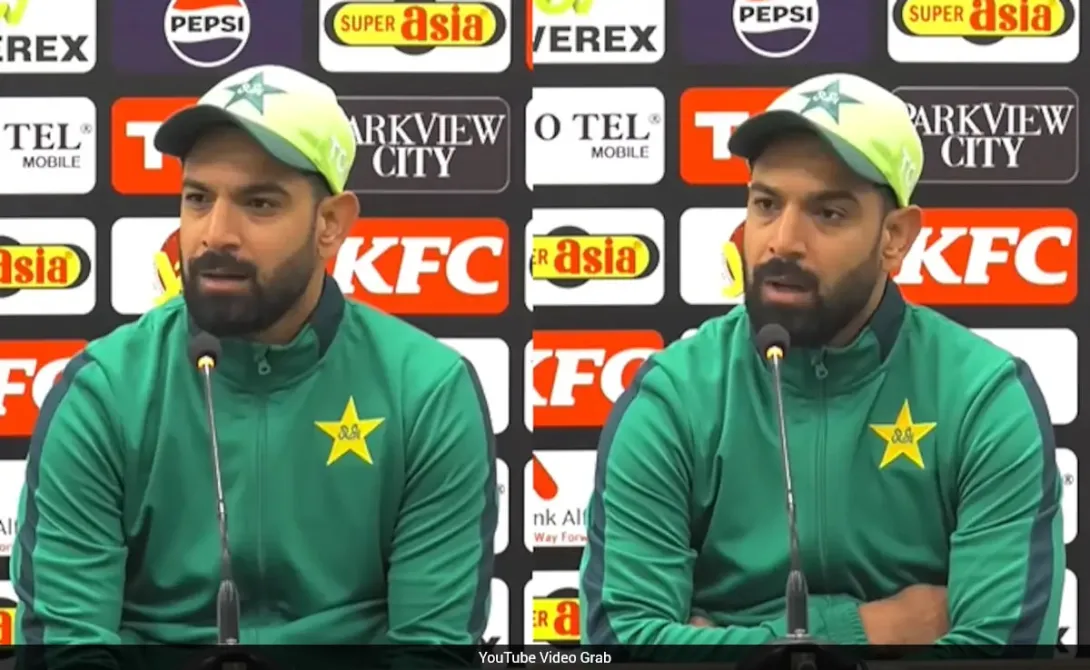
Pakistan’s fiery fast bowler Haris Rauf has once again found himself in the spotlight, this time for his candid remarks during a post-match press conference. In an emotionally charged statement, Rauf expressed frustration over the intense criticism faced by Pakistani cricketers, lamenting that players “receive no forgiveness” for their mistakes. His outburst sheds light on the mental and emotional toll of representing a cricket-obsessed nation where expectations often outweigh empathy. Rauf’s remarks have sparked widespread debate, exposing the fragile balance between professional accountability and the overwhelming burden of public scrutiny that elite athletes endure.
---
A Moment of Raw Honesty
Following Pakistan’s recent performance slump, Haris Rauf addressed the media with visible emotion, defending himself and his teammates against relentless criticism. “Humaray liye koi maafi nahi hoti,” Rauf remarked, meaning, “There is no forgiveness for us.” His words resonated deeply with fans and players alike, revealing the immense psychological strain cricketers face when results don’t align with national expectations.
The pacer’s statement wasn’t merely an outburst—it was a reflection of growing frustration within Pakistan’s dressing room. Continuous online trolling, harsh commentary from former players, and unrelenting fan expectations have created an environment where a single poor performance can overshadow years of consistent effort.
---
The Pressure Cooker of Pakistani Cricket
Cricket in Pakistan is more than just a sport; it is an emotional institution woven into the national identity. Every victory is celebrated like a festival, while every defeat triggers collective disappointment and, often, public outrage. Players like Rauf, who carry the hopes of millions, are acutely aware of this dynamic.
However, the weight of such expectations can become unbearable. Sources close to the team indicate that several players have been struggling with the psychological burden of online criticism and personal attacks following recent tournaments. Rauf’s emotional remarks, therefore, appear to be less of a defense and more of a cry for understanding — a reminder that even world-class athletes remain human beneath the jersey.
---
Rauf’s Performance and Public Perception
Once hailed as one of Pakistan’s most promising fast bowlers, Haris Rauf’s career has seen both meteoric highs and difficult lows. Known for his pace, aggression, and fighting spirit, Rauf has delivered memorable spells in both domestic leagues and international fixtures. Yet, recent matches have seen him targeted for expensive bowling figures and inconsistent form.
Despite his undeniable talent, social media platforms have amplified criticism of his performance. Analysts argue that this hyper-scrutiny often disregards the broader challenges bowlers face in high-pressure, format-heavy cricket calendars. “Cricketers today are playing nonstop — fatigue, form dips, and mental burnout are inevitable,” noted one sports psychologist familiar with professional athletes’ mental conditioning.
Rauf’s frustration, in this light, seems rooted not just in personal defense but in a broader concern for player welfare.
---
The Larger Conversation: Mental Health in Cricket
Haris Rauf’s statement inadvertently reignited the discussion around mental health in professional sports — a topic gaining overdue recognition. From Australian opener Glenn Maxwell to England’s Ben Stokes, several international cricketers have openly spoken about their battles with mental exhaustion and the pressures of constant performance.
In Pakistan, however, the culture surrounding mental well-being in sports remains nascent. Players are often expected to display stoic resilience, even under extreme emotional strain. Rauf’s open frustration signals a shift, however uncomfortable, towards acknowledging that mental health is as crucial to success as technical skill or physical fitness.
His words may now inspire greater institutional support within the Pakistan Cricket Board (PCB), which has previously been criticized for its limited focus on psychological assistance for players dealing with pressure and public criticism.
---
Public Reaction: Sympathy and Polarization
The public response to Rauf’s remarks has been sharply divided. While many fans and former cricketers sympathized with his emotional honesty, others accused him of lacking professionalism and accountability. Some argued that representing Pakistan comes with inevitable pressure, while others felt the player’s statement was a rare and necessary display of truth.
Former captain Shahid Afridi reportedly urged younger players to “channel their frustration into performance rather than emotion,” while commentators highlighted that the media and fans share responsibility in maintaining healthy boundaries when criticizing athletes.
The discussion on sports accountability versus compassion continues to deepen — a sign that Rauf’s words have sparked something larger than a single controversy.
---
Balancing Accountability with Empathy
Elite athletes exist in a paradox — celebrated for their success, vilified for their failures. In Pakistan, where cricket emotions run high, players like Haris Rauf often become symbols of national pride and disappointment simultaneously. His statement, while raw, underscores an important truth: the need for balance between holding players accountable and recognizing their humanity.
As the PCB prepares for future tournaments, it may be time to introduce structured psychological support systems and media training for its players. Emotional resilience, after all, is as vital as technical refinement in modern-day cricket.
---
Conclusion: A Wake-Up Call Beyond the Field
Haris Rauf’s emotional press conference was more than just an expression of frustration — it was an unfiltered glimpse into the unseen battles athletes fight behind the scenes. His words, “Humaray liye koi maafi nahi hoti,” serve as a poignant reminder that in the race for glory, empathy must not be forgotten.
The episode compels fans, analysts, and institutions alike to reflect on how the culture of criticism shapes the psyche of national athletes. Cricket, like all sports, thrives on passion — but it must also learn to coexist with compassion. Haris Rauf’s moment of honesty may well be the catalyst for that much-needed change.
Comments