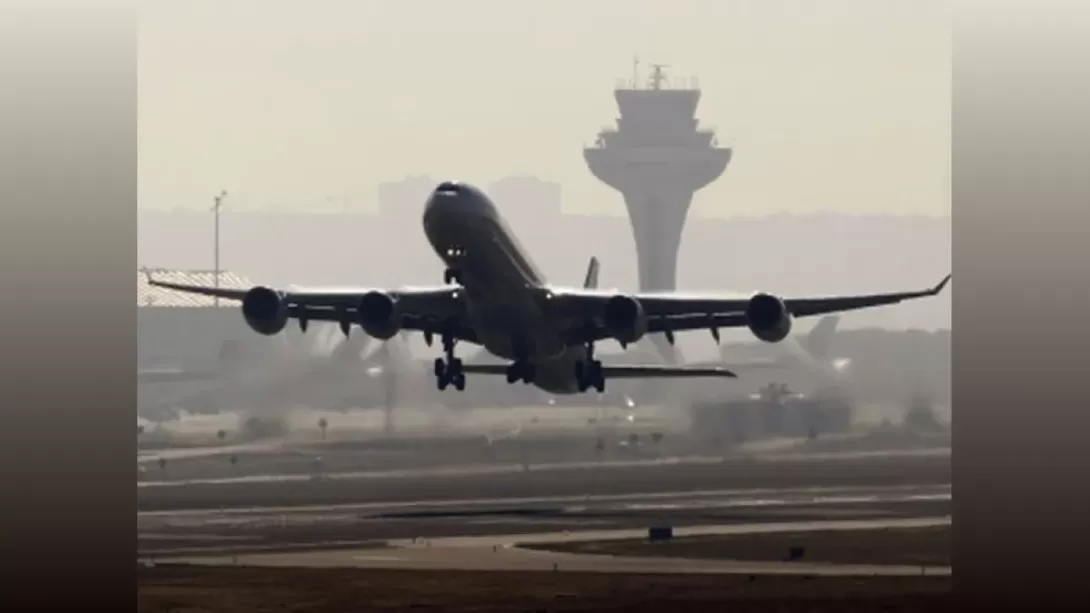
Following the fatal crash of Air India Flight AI-171 in Ahmedabad, the national carrier is experiencing a sharp drop in passenger bookings across both domestic and international routes. Industry leaders report a 15–20% decline in demand alongside a corresponding 8–15% drop in ticket prices. Tour operators cite heightened cancellation rates among business and premium leisure travelers, though experts suggest the disruption may be temporary as consumer confidence gradually returns. Meanwhile, competitors in the aviation sector are responding with fare adjustments, and safety concerns have sparked broader conversations around aircraft maintenance and operational transparency.
Immediate Fallout from the Crash
The aviation industry in India was shaken on June 12 when a London-bound Air India Boeing 787-8 Dreamliner, Flight AI-171, crashed shortly after takeoff from Ahmedabad. The devastating accident claimed the lives of nearly all 242 people onboard, along with 29 others on the ground, as the aircraft struck a medical facility in the city’s Meghaninagar district.
In the immediate aftermath, Air India witnessed a notable drop in customer bookings. According to Ravi Gosain, President of the Indian Association of Tour Operators (IATO), the airline’s international bookings fell by approximately 18–22%, while domestic demand declined by about 10–12%. These figures reflect traveler apprehension following high-profile air incidents, which typically trigger short-term sentiment-driven disruptions.
Decline in Fares and Rise in Cancellations
As demand contracted, Air India adjusted its pricing strategy to maintain occupancy across routes. Fare reductions have averaged 8–12% domestically, particularly on routes where the airline competes with low-cost carriers like IndiGo and Akasa Air. On international routes—particularly to Europe and Southeast Asia—ticket prices have dropped by 10–15%, depending on seat load factors and route competition.
“These fare adjustments are partly promotional and partly corrective,” Gosain explained. “Airlines often adopt yield management strategies in response to fluctuations in demand.”
The booking slump was accompanied by a surge in cancellations. Corporate clients and high-end leisure travelers, typically risk-averse segments, are opting for alternative carriers. Cancellations for international travel rose by 15–18%, while domestic cancellations increased by 8–10% over the past week. Despite these shifts, Gosain emphasized that no systemic safety issue has been identified, and regulatory agencies including the Directorate General of Civil Aviation (DGCA) have reaffirmed Air India’s adherence to global safety standards.
Broader Industry Reactions and Competitive Landscape
The Federation of Associations in Indian Tourism & Hospitality (FAITH) echoed similar concerns. General Secretary Rajiv Mehra confirmed a 15–20% decline in Air India bookings and noted fare drops of approximately 10% across routes where competition is most intense.
“Passengers are increasingly price-sensitive and safety-conscious,” Mehra said. “This event should serve as a wake-up call for all airlines to double down on maintenance and safety protocols.”
In response to Air India’s pricing adjustments, rival carriers are also recalibrating fares to retain market share. The price-sensitive Indian aviation market has long been characterized by narrow margins, making sudden demand shocks particularly challenging to absorb without affecting profitability.
Outlook and Path to Recovery
While the recent crash has undoubtedly dented short-term sentiment, industry observers expect booking trends to stabilize. Historically, aviation demand tends to rebound after such incidents—provided that regulatory bodies ensure transparency and reaffirm airline compliance with safety standards.
Air India, which did not offer immediate comments on the situation, faces the task of rebuilding public trust at a critical time. The airline is undergoing a broad transformation under Tata Group ownership, with fleet modernization and service quality upgrades forming core elements of its revival strategy.
As the carrier navigates this reputational crisis, its future will hinge on how effectively it addresses consumer concerns while maintaining operational integrity. For now, the skies remain turbulent—but recovery, as past precedents suggest, may not be far off.
Comments