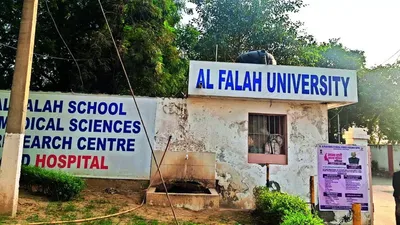
Al-Falah University has come under scrutiny for allegedly defrauding students of ₹415 crore, raising urgent concerns about the credibility of private educational institutions in India. The case underscores the importance of verifying an institute’s accreditation and understanding regulatory approvals before enrollment. Experts advise students and parents to examine official recognition from the University Grants Commission (UGC), AICTE, or other relevant statutory bodies and cross-check claims about affiliations, courses, and degrees. With rising cases of fake institutions, awareness and due diligence are essential to safeguard educational investments and career prospects, ensuring transparency and accountability in India’s higher education sector.
The Al-Falah University Controversy
The scandal involves allegations that Al-Falah University misled students regarding its courses, accreditations, and degree validity, cumulatively defrauding them of ₹415 crore. Authorities are investigating the university’s management and financial practices to determine the extent of the alleged fraud and ensure legal action against the perpetrators.
Importance of Accreditation Verification
Accreditation from statutory authorities such as UGC, AICTE, or relevant professional councils is a key indicator of an institute’s legitimacy. Students should:
- Verify official recognition on government portals.
- Check for valid affiliation with recognized universities.
- Review course approvals and curriculum adherence to statutory norms.
Spotting Red Flags in Educational Claims
Indicators of potentially fake institutions include:
- Unrealistic promises of high placements or salaries.
- Ambiguous or unverifiable affiliations.
- Lack of transparency in fees and regulatory approvals.
- Pressure tactics for immediate enrollment.
Safeguarding Students’ Interests
Experts recommend that students and parents maintain due diligence, seeking guidance from official education portals, cross-verifying claims, and consulting alumni networks. Awareness campaigns and timely reporting of irregularities can prevent financial and academic losses.
Broader Implications for Higher Education
The Al-Falah case highlights systemic vulnerabilities in India’s private education sector. It underscores the need for stricter regulatory oversight, mandatory disclosure of accreditation, and increased accountability for institutions, ultimately ensuring the credibility and safety of higher education investments.
Comments