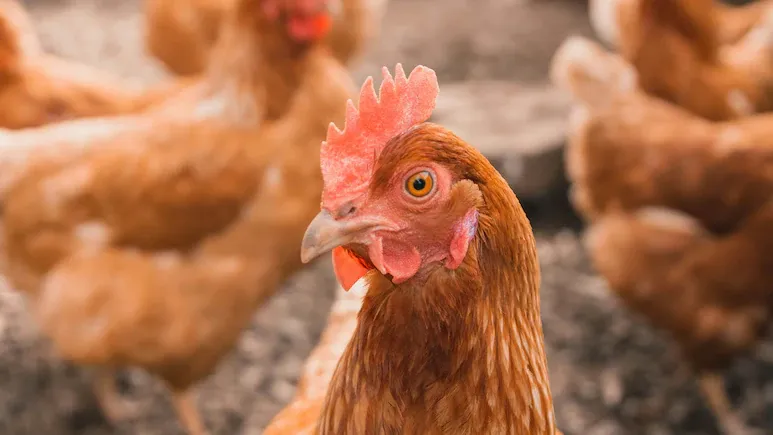
Health authorities worldwide are monitoring a resurgence of avian influenza, raising concerns about potential pandemic risks. Recent outbreaks in poultry and wild bird populations across multiple countries have prompted heightened biosecurity measures and surveillance protocols. Experts emphasize that while human infections remain rare, the virus’s high mutation rate and zoonotic potential necessitate vigilance. Governments and international agencies are coordinating early detection, vaccination strategies for poultry, and public awareness campaigns to mitigate economic and public health impacts. This resurgence underscores the delicate balance between animal health, human safety, and global preparedness in managing infectious disease threats.
Current Outbreak Overview
Recent reports indicate a spike in highly pathogenic avian influenza (HPAI) cases among domestic and wild birds in regions across Asia, Europe, and Africa. Poultry farms have implemented containment measures including culling, quarantine, and strict movement controls.
Wild bird monitoring has also intensified, as migratory patterns can contribute to cross-border virus transmission. The rapid detection of infected flocks highlights the importance of robust surveillance infrastructure in preventing widespread outbreaks.
Human Health Implications
Though human infections are infrequent, sporadic cases of avian influenza in people have been documented, typically linked to close contact with infected birds. Health agencies are closely monitoring potential mutations that could increase transmissibility among humans, emphasizing early warning systems and preparedness plans.
Healthcare facilities are advised to remain alert for flu-like symptoms among individuals exposed to birds, and diagnostic laboratories are conducting genomic sequencing to track viral evolution.
Economic and Agricultural Impact
Avian influenza outbreaks can devastate poultry industries, leading to significant economic losses. Trade restrictions, culling programs, and consumer hesitancy can disrupt supply chains and increase prices for eggs and meat. Governments are providing financial support to affected farmers while enforcing strict safety regulations to limit viral spread.
The ongoing outbreaks highlight the need for integrated One Health approaches that consider animal, human, and environmental health to minimize both economic and public health risks.
Preparedness and Global Response
International organizations such as the World Health Organization (WHO) and the Food and Agriculture Organization (FAO) are coordinating global responses, including surveillance, data sharing, and development of rapid response protocols. Vaccination strategies for poultry are being evaluated in high-risk areas, and public awareness campaigns emphasize proper hygiene, cooking practices, and reporting of sick or dead birds.
Comments