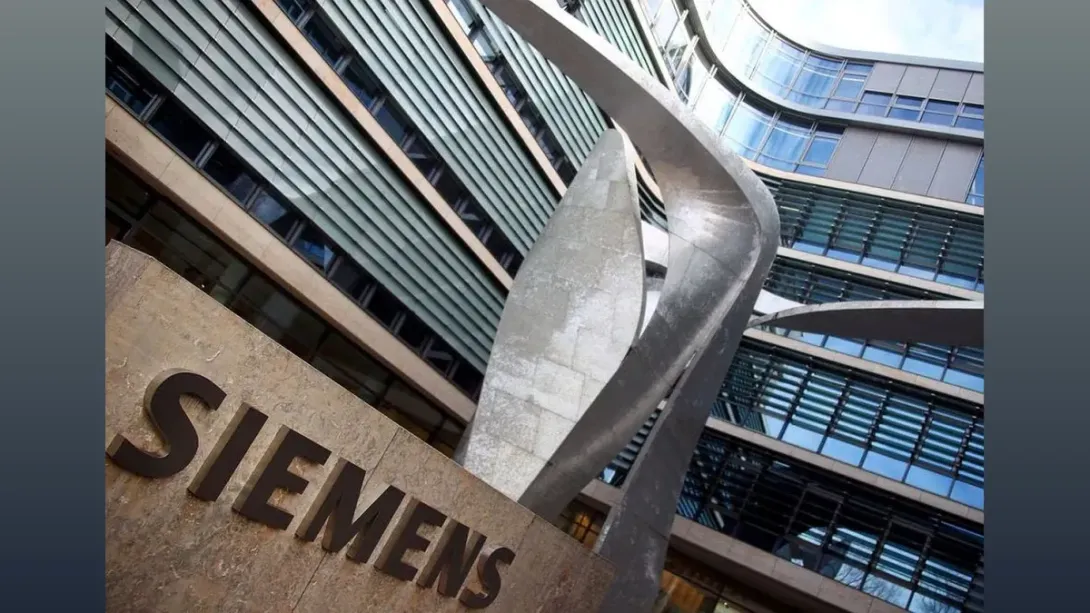
India’s Competition Commission has granted approval for private equity giant TPG to acquire a significant stake in the Indian operations of Siemens Gamesa Renewable Energy. This green light marks a critical milestone in TPG’s strategy to deepen its footprint in the country’s rapidly growing renewable energy sector. The deal underscores the increasing appeal of India’s clean energy landscape to global investors seeking long-term growth avenues amid the global pivot toward sustainability. With regulatory clearance now in place, industry observers expect the transaction to accelerate technological advancements, bolster manufacturing capabilities, and stimulate broader investments in wind energy projects across India.
---
Strategic Expansion into India’s Green Energy Market
The CCI’s nod to TPG’s proposed stake acquisition in Siemens Gamesa’s Indian unit signifies more than just a routine regulatory clearance — it is a signal of the robust momentum building in India’s clean energy segment. As New Delhi aggressively pursues ambitious renewable targets, global investors are positioning themselves to capitalize on policy support, rising demand for sustainable power, and evolving supply chains.
TPG, known for its diversified investments across infrastructure and emerging markets, views India’s renewable push as a compelling opportunity. By partnering with Siemens Gamesa, a well-established player in wind turbine manufacturing and EPC services, TPG gains a direct route into one of the most promising verticals within India’s energy transition narrative.
---
Deal Dynamics and Potential Economic Impact
While precise transaction values remain confidential, industry insiders estimate that the deal involves an infusion running into hundreds of crores of rupees, potentially crossing Rs. 1,000 crore depending on final structuring and ancillary commitments. Such capital flows are likely to reinforce Siemens Gamesa India’s balance sheet, enabling it to scale operations, expand local manufacturing capacities, and sharpen technological competitiveness.
Beyond immediate balance sheet strengthening, the partnership is also poised to trigger ancillary economic benefits. It may encourage more local sourcing of components, drive employment in manufacturing hubs, and enhance skill development in advanced turbine technologies, aligning well with the government’s Make in India vision.
---
A Broader Vote of Confidence in India’s Renewables Story
This acquisition is emblematic of a wider trend: global financial powerhouses are actively chasing exposure to India’s renewable infrastructure assets, betting on steady demand growth and supportive regulatory regimes. With India targeting 500 gigawatts of non-fossil capacity by 2030, capital deployment in wind, solar, and hybrid projects is set to accelerate.
For Siemens Gamesa, the transaction not only brings fresh financial muscle but also access to TPG’s strategic guidance and network, which could facilitate downstream collaborations and project pipeline expansion. Analysts note that such partnerships are crucial in an increasingly competitive market where technology differentiation and operational efficiencies are key to maintaining margins.
---
Future Outlook: Strengthening the Clean Energy Ecosystem
Looking ahead, the CCI’s swift approval may pave the way for similar transactions in the sector, as foreign funds and strategic investors scout for credible local partners. It also reinforces the notion that India remains an attractive destination for patient capital seeking resilient, long-duration returns tied to global decarbonization goals.
Market experts anticipate that TPG’s involvement could help Siemens Gamesa accelerate digitalization initiatives, integrate predictive maintenance systems, and even explore export opportunities from its Indian manufacturing base. Collectively, these developments are likely to add fresh impetus to India’s quest for energy security and environmental stewardship.
Comments