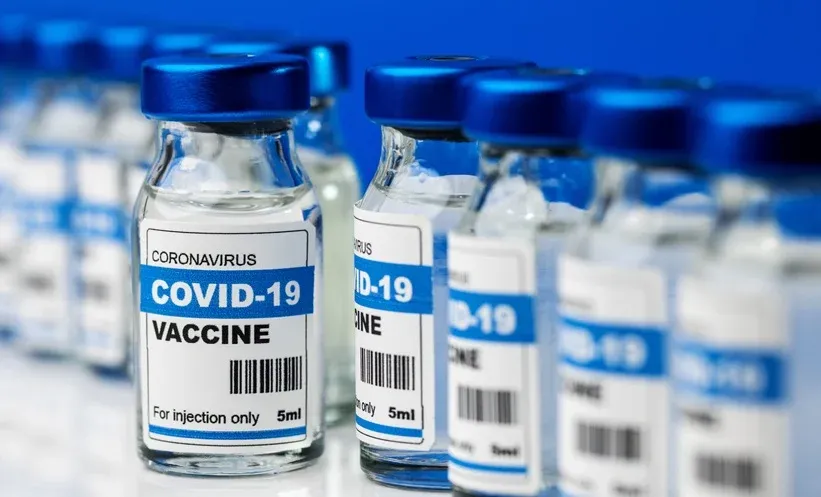
Recent studies highlight the interplay between COVID-19 vaccination and maternal health outcomes, particularly regarding preeclampsia—a hypertensive disorder that poses significant risks during pregnancy. Evidence indicates that vaccinated pregnant individuals exhibit lower rates of severe COVID-19 complications, which may indirectly reduce the incidence or severity of preeclampsia. Public health experts emphasize timely vaccination, close monitoring of blood pressure, and early prenatal interventions to mitigate risks. While vaccination is not a substitute for standard prenatal care, integrating immunization strategies with maternal health protocols enhances protection for both mother and child. These findings reinforce the importance of vaccine access and awareness in safeguarding pregnancy outcomes.
Understanding Preeclampsia in Pregnancy
Preeclampsia is a pregnancy-specific disorder characterized by elevated blood pressure and potential organ dysfunction, typically emerging after 20 weeks of gestation. It can result in complications such as placental insufficiency, preterm birth, and maternal cardiovascular strain.
Medical professionals underscore the importance of routine prenatal monitoring, early detection of hypertensive trends, and timely intervention to prevent progression to eclampsia—a life-threatening condition.
COVID-19 Vaccination and Maternal Outcomes
Research indicates that COVID-19 vaccination during pregnancy significantly reduces the risk of severe infection, hospitalization, and maternal morbidity. By limiting viral complications, vaccination indirectly supports cardiovascular stability and may mitigate triggers associated with preeclampsia.
Pregnant individuals are encouraged to consult healthcare providers regarding vaccine timing, especially during the second and third trimesters, when preeclampsia risk is heightened. Data suggest that vaccination does not increase adverse pregnancy outcomes, providing reassurance regarding maternal and fetal safety.
Integrated Prenatal Care Strategies
Effective maternal care involves a combination of preventive vaccination, routine blood pressure monitoring, lifestyle management, and individualized medical oversight. Clinicians recommend:
- Regular antenatal visits with blood pressure assessments.
- Screening for proteinuria and other biomarkers of preeclampsia.
- Timely COVID-19 vaccination and booster doses as appropriate.
- Education on warning signs such as persistent headaches, visual disturbances, and swelling.
These integrated strategies optimize both immunological protection and maternal cardiovascular health.
Public Health Implications
Ensuring access to COVID-19 vaccination for pregnant populations is a critical public health priority. Vaccination campaigns, coupled with awareness initiatives about hypertensive disorders in pregnancy, can reduce maternal and neonatal morbidity and mortality.
Healthcare systems are encouraged to provide culturally sensitive guidance, facilitate vaccine availability at prenatal clinics, and reinforce the importance of ongoing maternal health monitoring.
Outlook: Safeguarding Maternal and Fetal Health
Emerging evidence supports the dual benefits of COVID-19 vaccination and proactive preeclampsia management in enhancing pregnancy outcomes. By combining immunization strategies with vigilant prenatal care, healthcare providers can mitigate risks associated with infectious disease and hypertensive complications.
As research continues, integrating vaccination into maternal health protocols promises to strengthen public health resilience, improve maternal-fetal safety, and inform evidence-based guidance for healthcare practitioners and expectant mothers alike.
Comments