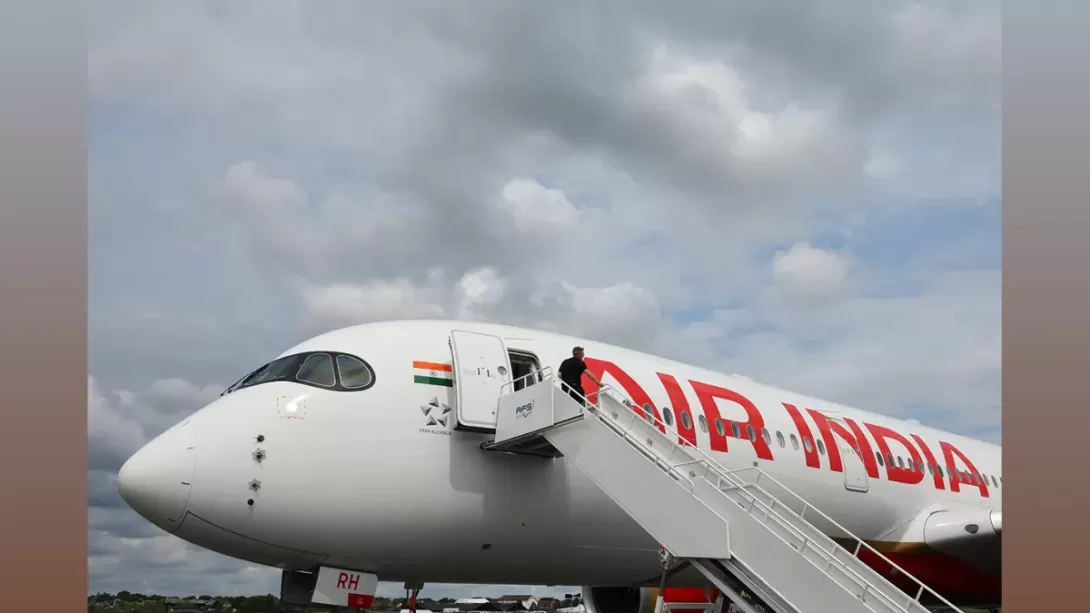
India’s aviation regulator, the Directorate General of Civil Aviation (DGCA), has directed Air India to relieve three senior executives — including a divisional vice president — from all duties related to crew scheduling and rostering. The directive, issued on June 20, 2025, stems from an ongoing investigation into violations of flight duty norms. The DGCA has also instructed the airline to initiate internal disciplinary proceedings against the individuals concerned. This development marks a significant step in the regulator’s efforts to tighten operational oversight and reinforce safety compliance across India’s rapidly expanding aviation sector.
Regulator Takes Stern Action Following Flight Duty Violations
In a decisive move signaling its zero-tolerance approach to safety protocol breaches, the DGCA has taken disciplinary action against three top officials of Air India. The decision comes in the wake of regulatory concerns over lapses in crew duty scheduling — a critical function that directly impacts flight safety and operational integrity.
The officials in question, including a divisional vice president, have been relieved of all responsibilities associated with crew rostering and scheduling, effective immediately. According to sources familiar with the matter, the DGCA’s directive follows an internal review which uncovered irregularities that may have contributed to violations of prescribed flight duty time limitations (FDTL).
Internal Accountability and Mandated Disciplinary Measures
In addition to the removal of these executives from crew management roles, the DGCA has mandated that Air India initiate internal disciplinary proceedings against them. The move is designed not only to enforce accountability but also to signal the regulator’s firm stance on ensuring compliance with civil aviation norms.
The directive, dated June 20, 2025, places the onus squarely on the airline’s senior management to conduct a transparent and time-bound investigation. This aligns with the DGCA’s broader agenda of driving a culture of proactive governance and adherence to international aviation safety standards.
Background: Growing Scrutiny of Operational Practices
The latest action follows a string of developments indicating intensifying scrutiny of Air India’s flight operations. In a previous incident, the airline had been issued a show-cause notice for operating long-haul flights that exceeded permitted crew duty hours. That episode raised questions over the adequacy of internal monitoring systems and compliance controls.
By targeting those directly responsible for crew deployment, the DGCA appears intent on plugging systemic weaknesses rather than merely penalizing procedural lapses. In a highly regulated and safety-critical industry, the integrity of rostering practices is paramount to maintaining crew alertness and ensuring passenger safety.
Implications for Air India and Industry-Wide Governance
This development comes at a crucial time for Air India, which is under the spotlight as it undergoes a transformation under the Tata Group’s leadership. The airline has been making strategic investments to modernize its fleet and enhance service delivery. However, such infractions may undermine investor confidence and consumer trust if not addressed with visible accountability and structural reforms.
Moreover, this move may prompt other Indian carriers to audit their own crew management frameworks, anticipating similar regulatory interventions. In a sector characterized by tight schedules and high operating pressure, it is essential that safety is never compromised for operational expediency.
Conclusion: A Regulatory Wake-Up Call for Indian Aviation
The DGCA’s action is not merely punitive — it is preventive. By demanding accountability at the highest levels of operational command, the regulator is sending a clear message: aviation safety is non-negotiable, and lapses will be met with swift and serious consequences.
For Air India, the task ahead lies in rebuilding internal trust, strengthening compliance mechanisms, and ensuring that those at the helm of flight operations embody the standards expected of a global airline in a rapidly evolving aviation landscape.
Comments