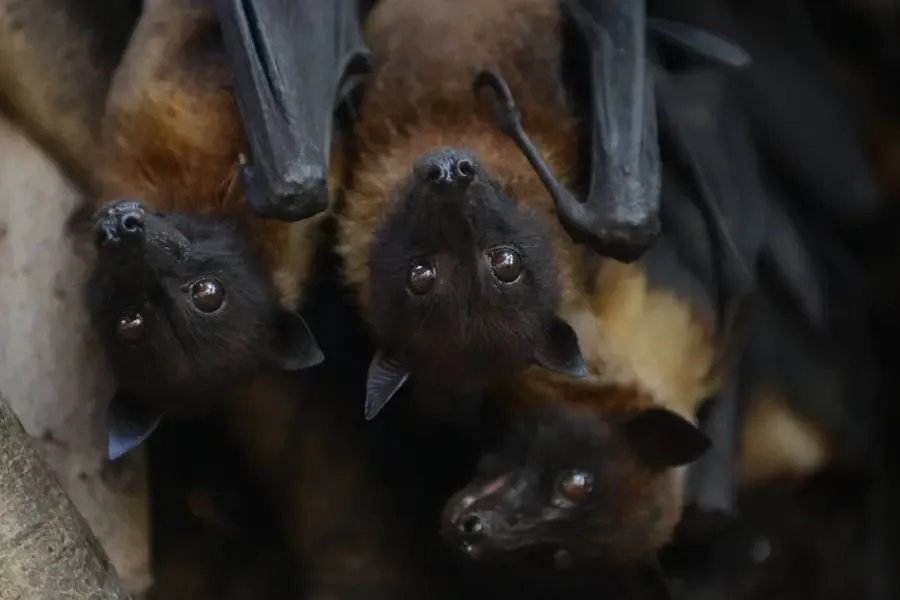
A man in his 50s from northern New South Wales has died after contracting the Australian bat lyssavirus (ABLV), a rare and fatal infection transmitted through bat bites or scratches. Despite receiving treatment following the incident several months ago, his condition deteriorated rapidly, marking the fourth human death from this virus since it was first identified in 1996. The health department has reaffirmed the severity of ABLV, which closely resembles rabies in its effects, and has renewed calls for the public to avoid direct contact with bats, citing the absence of an effective cure once symptoms begin.
Understanding Australian Bat Lyssavirus
Australian bat lyssavirus (ABLV) is an exceptionally rare but deadly zoonotic infection. A member of the Lyssavirus genus, ABLV is closely related to rabies, though Australia remains rabies-free. First discovered in May 1996 in a flying fox exhibiting neurological symptoms, ABLV has since been detected in various species of flying foxes and microbats across the country.
The virus is typically transmitted to humans when infected bat saliva enters the body through broken skin, usually via bites or scratches. Although incidence is rare—with only four known cases over nearly three decades—all have been fatal, underscoring the virus's lethality and the urgency of prompt medical action following exposure.
Timeline of the Latest Case
The deceased man, whose identity has not been disclosed, reportedly sustained the bat bite several months before his death. Though he sought treatment shortly after the incident, New South Wales Health has confirmed that his condition deteriorated recently, resulting in critical illness and eventual death. Investigations are underway to determine whether additional factors influenced the disease progression or the treatment response.
Health officials expressed condolences to the victim's family and reiterated that while infections are rare, the virus remains untreatable once clinical symptoms appear.
Symptoms and Disease Progression
ABLV infection typically follows an incubation period that can range from a few days to several years. Initial symptoms mimic those of influenza—fatigue, fever, and headaches. However, as the virus spreads through the nervous system, neurological symptoms begin to manifest, including:
- Muscle weakness or numbness
- Paralysis
- Delirium
- Convulsions
- Coma
Once these signs emerge, the disease becomes uniformly fatal. The absence of a curative therapy underscores the need for immediate prophylaxis after exposure.
Public Health Recommendations and Response Protocol
In response to this fatality, NSW Health has urged the public to avoid any interaction with bats, no matter how benign the animal may appear. The virus can be present in seemingly healthy bats, making any contact a potential risk.
Only trained, vaccinated wildlife professionals should handle or rescue bats. In the event of a bite or scratch, the following immediate actions are crucial:
- Wound Washing: Clean the affected area thoroughly with soap and water for a minimum of 15 minutes.
- Antiseptic Application: Use an antiseptic with proven antiviral properties.
- Medical Treatment: Seek emergency care for administration of rabies immunoglobulin and a full course of rabies vaccinations.
This preventive regimen, known as post-exposure prophylaxis (PEP), is currently the only available method to avert infection following exposure.
A History of Human Cases
Prior to this latest incident, there had been three documented human infections in Australia:
- 1996: A wildlife handler in Queensland contracted the virus, progressing from arm numbness to coma and death.
- 1998: A woman succumbed to ABLV following exposure.
- 2013: An eight-year-old boy died after being scratched by an infected bat.
Each case reinforces the pattern of fatal outcomes once clinical symptoms emerge.
Scientific Insights and Future Outlook
Research conducted by Australia’s national science agency, CSIRO, has identified subtle genetic differences between the lyssavirus strains carried by flying foxes and those in insectivorous microbats. These findings have implications for understanding transmission vectors and formulating public health responses.
According to Dr. James Gilkerson, an expert in infectious diseases at the University of Melbourne, the virus behaves almost identically to rabies in terms of pathogenesis and prognosis. He warned that without rapid PEP administration, survival chances are virtually nonexistent.
Conclusion
The death of a New South Wales man from ABLV is a sobering reminder of the dangers posed by zoonotic diseases, even in developed healthcare environments. While Australia’s wildlife remains a vital part of its biodiversity, human interaction with bats must be strictly regulated. Public awareness, swift medical intervention, and respect for wildlife protocols remain the cornerstones of prevention.
As health agencies renew their advisories, the broader lesson is clear: when it comes to infectious disease, especially those without cure, prevention is the most powerful tool we possess.
Comments