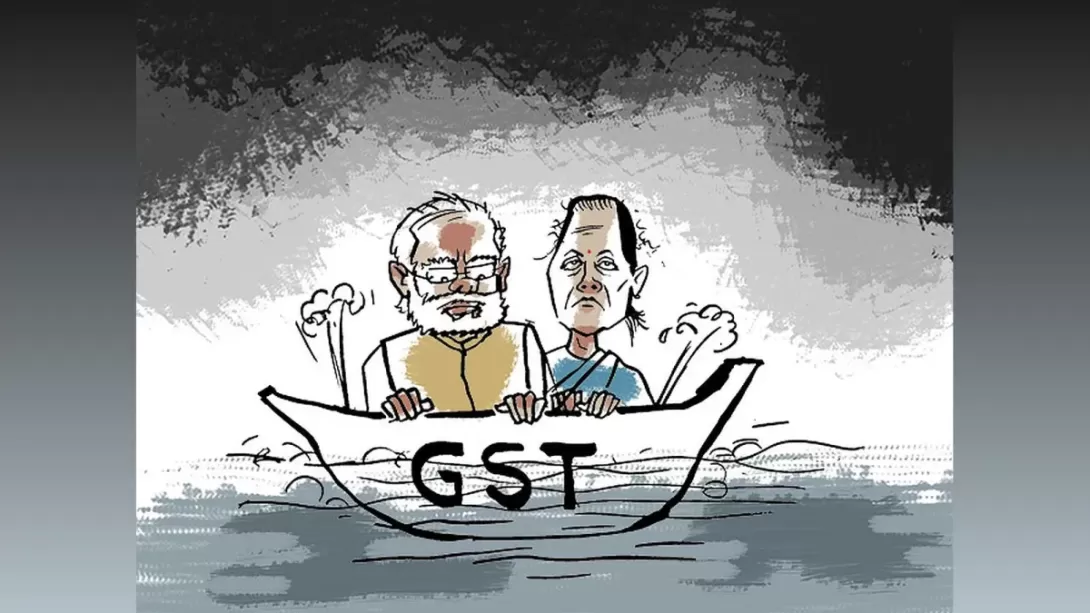
A significant input tax credit (ITC) fraud amounting to Rs. 7.85 crore has been uncovered by GST officials, involving a South Delhi-based Chartered Accountant. The individual was arrested and remanded to judicial custody. The fraud, which involved the misuse of over 80 GST Identification Numbers (GSTINs), was primarily linked to circular trading, with no actual supply of goods or services. Investigations are ongoing to identify all beneficiaries and uncover the full extent of the scheme, which has raised concerns about systemic abuses within the GST framework.
Large-Scale GST Fraud Uncovered in South Delhi
In a significant development, officials from the Goods and Services Tax (GST) department have uncovered a major fraud involving fraudulent Input Tax Credit (ITC) claims amounting to Rs. 7.85 crore. The fraud was orchestrated by a Chartered Accountant based in South Delhi, who was arrested following an investigation into the misuse of over 80 GST Identification Numbers (GSTINs).
The fraudulent activities were largely concentrated in the Palam and Dwarka areas, where a network of firms engaged in circular trading practices. This circular trading involved no genuine supply of goods or services, yet the involved parties falsely claimed input tax credits, which were subsequently used to reduce their tax liabilities.
Misuse of GSTINs and Circular Trading
The investigations revealed a complex web of fraud, with 31 GSTINs identified as being at the core of the fraudulent scheme. These GSTINs were tied to the Chartered Accountant’s contact information and email addresses. The misuse of these GSTINs led to substantial, yet illicit, input tax credit claims, further compounding the scale of the fraud. According to the finance ministry’s statement, the fraud was conducted under the guise of legitimate business transactions, although no actual supply of goods or services took place.
Authorities have conducted searches at 12 different premises associated with the fraudulent firms. These searches revealed that many of the businesses involved in the scam were non-existent, raising serious questions about the integrity of the GST filings handled by the arrested Chartered Accountant. Multiple electronic devices, which contained crucial information for the ongoing investigation, were seized during the raids.
Role of the Chartered Accountant and Systemic Abuse of GST Framework
The arrested Chartered Accountant played a central role in orchestrating the fraudulent claims. He was found to have full control over the GST filings for several taxpayers, who relied entirely on him for the submission of their returns. Several individuals admitted to allowing the accountant to manage their GST logins, enabling him to manipulate the filings and make fraudulent claims on their behalf. This highlights a systemic vulnerability in the GST framework, where credentials can be misused and impersonation can facilitate widespread fraud.
The ongoing investigation is aimed at uncovering the full extent of the fraudulent activities and identifying all parties who benefited from the ineligible input tax credits. According to the statement, investigations under the CGST Act, 2017, are continuing, with authorities aiming to trace all the individuals and firms that participated in or profited from the fraudulent transactions.
Broader Implications and the Need for Reform
This large-scale GST fraud not only highlights significant vulnerabilities within the GST framework but also underscores the potential for abuse of tax mechanisms by unscrupulous individuals. As the investigation unfolds, it is likely that more perpetrators and beneficiaries will be identified, leading to further scrutiny of the processes involved in GST filing and compliance.
Given the scale and sophistication of this fraud, it raises important questions about the robustness of the systems in place to prevent such abuses. Reform may be needed to strengthen oversight, improve the security of GSTIN credentials, and ensure that tax filings are subject to more stringent checks to prevent future fraud.
In conclusion, the unearthing of this ITC fraud, along with the arrest of a prominent Chartered Accountant, has shone a spotlight on the potential for misuse within the GST system. As the authorities continue their investigations, this case serves as a reminder of the importance of vigilance and oversight in maintaining the integrity of the tax system, ensuring that taxpayers’ resources are not diverted through fraudulent means.
Comments