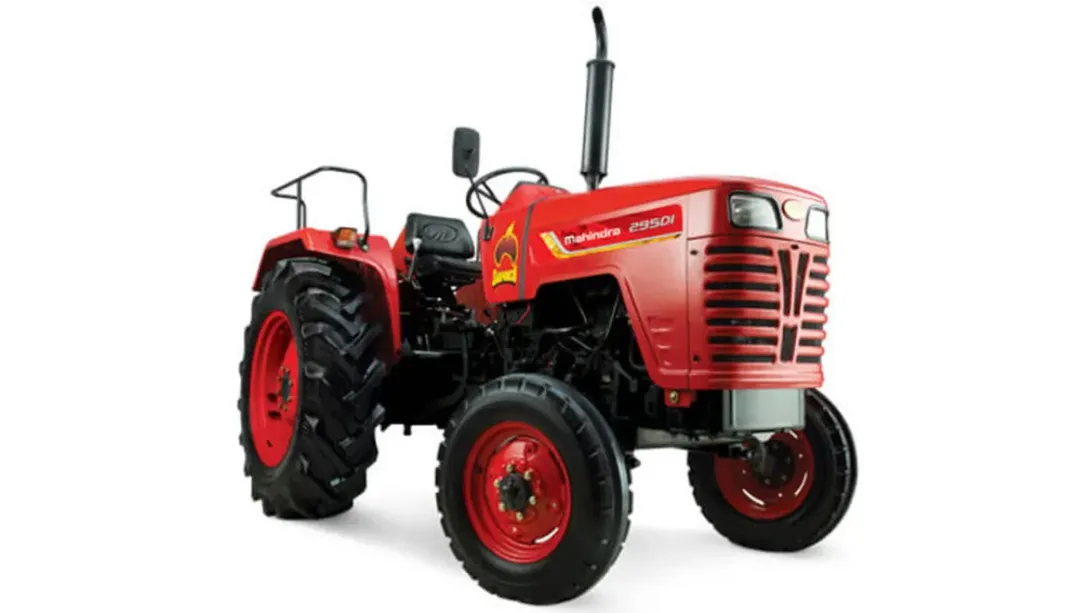
The government has announced Goods and Services Tax (GST) reductions on dairy products, farm equipment, and fertilizers, signaling a strategic move to support India’s agricultural sector. The tax cuts are expected to lower input costs for farmers, improve affordability of essential farm machinery, and enhance productivity in the dairy and agriculture value chains. Experts note that the initiative can strengthen rural incomes, stimulate consumption of agricultural products, and drive efficiency in farm operations. By reducing fiscal burden and encouraging investment in farm infrastructure, the measure aims to promote sustainable growth, strengthen food security, and boost India’s agri-export competitiveness.
---
Relief for Farmers
The GST reductions will directly decrease the cost of fertilizers and farm equipment, easing the financial burden on farmers. Improved access to affordable machinery and inputs is expected to increase crop yields, enhance efficiency, and support sustainable agricultural practices across India.
---
Impact on Dairy and Allied Sectors
Lower GST on dairy products and related equipment is anticipated to reduce production costs, improve profitability, and make dairy products more affordable for consumers. This is likely to stimulate demand, strengthen the dairy supply chain, and encourage investment in modern dairy infrastructure.
---
Economic and Rural Development Implications
Analysts suggest that reduced taxation can enhance rural incomes, boost spending capacity, and foster economic growth in agriculture-dependent regions. The policy aligns with broader goals of food security, rural empowerment, and investment in agri-technology adoption.
---
Outlook
The GST cuts are expected to catalyze growth in agriculture and allied sectors by lowering operational costs, promoting mechanization, and encouraging investment. With enhanced affordability and productivity, the initiative is poised to strengthen India’s position as a competitive and resilient agricultural economy.
Comments