The Gauhati Tea Auction Centre (GTAC) has reported a robust performance for the financial year 2024–25, registering both higher tea sales and a significant increase in average auction prices. Total volumes reached 169.13 million kilograms, with average prices climbing to Rs. 227.70 per kilogram—an impressive Rs. 44.50 per kilogram increase over the prior fiscal year. Bought Leaf Factories (BLFs), especially those in Assam’s Dhemaji district, also saw remarkable returns. With a turnover of approximately Rs. 3,851 crore and growing interest in premium, single-origin Assam teas, the GTAC's future outlook appears steeped in continued growth.
Sales Surge and Price Uplift Mark Strong Fiscal Performance
In a noteworthy rebound from the prior year, the Guwahati Tea Auction Centre recorded the sale of 169.13 million kilograms of tea in FY 2024–25, surpassing the previous year’s volume of 166.34 million kilograms. More impressively, the average price per kilogram surged from Rs. 183.20 to Rs. 227.70—a robust rise of Rs. 44.50. This upward trend in pricing reflects strengthened demand, improved leaf quality, and perhaps broader shifts in consumer preference toward premium Indian teas.
The result? A record-breaking turnover estimated at Rs. 3,851 crore for the fiscal year.
Bought Leaf Factories Reap Record Remuneration
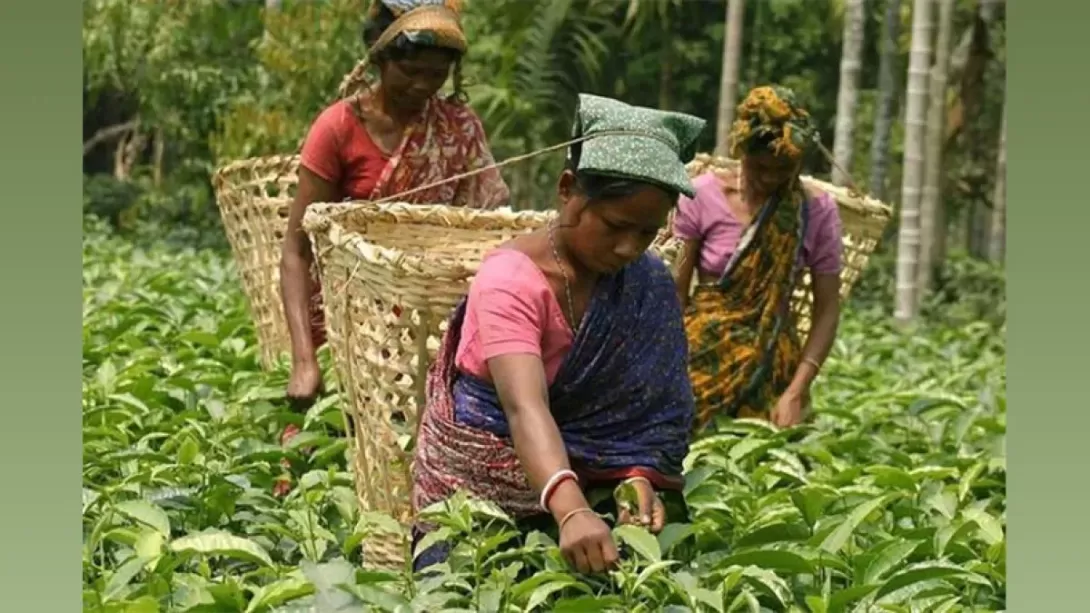
BLFs, often operating on thin margins, emerged as one of the biggest beneficiaries of the market surge. These factories, which process green leaves sourced from small growers, witnessed heightened price realization, suggesting increased market confidence in the quality of their produce.
Among the standouts were teas from Dhemaji district, which fetched the highest average prices across Assam during the fiscal. A line of Bejopathar teas even commanded Rs. 471 per kilogram, underscoring a market willing to reward quality with significant premiums.
This trend is not only encouraging for BLFs but also for thousands of small tea growers whose livelihoods depend on the pricing dynamics at auction centres.
Strategic Brand Building Through the GTAC Tea Lounge
Beyond the auction floor, GTAC has been actively investing in brand elevation and consumer outreach. Its in-house Tea Lounge, under the leadership of GTAC Tea Lounge Chairman Dinesh Bihani, has become a key venue for promoting single-origin Assam teas. This initiative has evolved into a high-visibility platform for both domestic and international visitors to experience the richness of Assam’s tea heritage firsthand.
The Tea Lounge itself recorded a turnover exceeding Rs. 1 crore in FY 2024–25, reflecting its growing popularity and commercial viability as a retail and promotional arm of the auction house.
This consumer-facing strategy enhances GTAC’s role—not just as a commodity auctioneer, but as a curator of premium, identity-linked Indian teas on the global stage.
Assam Tea’s Market Relevance and Global Potential
Assam continues to be a powerhouse in India’s tea economy, known for its strong, full-bodied teas that dominate domestic consumption and play a vital role in exports. The GTAC’s performance this fiscal reinforces Assam’s relevance in both price and volume metrics, particularly at a time when global buyers are diversifying sources for consistent quality.
While traditional export markets such as the UK, Russia, and the Middle East remain significant, there is increasing interest from newer markets that value authenticity, ethical sourcing, and unique terroir. GTAC’s focus on single-origin labeling and quality differentiation is a timely response to this evolving consumer trend.
Conclusion: A Steaming Success with Strategic Implications
The fiscal performance of the Guwahati Tea Auction Centre is not just a financial milestone; it is a testament to Assam’s enduring legacy and adaptive strength in the global tea trade. As auction prices rise and premium offerings gain recognition, GTAC appears well-positioned to become a model for other auction houses aiming to blend volume with value.
Looking ahead, continued focus on quality assurance, marketing of single-origin teas, and strategic partnerships with both domestic and international stakeholders will be key to sustaining this growth trajectory. For tea producers, exporters, and investors alike, Assam tea is brewing not just in cups—but in boardrooms and balance sheets.
Comments