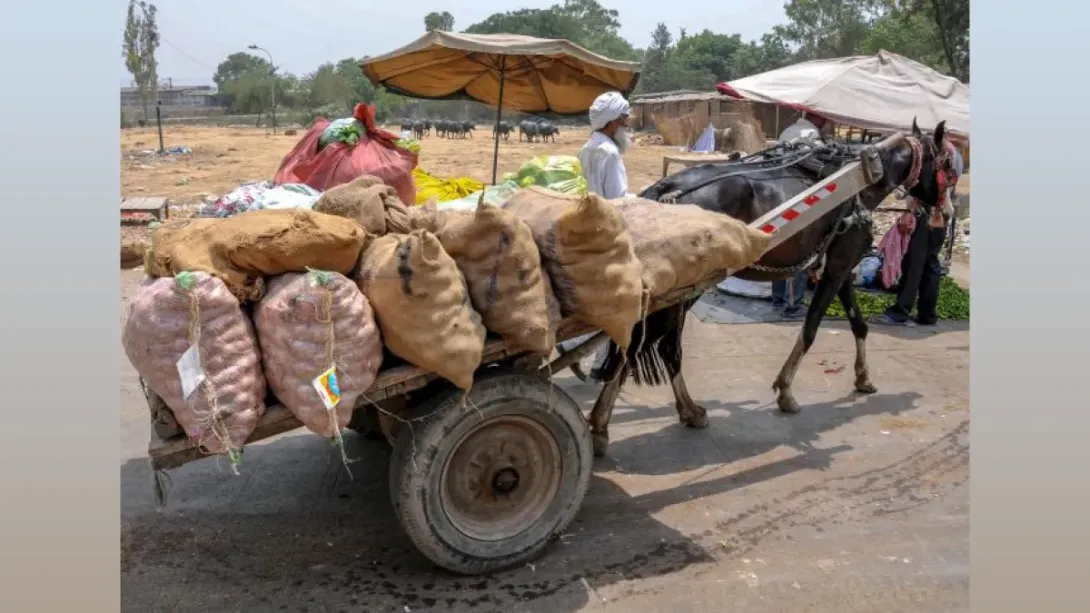
The Haryana government has announced that it will procure kharif pulses and oilseeds at the Minimum Support Price (MSP) to protect farmers against market fluctuations and ensure remunerative returns. This initiative, which covers crops such as moong, urad, arhar, groundnut, and soyabean, aligns with the state’s broader agenda of strengthening agricultural resilience and supporting rural livelihoods. Procurement centers will be established across key growing regions, with transparent systems for registration and payments. Analysts believe this intervention could stabilize market dynamics while reinforcing farmer confidence in state-backed procurement frameworks.
Procurement Strategy and Crop Coverage
The procurement program will encompass major kharif pulses—moong, urad, and arhar—as well as oilseeds such as groundnut and soyabean. The government has assured farmers that procurement will take place strictly at MSP, thereby insulating them from potential price crashes during peak arrival season.
To streamline operations, designated procurement centers will be set up in districts with high cultivation. Farmers will be required to register their produce, ensuring orderly transactions and timely disbursal of payments directly into their bank accounts.
Ensuring Farmer Welfare Through MSP
The decision to procure at MSP reflects the state’s commitment to safeguarding farmers from income volatility caused by oversupply and erratic demand in open markets. By guaranteeing fair returns, the scheme aims to reduce distress sales, strengthen rural purchasing power, and enhance economic security for farming households.
For many small and marginal farmers, who often lack bargaining power in private markets, state intervention through MSP-backed procurement serves as a critical safety net.
Market Impact and Broader Significance
Agricultural economists highlight that the move will not only stabilize prices for farmers but may also influence the wider market. With government agencies absorbing part of the supply, private traders could face upward pressure to match MSP levels, indirectly benefiting even those farmers who sell outside the procurement system.
Additionally, procurement of pulses and oilseeds helps strengthen India’s food security matrix, given the growing demand for protein-rich diets and edible oils. Haryana’s proactive stance contributes to bridging domestic supply-demand gaps, potentially reducing reliance on imports.
Challenges Ahead
While the scheme is expected to offer relief, its success will depend on timely procurement, efficient logistics, and prompt payment mechanisms. Delays in lifting produce or disbursing funds could erode farmer trust. Experts also caution that without adequate storage infrastructure, procured commodities may face post-harvest losses, undermining the intended benefits.
Addressing these operational challenges will be critical for ensuring that the program delivers its full potential impact.
Conclusion
Haryana’s decision to procure kharif pulses and oilseeds at MSP underscores the state’s focus on protecting farmer incomes and bolstering rural stability. If implemented effectively, this initiative could emerge as a model for balancing farmer welfare with market efficiency, reinforcing the crucial role of public procurement in India’s agricultural ecosystem.
Comments