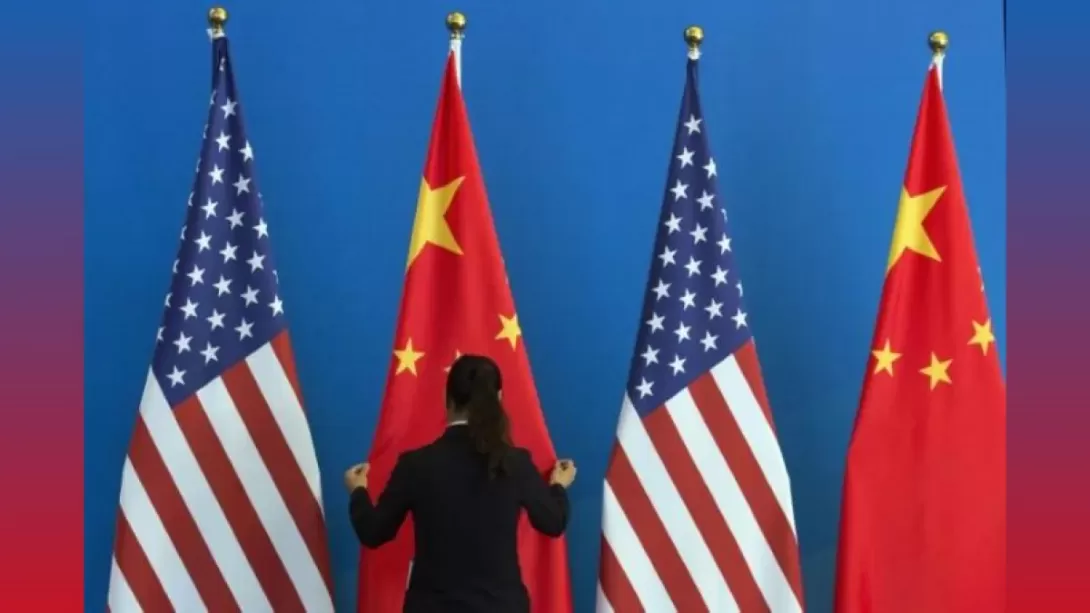
The Indian Paper Manufacturers Association (IPMA) is sounding the alarm over the rising influx of inferior-quality paper and paperboard imports into India, urging the government to take immediate action. Amid trade tensions, particularly with the US and EU imposing tariffs on key Asian exporters, the IPMA warns that India may become a dumping ground for cheap paper products. With imports already increasing from countries like China and ASEAN, the IPMA is calling for strict quality control, a ban on substandard imports, and the monitoring of paper shipments to protect the local industry from predatory practices.
Concerns Over Rising Imports and Impact on Indian Manufacturers
The Indian Paper Manufacturers Association (IPMA) has raised significant concerns about the growing influx of cheap, substandard paper imports that threaten to undermine the domestic paper industry. As global trade dynamics shift—particularly with recent tariffs imposed by the US and EU on major Asian exporters like China and Indonesia—the IPMA fears that India could become a target for excess inventories diverted from these countries.
The association argues that the surge in low-cost imports, especially from China and ASEAN nations, is severely affecting Indian manufacturers, who are already grappling with the challenges of maintaining competitive pricing. With the increased volume of imports, domestic companies are under pressure, facing an uphill battle to sustain their market share against cheaper foreign alternatives.
Rising Imports and Trade Tensions
The recent period has witnessed a significant uptick in paper and paperboard imports into India. From April to December 2024-25, imports surged to nearly 1.76 million tonnes, with imports from China increasing by 36% and those from ASEAN nations rising by 23%. This uptick in imports comes at a time when countries like the US and the European Union have imposed tariffs and trade measures to protect their own paper industries from Asian competition.
The situation has exacerbated concerns within the Indian paper industry, with the IPMA warning that the country is at risk of becoming a dumping ground for excess paper inventories from export-driven economies. The potential for predatory pricing—where foreign suppliers dump substandard paper products at artificially low prices—poses a serious threat to local manufacturers, particularly in a market already challenged by rising raw material costs and other operational challenges.
Urgent Policy Intervention Sought
To protect the local paper industry, the IPMA has called for immediate policy interventions. The association is urging the Indian government to implement a ban on the import of inferior-grade materials, known as stocklots, which are often rejected goods sold at discounted prices. These substandard products not only harm the market dynamics but also compromise the quality standards of paper used across various sectors in India.
In addition to the stocklot ban, the IPMA is advocating for the inclusion of paper and paperboard in the exclusion list under the ASEAN-India Free Trade Agreement (FTA). This would limit the flow of cheap paper imports into India from FTA member nations, helping level the playing field for domestic manufacturers. The association is also pushing for the issuance of Quality Control Orders (QCOs), which would enforce stringent standards on the quality of paper and paperboard imported into the country.
Industry’s Strategic Call to Action
The Indian paper industry is a vital sector, with an estimated annual production capacity of 22 million tonnes and providing direct and indirect employment to over 20 lakh people. However, the industry is facing an uphill battle as imports continue to rise, particularly under preferential trade agreements that allow lower tariffs for imports from certain countries.
According to Pawan Agarwal, President of IPMA, the import volume from China and ASEAN has more than doubled over the past four years, underscoring the severity of the situation. Agarwal emphasized that while these trade agreements were intended to foster fair competition, they have inadvertently enabled the influx of substandard products, threatening the livelihoods of millions within the industry.
The Path Forward: Safeguarding India’s Paper Industry
As the Indian paper industry faces increasing competition from cheap and inferior imports, the need for comprehensive policy action has never been more urgent. The IPMA's call for stricter monitoring of paper imports, as well as quality control measures, is critical to safeguarding the interests of local manufacturers. Furthermore, with global trade tensions escalating and excess inventories at risk of being diverted to India, the industry must work in tandem with government authorities to ensure that domestic companies are not undercut by unfair trade practices.
In conclusion, the growing pressure on India’s paper industry highlights the complexities of balancing free trade with the need to protect local industries from external market distortions. Whether or not the government responds effectively to these calls for intervention will determine the future of India's paper manufacturing sector, which is at a crossroads as it seeks to remain competitive in an increasingly globalized market.
Comments