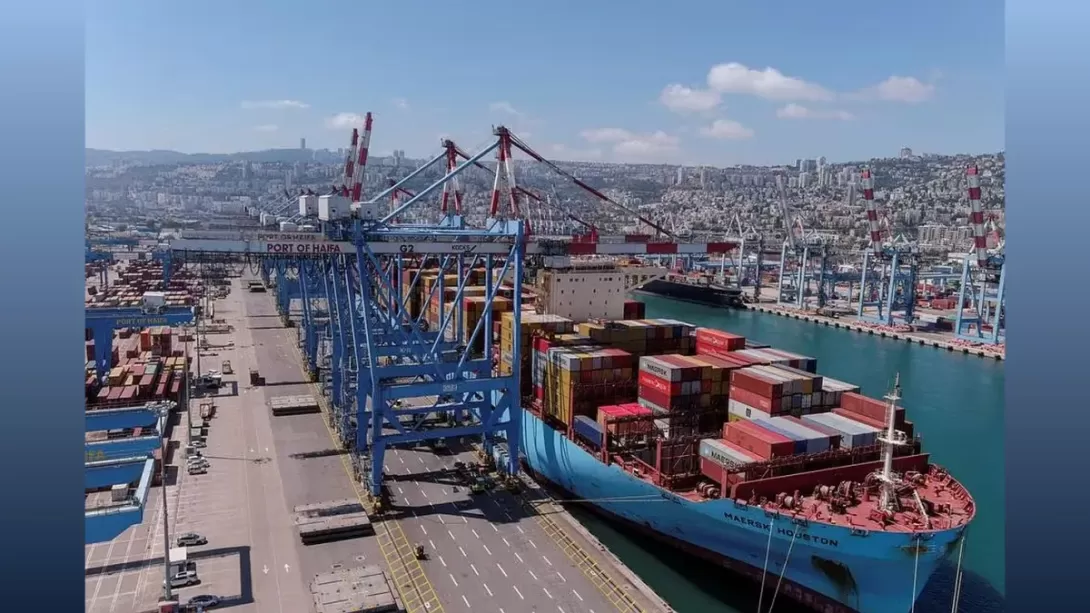
India’s major ports have posted a solid 4.3% growth in cargo handling for the financial year 2024–25, reaching a total of 855 million tonnes, signaling the sector’s resilience and robust trade momentum. This growth has been powered by double-digit gains in container and fertilizer cargo, while petroleum products and coal remained key contributors. Record-breaking performances at Paradip and Deendayal ports, alongside a significant increase in private sector investment and land allocation for industrialization, point to a transformative shift in India’s maritime economy. As ports become growth hubs, the nation’s logistics infrastructure appears well-positioned for its next leap.
Port Sector Growth: A Mirror of India’s Expanding Trade Ambitions
India’s network of 12 government-owned major ports has collectively handled 855 million tonnes of cargo in FY 2024–25, registering a year-on-year increase of 4.3%. This uptick reflects the expanding volume and diversity of cargo moving through the country's maritime infrastructure. Container throughput rose sharply by 10%, while fertilizer cargo surged 13%, indicating a rise in agricultural and industrial demand. Petroleum, Oil, and Lubricants (POL) traffic—a key indicator of economic activity—climbed 3%. The most striking rise came from miscellaneous commodities, which spiked by 31%, suggesting an increasingly diversified export-import portfolio.
Record-Breaking Performances at India’s Maritime Powerhouses
Two major ports, Paradip Port Authority (PPA) and Deendayal Port Authority (DPA), crossed the landmark of 150 million tonnes in cargo handling for the first time, reinforcing their strategic significance in India's maritime logistics chain. Meanwhile, Jawaharlal Nehru Port Authority (JNPA), India's premier container port, set a new record by handling 7.3 million TEUs—a 13.5% increase from the previous year. These milestones not only underscore operational efficiency but also mirror India’s growing integration with global trade networks.
Cargo Composition: Energy and Containers Continue to Dominate
Among the cargo categories, POL, including crude oil, petroleum products, and LPG/LNG, led with 254.5 million tonnes, comprising nearly 30% of the total volume. Container traffic followed at 193.5 million tonnes (22.6%), reflecting robust trade in manufactured goods. Coal cargo stood at 186.6 million tonnes (21.8%), pointing to ongoing reliance on thermal energy, while the remaining share was divided among iron ore, fertilizers, and other dry bulk and breakbulk items.
Industrial Expansion: Land Allocation and Investment Surge
India’s ports are evolving beyond traditional cargo handling into full-fledged industrial hubs. In FY 2024–25, 962 acres of port land were allocated for port-led industrialization projects, expected to generate revenues of Rs. 7,565 crore. More importantly, lessees have pledged Rs. 68,780 crore in investments for development on this land, reflecting strong investor sentiment in India's infrastructure narrative. These investments are expected to enhance value addition, drive job creation, and fortify the national supply chain ecosystem.
Private Sector Catalysts: PPP Investments Triple in Two Years
Private sector involvement in the port ecosystem has seen remarkable growth. Investments through Public-Private Partnership (PPP) models at major ports soared from Rs. 1,329 crore in FY 2022–23 to Rs. 3,986 crore in FY 2024–25. This threefold jump signals renewed investor confidence, policy stability, and the effectiveness of the Major Port Authorities Act, 2021, in promoting autonomy and commercial efficiency at Indian ports.
Conclusion: Ports at the Helm of India’s Economic Ascent
The FY 2024–25 data paints a clear picture: India’s major ports are not just logistical nodes—they are economic engines. From record-breaking cargo throughput to strategic land allocation and surging private investment, the sector is aligning closely with India’s vision of becoming a $5 trillion economy. With ports driving industrial development and deepening trade integration, the Indian maritime sector stands as a critical pillar of the country’s economic trajectory—stable, scalable, and set for global relevance.
Comments