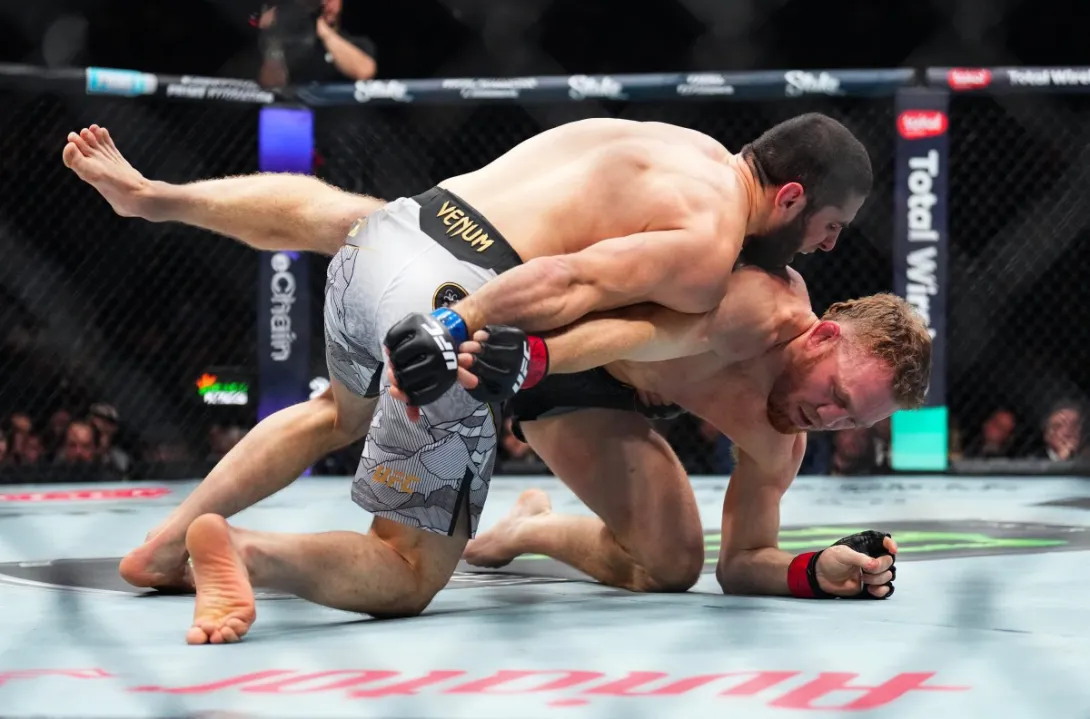
The clash between Jack Della Maddalena and Islam Makhachev delivered a dramatic mix of skill, strategy, and endurance, captivating fight fans worldwide. The bout showcased contrasting styles—Maddalena’s sharp boxing and calculated pressure against Makhachev’s grappling precision and championship-level composure. Over multiple rounds, both fighters demonstrated exceptional adaptability, producing a contest defined by momentum swings and tactical mastery. This article breaks down the fight’s pivotal sequences, evaluates each athlete’s approach, and explores the broader implications for their careers. It offers a professional, human-sounding analysis crafted with depth, clarity, and a newsroom-style narrative.
A Battle of Contrasting Philosophies
The matchup brought together two elite fighters representing fundamentally different philosophies of combat sports. Maddalena entered the cage relying on his crisp striking, tight combinations, and ability to dictate pace through forward pressure. Makhachev, known for his methodical grappling and elite control, approached the fight with characteristic patience, waiting for the right moments to close distance and initiate the clinch.
Their contrasting strengths created immediate tension in the opening moments, as Maddalena looked to establish range while Makhachev measured footwork patterns to time his level changes. The fight quickly evolved into a technical chess match rather than a reckless brawl.
Early Exchanges and Tactical Adjustments
The opening rounds emphasized Maddalena’s speed and accuracy. His jab disrupted Makhachev’s entries, and his body shots forced the champion to reconsider overly aggressive takedown attempts. Each strike served a purpose—either to break rhythm, drain stamina, or draw predictable reactions.
Yet Makhachev’s adaptability soon emerged. After observing Maddalena’s defensive tendencies, he began fainting strikes to bait counters, creating openings for clinch engagements. By mid-fight, he had successfully blended his wrestling with selective striking combinations, showing the evolution of his stand-up game. These adjustments underscored why he remains one of the sport’s most well-rounded competitors.
Momentum Swings and Fight-Defining Sequences
One of the most notable turning points occurred when Maddalena landed a sharp counter that momentarily staggered Makhachev, forcing the grappler into survival mode. Maddalena capitalized on the opportunity with a flurry of strikes, showcasing his killer instinct.
However, Makhachev’s resilience proved equally compelling. He regained composure and secured a crucial takedown, transitioning through dominant positions with striking precision. His top control neutralized Maddalena’s offense and allowed him to impose a slower, grinding pace that shifted the round in his favor.
These contrasting bursts of momentum defined the drama of the fight.
Final Rounds: Skill, Endurance, and Composure
As the contest progressed into the later rounds, cardio and decision-making became decisive factors. Maddalena maintained his output but was forced to conserve energy, recognizing the risk of overcommitting against an opponent with elite grappling awareness.
Makhachev, meanwhile, used his experience in long, grueling matchups to dictate the tempo. His positional control, well-timed counters, and calculated striking combinations showcased the depth of his technical maturity. Each exchange reflected a fighter fully aware of what was required to close the contest on favorable terms.
Implications for Both Fighters
Regardless of outcome, the performance elevated Maddalena’s status within the division. His ability to challenge one of the world’s most dominant fighters underscores his potential trajectory toward future title contention.
For Makhachev, the bout further solidified his reputation as a champion capable of navigating different fighting styles without abandoning his core strengths. The display of composure under pressure and strategic intelligence will likely influence future matchmaking and divisional dynamics.TV
Comments