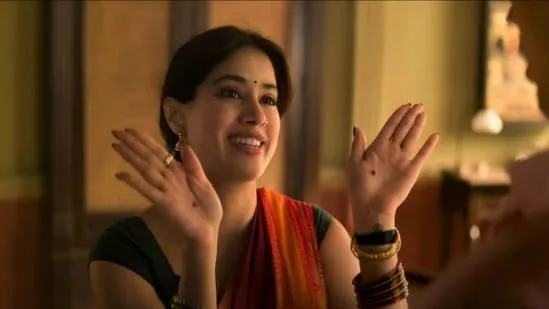
Janhvi Kapoor’s recent performance as a Malayali girl in the song Param Sundari has ignited criticism in Kerala, where audiences argue the depiction leans heavily into cultural clichés. While Kapoor’s presence added star power to the production, her portrayal has been perceived by many as a reductive representation of Malayali identity. This reaction reflects a recurring tension in Indian cinema, where regional characters are often filtered through broad stereotypes rather than nuanced cultural authenticity. The debate raises important questions about inclusivity, representation, and the responsibilities of mainstream actors in portraying diverse Indian communities.
Cultural Sensitivities at Play
Cinema has long been a unifying cultural force in India, yet it frequently grapples with the challenge of representing regional identities authentically. In this case, Kapoor’s depiction of a Malayali woman—through attire, accent, and mannerisms—was met with disapproval from viewers in Kerala who felt their culture had been oversimplified for cinematic appeal. The backlash underscores a growing insistence among audiences for respectful and accurate portrayals of their heritage on screen.
The Risk of Stereotyping
Stereotypes in cinema, while often intended to serve as shorthand for storytelling, can perpetuate harmful narratives. By presenting regional communities through exaggerated or superficial traits, filmmakers risk alienating audiences and reinforcing misconceptions. For actors like Kapoor, the challenge lies in balancing performance demands with cultural responsibility, especially in a country as linguistically and ethnically diverse as India.
Audience Reaction in Kerala
Public response on social media reflected a strong sense of cultural pride, with many Malayalis criticizing the portrayal as tone-deaf and disconnected from reality. The criticism is not merely about Kapoor’s performance but about the broader industry tendency to depict Kerala through a limited lens—whether through stereotypical costumes, culinary references, or linguistic caricatures. For a state that prides itself on its rich cultural identity, such portrayals are seen as dismissive.
The Industry’s Responsibility
The incident highlights an urgent need for the Indian film industry to engage more deeply with regional consultants, writers, and talent when representing diverse cultures. Authenticity is no longer optional in an era where audiences are quick to call out misrepresentation. Beyond cultural respect, accuracy can also enhance storytelling, offering richer narratives that resonate more deeply with viewers across geographies.
Looking Ahead
For Kapoor, the episode serves as a reminder of the scrutiny that comes with stardom in a socially aware digital age. For Bollywood, it presents an opportunity to rethink its approach to cultural diversity, moving beyond tokenism toward genuine inclusivity. If embraced thoughtfully, such feedback could pave the way for films that celebrate India’s pluralism without reducing it to simplistic tropes.
Comments