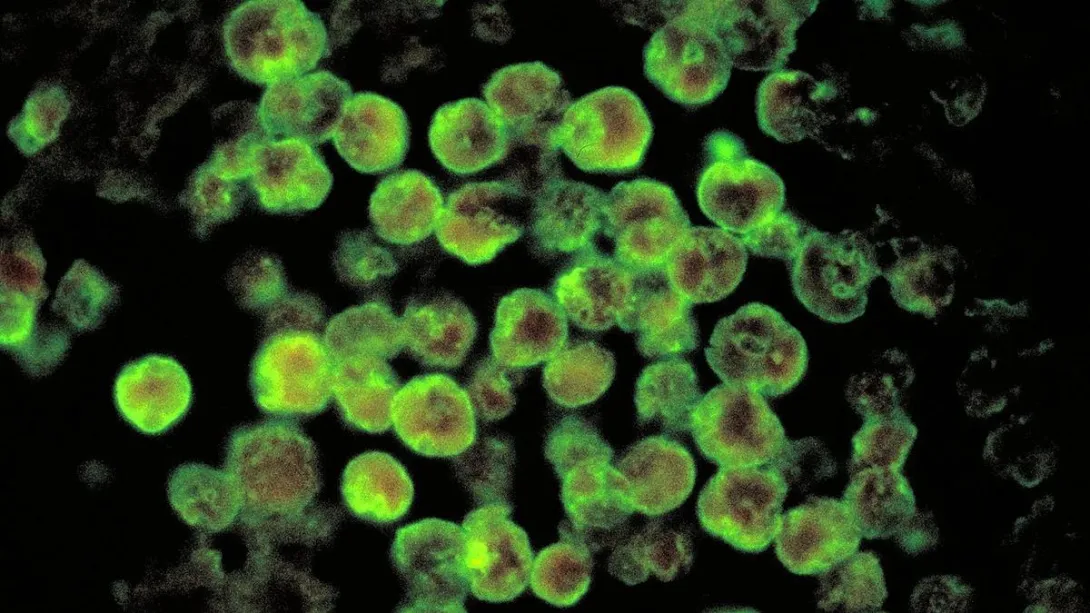
Kerala has recorded its fifth fatality from amoebic meningoencephalitis (brain-eating amoeba) within a month, raising alarm over the spread of this rare but deadly infection. Health authorities are investigating potential sources of exposure and emphasizing the importance of early diagnosis, preventive hygiene, and public awareness. The disease, caused by Naegleria fowleri, primarily affects the brain and is often fatal if untreated. The recent cluster of cases highlights the vulnerability of certain regions to waterborne pathogens and underscores the need for stringent water safety measures, timely medical intervention, and coordinated public health responses to curb further fatalities.
Understanding Amoebic Meningoencephalitis
Amoebic meningoencephalitis, caused by Naegleria fowleri, is a rare but aggressive infection affecting the brain. Infection typically occurs when contaminated water enters the nasal passages, allowing the amoeba to reach the brain. Early symptoms often resemble common illnesses such as fever, headache, and nausea, which can delay diagnosis and treatment, significantly increasing mortality risk.
Recent Cases in Kerala
Kerala has now reported five deaths in a month linked to the brain-eating amoeba. Officials are investigating environmental factors, including water sources, hygiene practices, and swimming in freshwater bodies, to identify potential causes. The state government has urged residents to avoid exposure to untreated freshwater and to follow strict hygiene protocols, particularly for nasal irrigation and recreational water activities.
Public Health Measures
Health authorities have intensified surveillance and awareness campaigns to inform the public about the risks of amoebic meningoencephalitis. Hospitals have been instructed to maintain high vigilance for suspected cases, ensure prompt diagnosis, and initiate early treatment protocols. Public advisories stress the use of clean, chlorinated water for bathing and ritual practices to minimize risk.
Implications for Healthcare Infrastructure
The cluster of fatalities underscores the need for strengthened healthcare infrastructure capable of detecting and managing rare infections. Laboratories, hospitals, and local clinics are being encouraged to adopt standardized diagnostic procedures and treatment guidelines, ensuring rapid intervention to improve survival rates.
Outlook
Kerala’s recent outbreak serves as a critical reminder of the importance of preventive measures against waterborne pathogens. While amoebic meningoencephalitis remains rare, heightened public awareness, strict hygiene practices, and prompt medical attention are essential to prevent further fatalities. The state government’s coordinated response aims to contain the outbreak while ensuring public safety and confidence in healthcare measures.
Comments