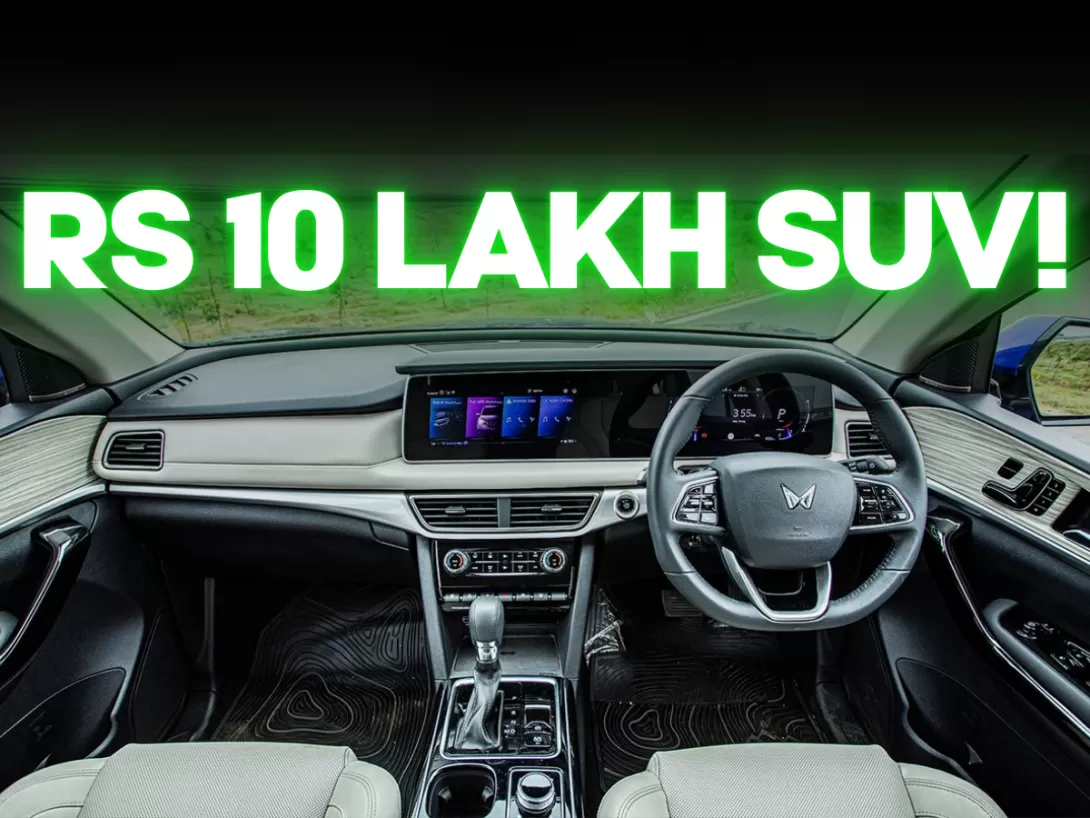
Mahindra & Mahindra is poised to redefine its SUV legacy with the launch of a next-generation Bolero built on a newly developed monocoque chassis platform—the New Flexible Architecture (NFA). Moving away from its long-standing ladder-on-frame design, the shift signals a strategic pivot toward greater comfort, road refinement, and drivetrain flexibility. The NFA platform, slated for debut on August 15, 2025, will serve as the foundation for future Mahindra SUVs—both electric and combustion-powered—with production centered at the brand's Chakan facility. As part of its long-term vision, Mahindra aims to roll out 12 new SUV models by 2030, reinforcing its dominance in India’s evolving automotive landscape.
Reinventing a Legacy: Bolero’s Transition to a Modern Era
The Mahindra Bolero, one of India's most recognizable and enduring SUVs, is set for a dramatic transformation. Once celebrated for its ruggedness and off-road tenacity, the Bolero's traditional ladder-on-frame construction is now giving way to a more refined and future-ready monocoque framework.
The transition reflects Mahindra’s strategic desire to cater to changing consumer expectations—particularly the need for improved ride quality, enhanced safety, and advanced in-cabin technology. The forthcoming Bolero will be underpinned by the company’s New Flexible Architecture (NFA), signaling a clear shift from utility to sophistication, without compromising the vehicle’s all-terrain DNA.
The NFA Platform: Mahindra’s Technological Pivot
The New Flexible Architecture (NFA) is more than a new chassis; it is a cornerstone of Mahindra’s future design and engineering philosophy. As a multi-energy, modular monocoque platform, the NFA supports a wide range of powertrains—petrol, diesel, hybrid, and fully electric. This flexibility will enable Mahindra to swiftly adapt to changing regulatory environments and market demands, both domestically and globally.
Unlike ladder-on-frame structures known for their ruggedness but limited comfort, the NFA promises superior ride dynamics, better handling, and greater versatility, particularly for urban mobility. The NFA will be showcased on August 15, 2025, underscoring Mahindra’s commitment to continuous innovation.
Chakan Facility: Hub for Future-Ready SUVs
To support this new era of vehicle production, Mahindra will utilize its state-of-the-art Chakan manufacturing plant, targeting an annual output of 1.2 lakh NFA-based models. This facility will be instrumental in scaling production, maintaining quality standards, and accommodating the engineering complexity required for multi-energy platforms.
Vehicles currently based on the ladder-on-frame design—including the Scorpio, Thar, Bolero Neo, and Thar Roxx—are better suited for off-road excursions than urban commuting. With the NFA platform, Mahindra aims to replicate the success of its monocoque-based models like the XUV700 and XUV3XO, which offer superior on-road behavior and comfort.
A Broader Vision: 12 SUVs by 2030
Mahindra’s ambitions stretch well beyond the Bolero. The company has announced plans to launch 12 new SUVs by 2030, comprising seven internal combustion engine (ICE) models and five electric vehicles (EVs). These models will build upon Mahindra’s recent successes in the EV domain, such as the BE6 and XUV 9E, both of which have been well received for their innovation and design.
By leveraging the NFA architecture, Mahindra is positioning itself to not only expand its product portfolio but also to lead in both conventional and electric mobility—a dual strategy that aligns with India’s automotive future.
Conclusion: Mahindra’s Roadmap to Future Dominance
The upcoming launch of the new-gen Bolero, built on the cutting-edge NFA platform, is a powerful symbol of Mahindra’s transformation from a utility-first automaker to a mobility innovator. As customer expectations evolve toward comfort, tech integration, and sustainability, Mahindra is ensuring its lineup remains both relevant and aspirational.
In embracing architectural innovation, digital-first strategies, and multi-energy capabilities, Mahindra is not just responding to the future—it’s actively shaping it.
Comments