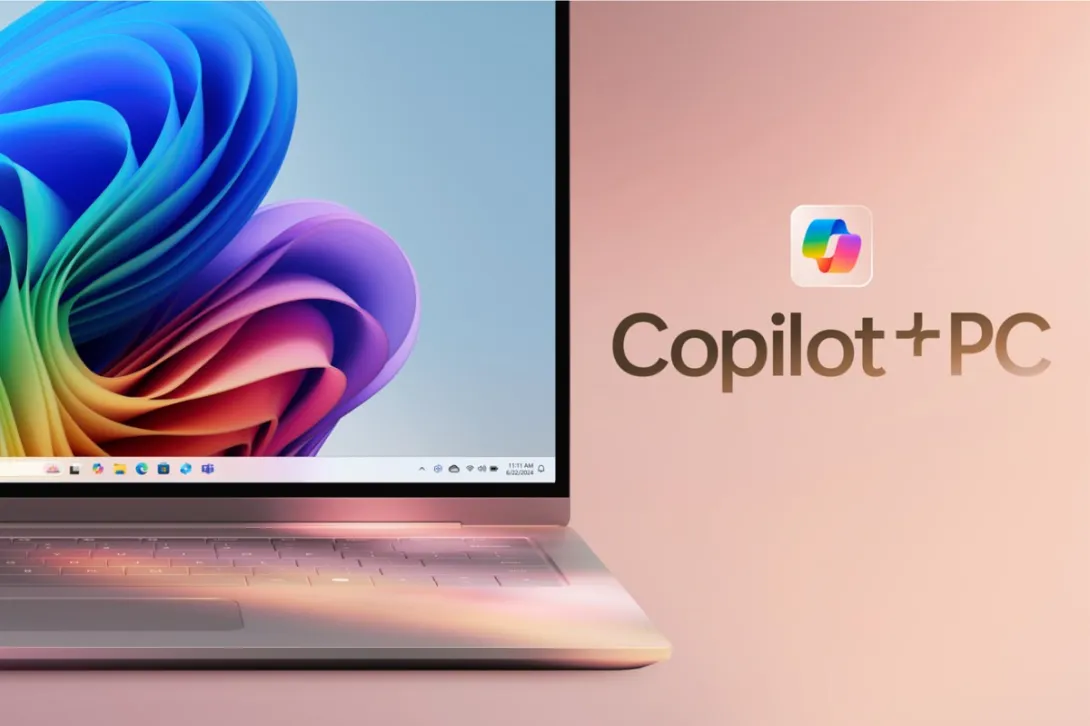
Microsoft is reportedly preparing to extend its Copilot Plus capabilities beyond laptops to traditional desktop PCs by the end of this year. Initially launched for premium Windows laptops, Copilot Plus integrates advanced on-device AI features designed to enhance productivity and streamline daily computing tasks. This prospective move signals Microsoft’s ambition to make AI-assisted computing ubiquitous across its hardware ecosystem. Industry insiders believe this expansion could reshape consumer expectations for desktop experiences, driving further innovation in the AI-driven personal computing market while potentially unlocking new revenue streams for Microsoft and its partners.
Copilot Plus Set to Broaden Its Reach
Microsoft’s Copilot Plus platform, unveiled earlier this year for select high-end laptops, represents a strategic pivot toward embedding generative AI directly into Windows devices. Unlike traditional cloud-dependent AI tools, Copilot Plus leverages powerful on-device silicon to deliver near-instant language processing, image creation, and productivity enhancements without relying heavily on an internet connection. This hardware-software synergy has been praised for minimizing latency and safeguarding user privacy.
Sources familiar with Microsoft’s plans suggest that by the end of 2025, the company intends to extend this ecosystem to desktop PCs. Such a rollout would allow businesses and individual users alike to benefit from sophisticated AI assistance in more robust, often stationary setups — an evolution that could redefine how workstations support complex workflows.
Market Dynamics and Strategic Implications
By scaling Copilot Plus to desktops, Microsoft is positioning itself to capture a broader slice of the burgeoning AI PC segment. Analysts estimate that global shipments of AI-capable PCs will exceed 100 million units annually by 2026, driven by growing demand for tools that can draft documents, summarize meetings, and generate creative content on the fly.
The strategy also underscores Microsoft’s close alignment with chip manufacturers investing heavily in neural processing units (NPUs). Intel and AMD have already signaled aggressive roadmaps to embed AI accelerators into mainstream desktop CPUs, aligning perfectly with Microsoft’s software ambitions. This synergy could spur an upgrade cycle, with enterprises and creative professionals justifying new hardware expenditures to harness full AI capabilities.
Potential Benefits for End Users
For consumers and businesses, integrating Copilot Plus into desktops could streamline myriad daily tasks. Imagine generating marketing copy, refining data models, or designing graphics using natural language prompts — all processed locally, with minimal delay and stronger data security assurances. This localized AI execution could be particularly appealing to industries handling sensitive information, from legal firms to healthcare providers.
Moreover, desktop systems typically boast superior thermal profiles and power budgets compared to laptops, which could enable even more advanced AI workloads. This might pave the way for richer, real-time generative content creation and more responsive personal assistants tailored to professional-grade projects.
Outlook and Challenges Ahead
While Microsoft has not officially confirmed timelines, the industry consensus suggests a steady ramp-up through late 2025. Nevertheless, broader adoption will depend on several factors: the readiness of compatible hardware, software optimization, and whether businesses see clear productivity returns to justify investment.
As competitors like Apple and Google also ramp up local AI initiatives, Microsoft’s expansion of Copilot Plus to desktops could prove pivotal in cementing Windows’ role at the center of next-generation personal computing. It marks not merely an incremental feature update but a fundamental shift in how PCs could evolve from passive tools into active, context-aware collaborators.
Comments