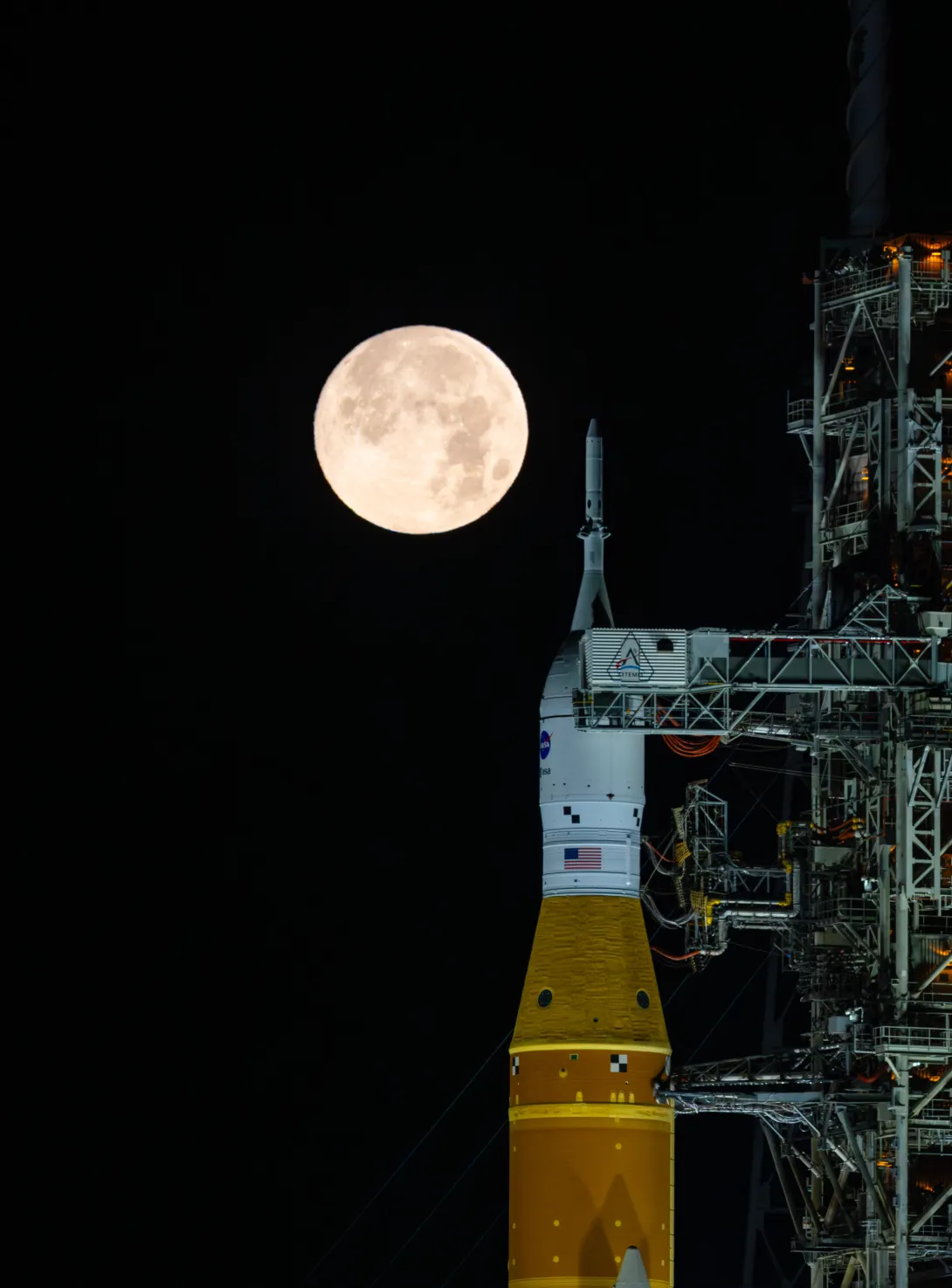
NASA has completed a critical dress rehearsal for Artemis II, marking a major milestone in preparations for its first crewed mission to the Moon in more than five decades. The rehearsal simulated launch-day conditions, testing systems, procedures and coordination across teams and hardware. Artemis II is designed to carry astronauts around the Moon, validating spacecraft performance and human readiness for deeper lunar exploration. The exercise underscores NASA’s methodical approach as it advances the Artemis program, widely seen as the foundation for sustained human presence beyond low-Earth orbit.
Final Systems Test Before Crewed Flight
The Artemis II dress rehearsal was conducted to replicate real launch conditions as closely as possible, without igniting the rocket engines. Engineers evaluated the integrated performance of the Space Launch System, the Orion spacecraft and ground support infrastructure. From fueling procedures to countdown protocols, every step was scrutinized to identify potential risks well ahead of the actual mission.
NASA officials described the rehearsal as essential for validating both hardware reliability and team readiness, particularly for a mission carrying astronauts.
Why Artemis II Matters
Artemis II represents a pivotal transition from uncrewed test flights to human spaceflight under the Artemis program. Unlike Artemis I, which orbited the Moon without astronauts, the upcoming mission will place a crew aboard Orion for a lunar flyby, testing life-support systems, navigation and communication in deep space.
The success of Artemis II is widely viewed as a prerequisite for future missions that aim to land astronauts on the Moon and establish a long-term lunar presence.
Managing Risk Through Simulation
Dress rehearsals play a crucial role in modern spaceflight risk management. By simulating launch conditions on the ground, NASA can uncover technical anomalies and procedural gaps without endangering crew or hardware. Such exercises also ensure seamless coordination among flight controllers, engineers and launch personnel.
Industry analysts note that this conservative, systems-driven approach reflects lessons learned from past programs, where overlooked details led to costly delays or mission failures.
Broader Implications for the Space Economy
Beyond exploration, the Artemis program carries significant economic and strategic implications. It supports a broad industrial base, including private contractors, and accelerates innovation in propulsion, materials and space habitation technologies. Artemis II, in particular, is a confidence-building step for stakeholders investing in the emerging lunar economy.
As global competition in space intensifies, NASA’s progress reinforces the United States’ intent to remain a leader in human deep-space exploration.
Looking Ahead
With the dress rehearsal completed, NASA will analyze performance data and address any outstanding issues before setting a final launch timeline. While cautious by design, the process signals steady momentum toward a historic crewed mission.
Artemis II is more than a test flight—it is a statement of intent. If successful, it will pave the way for humanity’s return to the Moon and lay the groundwork for missions that reach even farther into the solar system.
Comments