Artificial intelligence-driven fleet and road safety solutions provider Netradyne has introduced a suite of advanced safety technologies in India aimed at reducing accidents and improving compliance across the transportation ecosystem. The initiative leverages AI, computer vision, and data analytics to monitor driver behavior, detect risky patterns, and provide real-time feedback. With road accidents remaining a pressing challenge in the country, Netradyne’s launch comes at a critical moment, combining technology with proactive risk management to improve outcomes for both commercial fleets and everyday road users.
---
The Road Safety Challenge in India
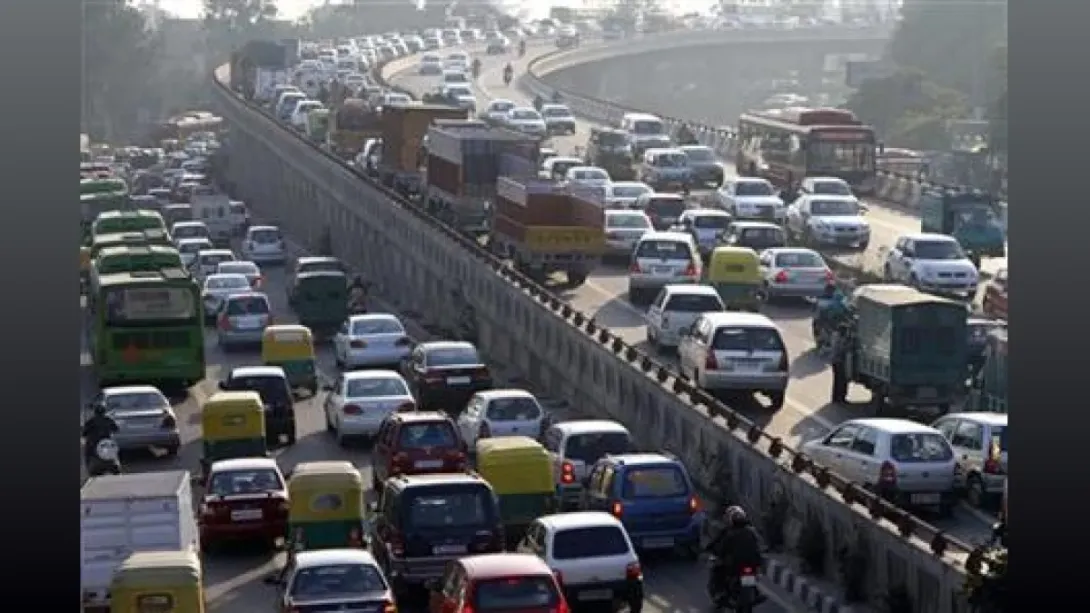
India records some of the highest road accident rates globally, with fatalities often linked to human error, fatigue, and poor enforcement of safety protocols. The economic cost of such accidents, including healthcare expenses and productivity losses, runs into billions of rupees annually. Addressing these concerns requires more than regulatory intervention—it calls for technology-driven solutions that can scale quickly and influence driver behavior in real time. Netradyne’s entry into this space underscores the growing recognition that road safety is as much a technology issue as it is an infrastructure or policy challenge.
---
Netradyne’s Technological Edge
The company’s safety solutions are built around its flagship AI-powered platform, which integrates dashcams, computer vision, and machine learning algorithms. These systems can track speed, sudden braking, lane discipline, mobile phone use, and other risk indicators. By analyzing data in real time, the platform not only alerts drivers but also generates actionable insights for fleet operators. This helps companies reduce accident-related costs, improve insurance outcomes, and promote a culture of safe driving. The solution is particularly impactful for logistics, passenger transport, and ride-hailing services where fleet safety is directly linked to business performance.
---
Benefits for Fleet Operators and Drivers
Fleet operators stand to gain significantly from adopting these solutions. Reduced accident rates translate into lower maintenance costs, improved delivery timelines, and stronger reputational credibility. For drivers, the system offers continuous training through feedback loops, creating opportunities to build safer driving habits. Netradyne’s approach is positioned not as punitive but as collaborative, focusing on improving performance and rewarding safe behavior. This dual benefit enhances buy-in from both companies and individuals behind the wheel.
---
Policy Alignment and Broader Impact
The launch aligns well with India’s national road safety strategy, which emphasizes technology adoption as a key pillar for reducing accidents. By equipping vehicles with AI-enabled monitoring tools, Netradyne contributes to the government’s broader vision of halving road fatalities by the end of this decade. Beyond compliance, the technology also supports insurance companies in refining risk models and offers city planners critical insights into traffic patterns and safety hotspots.
---
Conclusion
Netradyne’s rollout of road safety solutions in India represents a meaningful shift in how technology is being harnessed to address one of the country’s most persistent public safety challenges. By combining AI-driven insights with practical applications for fleets and drivers, the company is not only advancing road safety but also shaping the future of mobility management. As adoption widens, these solutions could play a transformative role in making Indian roads safer, smarter, and more resilient.
Comments