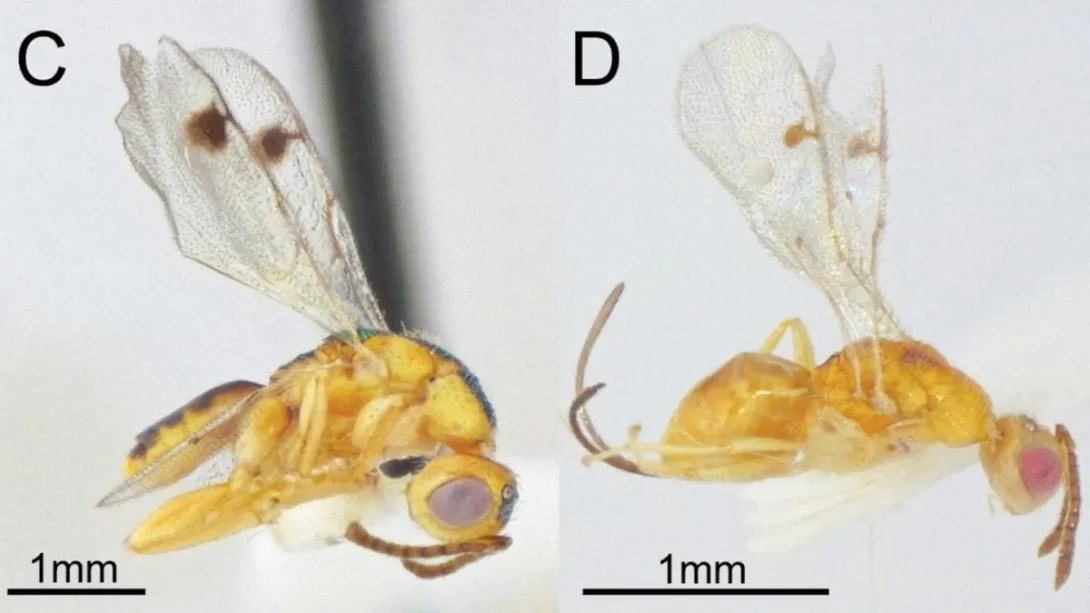
Entomologists in the United States have identified a previously unknown species of parasitic wasp, a discovery that is likely to enrich the understanding of insect diversity and ecological interactions. Parasitic wasps, though often overlooked, play a critical role in regulating pest populations and maintaining ecological balance. The newly discovered species demonstrates unique biological traits that distinguish it from its known relatives. This breakthrough underscores the vast extent of undiscovered biodiversity in North America, while also highlighting the growing importance of entomological research in the context of environmental change, agriculture, and biological control.
A Remarkable Scientific Discovery
Researchers have confirmed the existence of a novel parasitic wasp species within the United States, marking a significant addition to the catalog of known insect biodiversity. The species exhibits unique physical and behavioral characteristics that distinguish it from previously documented wasps, providing new insights into evolutionary adaptations within the Hymenoptera order.
Ecological Significance of Parasitic Wasps
Parasitic wasps are often underestimated in the ecological hierarchy, yet they serve as natural regulators of insect populations. By targeting and parasitizing specific host species, they help prevent outbreaks of agricultural pests, thereby reducing reliance on chemical pesticides. The newly discovered species is expected to deepen understanding of these dynamics, offering potential applications in sustainable pest management.
Implications for Biodiversity Research
The discovery highlights the ongoing gaps in scientific knowledge, even within well-studied ecosystems like those of North America. Despite extensive research, a substantial portion of insect biodiversity remains unrecorded, indicating that many species are still awaiting formal classification. This finding underscores the necessity for continued fieldwork, taxonomic research, and ecological monitoring.
Potential Applications in Agriculture
Beyond its academic importance, the new wasp species could hold practical value. If the insect demonstrates host-specific parasitism against pest species, it may emerge as a natural ally for farmers seeking environmentally friendly solutions. Biological control strategies rooted in such discoveries can help reduce crop damage, improve yields, and lessen the environmental impact of synthetic chemicals.
Broader Significance in a Changing Climate
As climate change alters ecosystems and accelerates shifts in species distribution, discoveries like this carry greater weight. Understanding how parasitic wasps adapt to new environments may inform broader ecological models, helping scientists predict how natural pest regulators might respond to environmental stressors.
Comments