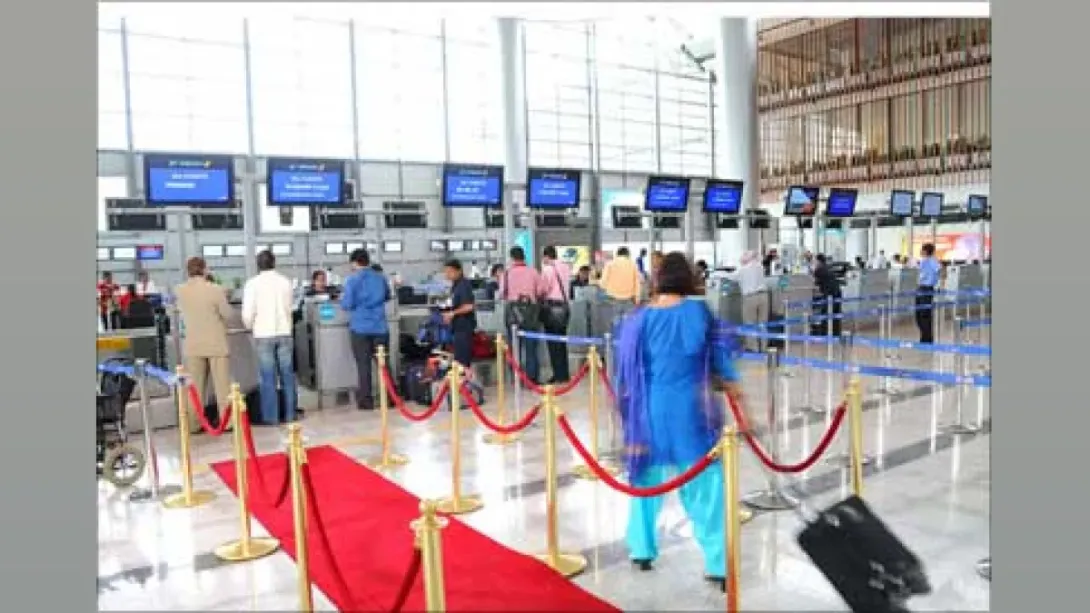
In a prompt display of crisis management, Air India deployed a special relief flight to assist passengers stranded after one of its scheduled services suffered a technical malfunction. The national carrier swiftly organized an alternative aircraft to ensure all affected travellers reached their destinations safely. The incident, which disrupted travel plans for several passengers, was handled with efficiency and transparency, reflecting the airline’s renewed operational focus under the Tata Group. The relief flight underscores Air India’s commitment to passenger welfare, safety, and service reliability amid its ongoing transformation into a global aviation leader.
Swift Response to Mid-Air Disruption
Air India’s quick action followed an unexpected technical snag that grounded one of its scheduled international flights earlier this week. The issue, identified during pre-departure checks, prompted the airline to delay the service to ensure passenger safety—an area where the carrier has maintained strict adherence to global standards.
To minimize inconvenience, the airline dispatched a relief aircraft from its base, ensuring stranded passengers were airlifted and resumed their journeys within hours. The proactive move, officials said, was part of Air India’s crisis management framework aimed at maintaining operational reliability while prioritizing safety and customer comfort.
An airline spokesperson confirmed that all passengers were provided with accommodation, meals, and updates during the delay. “We regret the inconvenience caused and appreciate our passengers’ patience as we addressed the technical issue in line with standard safety protocols,” the spokesperson stated.
Focus on Passenger Care and Transparency
Passengers affected by the delay commended the airline’s staff for their clear communication and supportive handling of the situation. Air India ensured that travellers were updated in real time through airport announcements, messages, and on-ground assistance—measures aligned with global best practices in passenger service recovery.
In recent months, Air India has been investing heavily in technology-driven systems for customer support and operational control. These efforts have been designed to improve response times in situations involving disruptions, weather events, or technical contingencies.
Aviation analysts observed that such efficient coordination is increasingly becoming the norm for Air India since its acquisition by the Tata Group, which has prioritized modernization, reliability, and global competitiveness.
Modernization and Operational Resilience
The incident also highlights Air India’s broader transformation strategy aimed at enhancing fleet reliability and service excellence. The airline has undertaken an aggressive fleet modernization program, replacing aging aircraft with new-generation jets from Boeing and Airbus. This is accompanied by a comprehensive maintenance overhaul and digital tracking of technical performance.
Industry observers point out that unplanned mechanical issues, though rare, remain a challenge across global aviation. However, the speed and professionalism with which Air India responded to the event demonstrates its evolving operational maturity.
By mobilizing a relief aircraft within hours, the airline avoided prolonged disruptions and reinforced passenger confidence—an outcome consistent with international airline standards.
Strengthening India’s Aviation Reputation
Air India’s swift response also carries symbolic weight for India’s aviation ecosystem, which has been under increasing global scrutiny as it expands its international footprint. The airline’s ability to execute such logistical precision under pressure serves as an example of how Indian carriers are evolving to meet global expectations.
The Directorate General of Civil Aviation (DGCA) has been emphasizing greater compliance and responsiveness among Indian airlines, particularly in matters related to passenger rights and safety assurance. Air India’s management, in turn, has worked to align its operations with these principles, balancing punctuality with uncompromising safety protocols.
A Reflection of Renewed Standards
The relief flight not only rescued stranded passengers but also symbolized Air India’s larger narrative of revival and accountability. Under the Tata Group’s stewardship, the airline has been actively rebuilding its brand reputation—once synonymous with reliability and grace—after years of turbulence under public ownership.
Analysts suggest that such responsive actions, coupled with improved on-time performance and service upgrades, are helping Air India reestablish itself as a trusted global carrier. The company’s continued investment in training, technology, and fleet renewal appears to be yielding tangible results in passenger experience and crisis response.
Conclusion: A Testament to Air India’s Revival
The successful operation of a relief flight amid an unexpected technical setback reflects Air India’s evolving operational discipline and renewed customer-first ethos. In an era where passenger confidence is paramount, the airline’s swift, transparent, and safety-conscious approach highlights the cultural transformation taking root within its organization.
As Air India continues its ambitious journey to reclaim its legacy as India’s flagship carrier, moments like these—defined by professionalism, empathy, and agility—underscore the new standards shaping the future of Indian aviation.
Comments