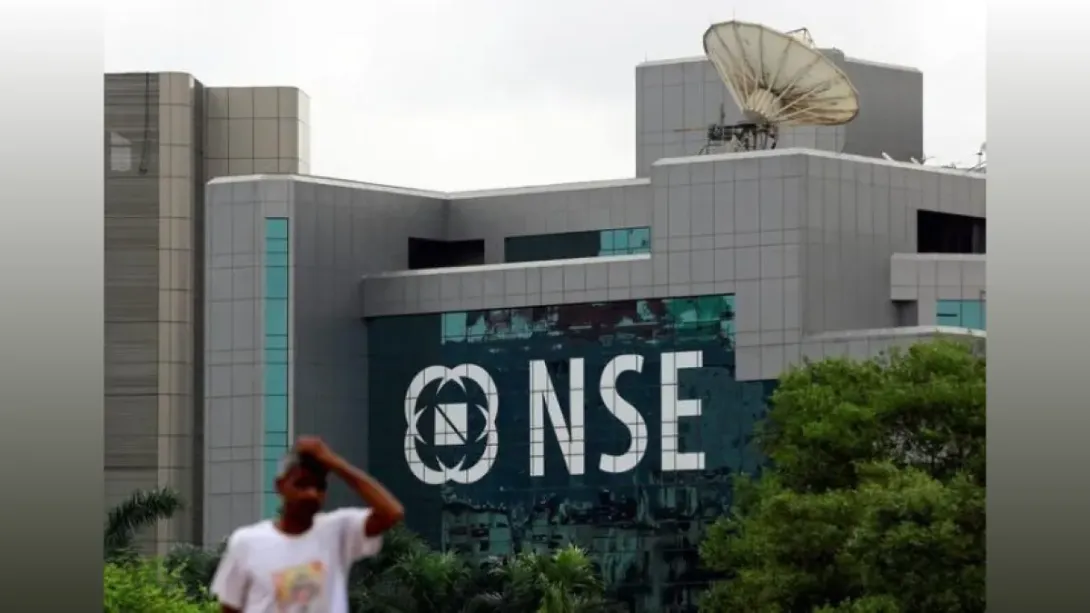
India’s business landscape is undergoing dynamic shifts as key sectors respond to global headwinds, domestic policy changes and evolving investor sentiment. Mutual funds saw equity inflows decelerate by 19 % to Rs. 24,690 crore in October, reflecting cautious optimism among retail and institutional investors. Concurrently, India’s mobile exports achieved a record $2.4 billion in October, bolstering the manufacturing narrative. Meanwhile, the insurance sector is poised for deeper penetration with relaxation of GST rates and regulatory reforms. In the fintech domain, policy watchers anticipate ‘country-of-origin’ filters soon being imposed on e-commerce platforms. These developments underscore India’s ambition of scaling manufacturing, enhancing financial inclusion and reforming digital commerce.
Mutual Fund Equity Inflows Lose Momentum
Data released by the industry regulator reveal that equity-oriented mutual funds registered a net inflow of Rs. 24,690 crore in October—a nearly 19 % decline month-on-month. Industry analysts attribute the moderation to profit-booking, elevated valuations and an uptick in redemptions from risky segments. Despite the slowdown, systematic investment plans (SIPs) continued to display resilience, indicating that long-term retail participation remains firm. The moderation signals a phase of consolidation rather than withdrawal, with investors recalibrating amid market volatility.
Mobile Exports Surge: $2.4 Billion in October
India’s mobile handset and component exports marked a new milestone with shipments worth $2.4 billion in October, the highest on record. This uptick underscores the success of the country’s manufacturing push under the “Make in India” initiative and reflects global supply-chain diversification trends. The export strength provides a strategic buffer against global demand shifts and adds depth to the manufacturing exports narrative. Stakeholders argue that ongoing incentives, infrastructure upgrades and skill development will determine whether this trend can be sustained.
Insurance Sector Poised for Growth After GST Cut
A recent reduction in the Goods and Services Tax (GST) for insurance products has reignited interest in the life-insurance and protection market. By lowering the cost of premiums, the reform is expected to drive both new sales and policy renewals, strengthening India’s protection culture. Financial-inclusion specialists view the change as a catalyst to lift insurance penetration—currently under 4 % of GDP—towards developed-market levels. The reform also aligns with broader goals of shifting savings from traditional instruments to market-linked protection products.
Digital Commerce to Face “Country of Origin” Filters
As part of the government’s push for self-reliant manufacturing and domestic competition, officials are reportedly gearing up to introduce “country-of-origin” filters for e-commerce platforms. These filters would highlight the origin of goods and could influence consumer behaviour, platform strategy and inventory sourcing. The move is expected to favour Indian-manufactured products and enforce transparency. E-commerce firms, however, caution about execution challenges and supply-chain readiness, especially in ensuring a level playing field for both domestic and global sellers.
Financial Inclusion Gets a Boost from Policy Tailwinds
Beyond reform headlines, the broader narrative of financial inclusion in India is advancing. The combination of tax reform in insurance, asset-allocation shifts in mutual funds and export-led manufacturing bodes well for inclusive economic growth. Small-savings instruments, digital distribution of financial products and improved access to manufacturing employment are converging to expand the consumption base. Observers note that while structural headwinds remain—such as rate hikes and global uncertainty—the emphasis on inclusion and domestic value-creation is visible.
Conclusion
These five business developments collectively highlight India’s evolving economic architecture: from manufacturing and exports to retail investing and digital commerce. For investors and business leaders alike, the message is clear—India is recalibrating for the next phase of growth, driven by policy, global reorientation and domestic empowerment. While near-term volatility cannot be ruled out, the medium-term trajectory appears anchored in structural shifts that favour value-creation and inclusion.
Comments