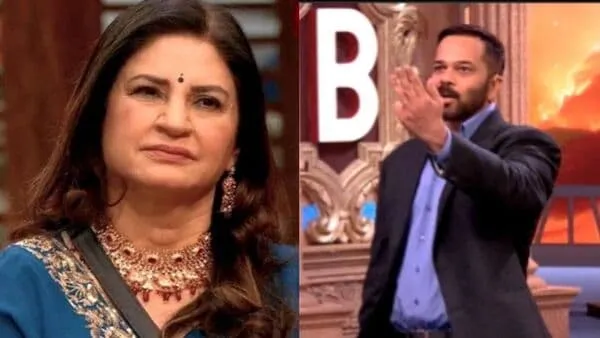
A public controversy unfolded when filmmaker Rohit Shetty issued a stern warning to actor Kunickaa Sadanand after she made a derogatory remark about Malti Chahar during an online exchange. The comment drew swift condemnation from viewers who deemed the language inappropriate and harmful, prompting Shetty to intervene and remind participants that “everyone is watching” and accountability matters. The incident has since fueled discussions about public conduct, digital responsibility, and the growing expectation that public figures treat sensitive subjects with dignity. As the debate intensifies, the episode underscores evolving norms around respect, representation, and social awareness in the entertainment industry.
Shetty’s Sharp Response to Online Misconduct
Rohit Shetty, known for his influential presence both on and off screen, cautioned Kunickaa Sadanand for her offensive reference to Malti Chahar. His remark—delivered as a firm yet measured warning—signaled that such language cannot be excused, particularly in a public forum where interactions are closely observed.
Shetty stressed that the industry operates under constant scrutiny and that public figures should recognize the weight their words carry.
The Comment That Sparked Outrage
The controversy began when Sadanand used a derogatory label to describe Malti Chahar, prompting an immediate backlash across social platforms. Users criticized the slur as not only inappropriate but also regressive, arguing that such statements reinforce harmful stereotypes.
As the clip circulated, many questioned why a seasoned actor would resort to language that undermines respect and personal dignity.
Widespread Social Media Backlash
Netizens responded with strong disapproval, urging accountability and demanding a public apology from Sadanand. Many noted that comments targeting a person’s identity—real or implied—have consequences far beyond momentary provocation.
The response from the online community reflected a broader cultural shift toward zero tolerance for discriminatory or disparaging language, especially in high-visibility spaces.
A Growing Debate on Representation and Sensitivity
The episode has reignited discussions about responsible communication in the entertainment industry. Advocacy voices highlighted that derogatory remarks, even in passing, reinforce societal bias and contribute to an environment of intolerance.
Observers emphasized that celebrities bear an added responsibility to model respectful dialogue, given their influence over millions.
The Digital Age and the Demand for Accountability
With social media serving as a permanent public record, every comment—casual or deliberate—can shape reputations. Shetty’s intervention underscored this reality, reminding industry members that their actions are continuously monitored by fans, critics, and the media.
The controversy illustrates how quickly a single remark can escalate into reputational risk, prompting greater emphasis on sensitivity and thoughtful engagement.
What Comes Next
As discussions continue, it remains unclear whether Sadanand will issue a clarification or apology. Supporters of Malti Chahar have urged for respectful discourse, while others hope the incident leads to more mindful communication across the industry.
Comments