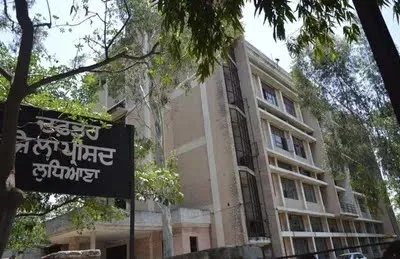
Punjab is set to conduct its Zila Parishad elections on December 14, marking a significant step toward strengthening grassroots governance in the state. With the poll schedule now formalized, the model code of conduct has come into force immediately, governing administrative decisions and political activities until voting concludes. The announcement sets the stage for a crucial electoral exercise that will determine leadership across district-level rural bodies. As political parties prepare their campaigns, voters are expected to play a decisive role in shaping local development priorities. The election is poised to impact rural policy direction, resource allocation, and the overall governance framework in Punjab.
Election Schedule Finalized
The state government has confirmed that elections for all Zila Parishads will be held on December 14. The polling process, conducted through secret ballot, aims to reinforce democratic participation at the district level. This electoral round is considered significant as the elected members will influence key decisions related to infrastructure, rural development programs, and welfare schemes.
The announcement aligns with the state’s broader push to streamline local governance structures and enhance administrative accountability across Punjab’s rural regions.
Model Code of Conduct Enforced
Following the declaration of the election date, the model code of conduct has been implemented across the state. This code restricts government officials and elected representatives from making policy announcements, sanctioning new projects, or distributing benefits that could influence voting outcomes.
Public events funded by the state exchequer and political inaugurations are also prohibited during this period. Administrative machinery is now required to maintain neutrality, ensuring a transparent and fair election environment.
Political Preparations Underway
With the electoral timeline confirmed, political parties have shifted into campaign mode. Candidates are expected to emphasize issues such as rural infrastructure, water management, agricultural support, and employment opportunities. These themes remain central to district-level governance and have a direct bearing on the daily lives of rural households.
Analysts expect the elections to serve as a litmus test of public sentiment, especially in regions where development challenges have persisted despite previous interventions.
Importance of Zila Parishad Elections
Zila Parishads play a vital role in overseeing district-level planning, monitoring government schemes, and coordinating with village councils. Their decisions often influence long-term developmental strategies, including road construction, sanitation projects, school improvements, and health services.
Strengthening these institutions is essential for enhancing administrative efficiency and bringing governance closer to the people. The upcoming elections are likely to shape the trajectory of rural development for the next five years.
Looking Ahead
As campaigning intensifies and polling day approaches, the focus will remain on ensuring a peaceful and well-managed electoral process. Election authorities are expected to monitor adherence to the model code, deploy adequate security, and promote voter awareness.
The December 14 Zila Parishad elections mark an important chapter in Punjab’s democratic landscape—one that promises to influence both rural governance and political dynamics in the state.
Comments