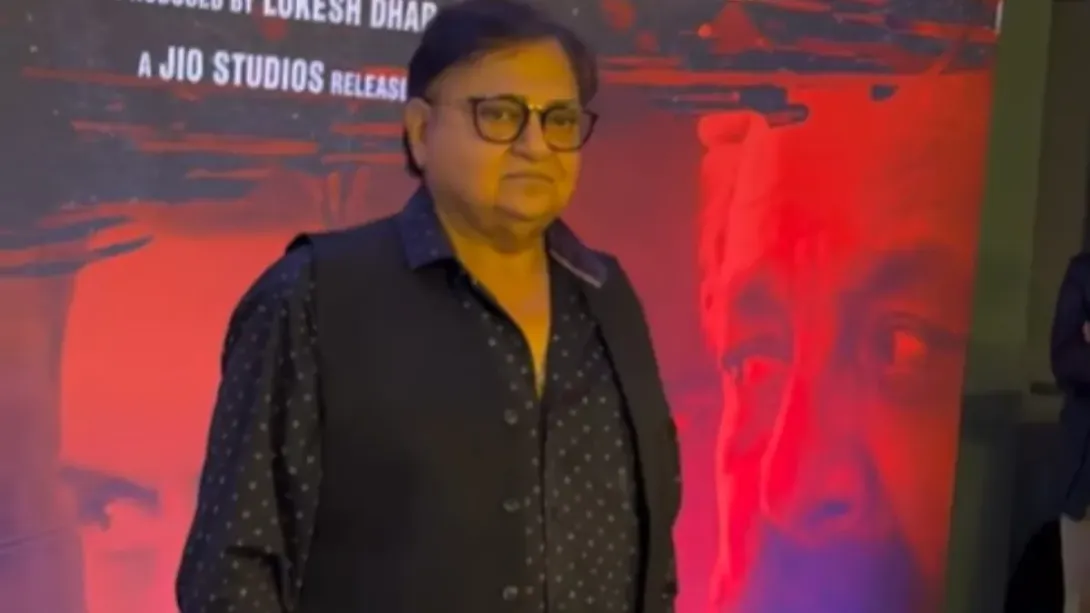
Veteran actor Rakesh Bedi has spoken candidly about the box office success of Dhurandhar, offering rare insight into why the film resonated with audiences and translated critical appreciation into commercial returns. In recent interviews, Bedi linked the film’s performance to strong storytelling, disciplined budgeting, and a renewed audience appetite for content-driven cinema. His remarks arrive at a time when the Indian film industry is reassessing cost structures and revenue expectations amid volatile theatrical footfalls. Dhurandhar’s success, he suggested, reflects a recalibration underway in Bollywood, where sustainable economics and authentic narratives are regaining prominence.
A Veteran’s Perspective on Commercial Success
Rakesh Bedi, whose career spans decades across film, television, and theatre, has attributed Dhurandhar’s box office performance to fundamentals often overlooked in the pursuit of scale. Speaking in multiple interviews, Bedi emphasized that the film’s success was not accidental but the outcome of coherent writing, controlled production costs, and clarity of vision.
According to him, audiences are increasingly selective, rewarding films that respect both their intelligence and their time. Dhurandhar, he noted, benefited from this shift in viewer behavior.
Content Over Spectacle: A Shifting Market Reality
Bedi highlighted that Dhurandhar succeeded without relying on extravagant budgets or excessive marketing spend. Instead, the film leaned on narrative strength and performances, allowing word-of-mouth to drive footfalls.
This model, analysts observe, is gaining renewed relevance as high-budget productions struggle to justify escalating costs. With ticket prices under pressure and competition from streaming platforms intensifying, content-led films are emerging as a more financially resilient proposition.
Box Office Economics and Cost Discipline
In his remarks, Bedi underscored the importance of aligning budgets with realistic revenue expectations. He pointed out that films like Dhurandhar demonstrate how disciplined cost management can significantly improve profitability, even without blockbuster-level collections.
Industry estimates suggest that mid-budget films achieving steady occupancy can deliver stronger returns on investment than larger productions burdened by high break-even thresholds. This recalibration is prompting producers to rethink financial planning and risk assessment.
Audience Trust and Long-Term Value
Bedi also spoke about the long-term value of audience trust, arguing that consistent quality builds credibility that translates into sustained box office performance. He noted that Dhurandhar benefited from viewers recommending the film to others, a dynamic that money cannot easily buy.
From a business standpoint, such organic traction reduces dependence on front-loaded marketing expenditure and improves margins over the theatrical run.
Implications for the Film Industry
The success of Dhurandhar, as framed by Bedi, offers a broader lesson for the industry. It suggests that the path to commercial viability lies not solely in scale but in strategic alignment between content, cost, and consumer demand.
Producers and studios are increasingly attentive to this message, particularly as financiers and distributors demand clearer visibility on returns in a risk-heavy environment.
Outlook
Rakesh Bedi’s reflections place Dhurandhar within a larger narrative unfolding across Indian cinema—a gradual shift toward sustainable filmmaking. As the industry navigates changing audience preferences and economic pressures, the film’s box office journey stands as a case study in how thoughtful execution and fiscal prudence can coexist with creative ambition. For stakeholders across the value chain, the message is clear: credibility and content are once again becoming bankable assets.
Comments