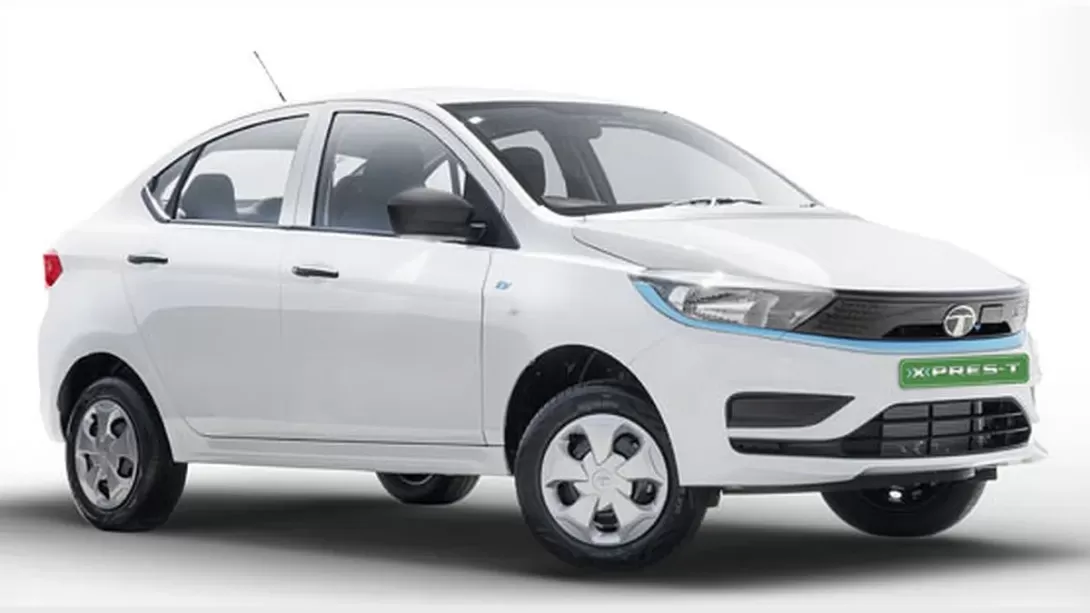
Maharashtra’s new Electric Vehicle (EV) Policy 2025, approved by the state government, aims to make the state a national leader in sustainable transportation. The policy introduces several initiatives, including toll waivers for certain EVs, purchase subsidies, and significant investments in charging infrastructure. Tata Motors has endorsed the policy, highlighting its potential to boost EV adoption through incentives, operational cost reductions, and improved accessibility. The policy is set to run until 2030 and will involve an allocation of Rs 1,993 crore to expand the electric mobility ecosystem across the state.
Maharashtra’s Ambitious Push for Electric Vehicles
Maharashtra has solidified its position as a front-runner in India's shift toward sustainable transportation with the unveiling of its comprehensive Electric Vehicle (EV) Policy 2025. Approved by the state cabinet under the leadership of Chief Minister Devendra Fadnavis, this forward-thinking initiative aims to accelerate the adoption of electric mobility by addressing key barriers such as cost and infrastructure. The policy, which is valid until 2030, includes a total financial commitment of Rs 1,993 crore, underscoring the state's dedication to creating a cleaner, more sustainable transport ecosystem.
Tata Motors, one of India’s leading automotive manufacturers, has lauded the policy as a significant step toward building a future-ready mobility landscape. Shailesh Chandra, Managing Director of Tata Motors Passenger Vehicles Ltd & Tata Passenger Electric Mobility Ltd, emphasized that the policy's focus on expanding EV infrastructure and reducing operational costs will make electric vehicles more accessible and economically viable.
Key Features of the Maharashtra EV Policy
The Maharashtra EV Policy 2025 is built around several strategic initiatives aimed at reducing the environmental impact of transportation while boosting the adoption of electric vehicles. One of the key components of the policy is the provision of subsidies for the purchase of electric vehicles, which are designed to make EVs more affordable for consumers. In addition, toll waivers for EVs on major highways, including the Mumbai-Pune Expressway and Samruddhi Mahamarg, will further reduce operational costs, making the switch to electric mobility more attractive for consumers and businesses alike.
The policy also prioritizes the expansion of charging infrastructure, with plans to install EV charging stations every 25 kilometers along national highways. This infrastructure improvement addresses one of the most significant barriers to EV adoption—accessibility—ensuring that drivers will have access to reliable charging points across key urban centers and transportation corridors.
Focus on Diverse EV Segments
The Maharashtra government’s EV policy is inclusive, addressing a range of vehicle categories. The policy stipulates that electric two- and three-wheelers, as well as private electric four-wheelers, will receive a 10% purchase concession. Additionally, electric goods-carrying vehicles and electric tractors will benefit from a 15% concession. These measures are intended to make EVs not only a sustainable choice but also a cost-effective option for both consumers and businesses.
Tata Motors, with its extensive experience in the automotive sector, is positioning itself as a key player in this transition, planning to expand its electric vehicle portfolio to align with the policy’s objectives. The company is also committed to contributing to the development of the necessary charging infrastructure, underscoring the interconnected nature of vehicle availability and charging accessibility in accelerating EV adoption.
Long-term Benefits for Consumers and Manufacturers
A central element of the Maharashtra EV policy is its focus on long-term sustainability. The state government has guaranteed benefits such as continuous registration and road tax exemptions for electric vehicles, providing long-term stability for both consumers and manufacturers. By ensuring that these benefits will remain in place until 2030, Maharashtra aims to offer the necessary assurances for both individual buyers and businesses to invest in electric mobility.
Tata Motors has highlighted the economic advantages of the policy’s toll-free highways and infrastructure development, stating that these factors will significantly reduce the total cost of ownership for electric vehicles, making them more attractive to a wider consumer base. These initiatives will not only support the transition to greener mobility but will also help foster a growing EV market, which can create jobs and spur innovation in the sector.
The Road Ahead: Challenges and Opportunities
While Maharashtra’s new EV policy lays the groundwork for a transformative shift in transportation, the state faces several challenges in implementing these ambitious goals. One of the key hurdles will be ensuring the consistent availability and reliability of charging infrastructure, particularly in rural and less densely populated areas. Expanding the charging network will require significant coordination between government agencies, private companies, and local stakeholders.
Another challenge is ensuring the affordability of electric vehicles for a wide range of consumers. While the subsidies provided under the policy are a step in the right direction, manufacturers will need to continue innovating to lower the cost of EVs and improve their overall performance, making them viable alternatives to traditional combustion engine vehicles.
However, the opportunities presented by this policy are significant. Maharashtra’s commitment to electric mobility can inspire other states to adopt similar measures, accelerating the national transition to sustainable transport. Moreover, Tata Motors and other manufacturers stand to benefit from the policy’s focus on expanding the EV market, which could lead to increased sales and greater market share in the rapidly growing electric vehicle sector.
Conclusion: A Landmark Policy for a Sustainable Future
Maharashtra’s Electric Vehicle Policy 2025 positions the state as a national leader in the transition to sustainable mobility. With substantial financial backing, infrastructure expansion, and a range of incentives for consumers and businesses, the policy addresses key barriers to EV adoption, including cost and accessibility. By focusing on a wide range of vehicle segments and committing to long-term stability, the state has set a clear roadmap for a greener and more sustainable transportation future.
Tata Motors, along with other industry players, stands to benefit from these initiatives, contributing to the development of electric mobility solutions that are both economically viable and environmentally responsible. As Maharashtra’s EV policy paves the way for other states to follow suit, the future of India’s transportation landscape looks brighter and more sustainable than ever before.
Comments