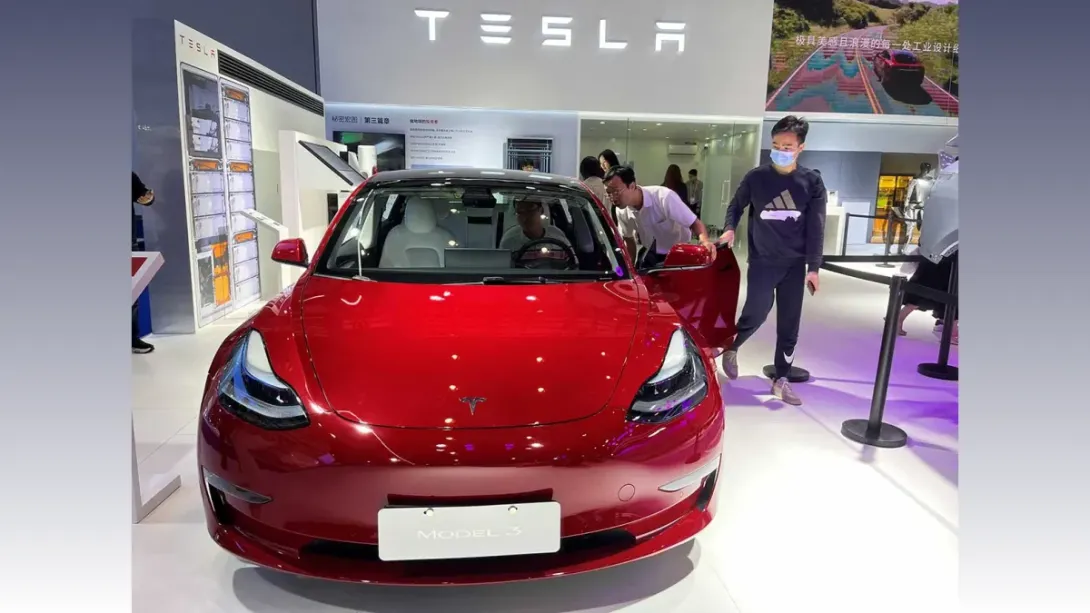
Tesla is sharpening its India strategy by introducing flexible EMI options and vehicle exchange programs aimed at accelerating adoption in a price-sensitive market. The proposed offers are designed to lower upfront costs, improve affordability and attract buyers transitioning from premium internal combustion vehicles to electric mobility. Industry analysts say the move reflects Tesla’s pragmatic approach to entering one of the world’s fastest-growing auto markets, where financing plays a decisive role in purchase decisions. By pairing innovative ownership models with its technology-led brand appeal, Tesla is positioning itself to compete more effectively as India’s electric vehicle ecosystem gathers momentum.
Financing Takes Center Stage in Market Entry Strategy
As Tesla prepares to deepen its presence in India, the company is expected to lean heavily on structured financing solutions, including equated monthly installment plans tailored for urban and affluent buyers. In a market where a majority of vehicle purchases are credit-driven, competitive EMI offerings are seen as essential to driving early volumes.
Auto sector experts noted that spreading ownership costs over longer tenures could make Tesla vehicles more accessible without compromising their premium positioning.
Exchange Programs to Ease the Transition to EVs
In addition to financing, Tesla is likely to roll out exchange schemes allowing customers to trade in existing vehicles against new electric models. Such programs are intended to reduce effective purchase prices while encouraging a shift away from conventional petrol and diesel cars.
Analysts said exchange offers could be particularly attractive to owners of luxury and premium vehicles, many of whom represent Tesla’s initial target demographic in India.
Competitive Landscape and Consumer Behavior
India’s electric vehicle market remains nascent but highly competitive, with both domestic and global players expanding their portfolios. While Tesla’s brand equity is strong, pricing remains a critical factor, especially as consumers weigh EV adoption against concerns such as charging infrastructure and resale value.
Financing-led incentives are increasingly viewed as a practical way to bridge this gap, aligning with broader industry trends.
Strategic Implications for Tesla
By emphasizing affordability through EMIs and exchange benefits, Tesla signals a willingness to adapt its global playbook to local market realities. This approach could help the company build early traction while infrastructure and policy support continue to evolve.
Market participants believe that such customer-centric strategies will be key in determining how quickly Tesla can scale operations in India.
Outlook: Measured Entry with Long-Term Intent
While initial volumes may be modest, analysts expect Tesla’s India strategy to focus on brand establishment and ecosystem development rather than rapid mass-market penetration. Flexible ownership models could serve as a foundation for future expansion.
As India’s EV market matures, Tesla’s emphasis on innovative financing and value-driven incentives may prove decisive in converting curiosity into sustained demand.
Comments