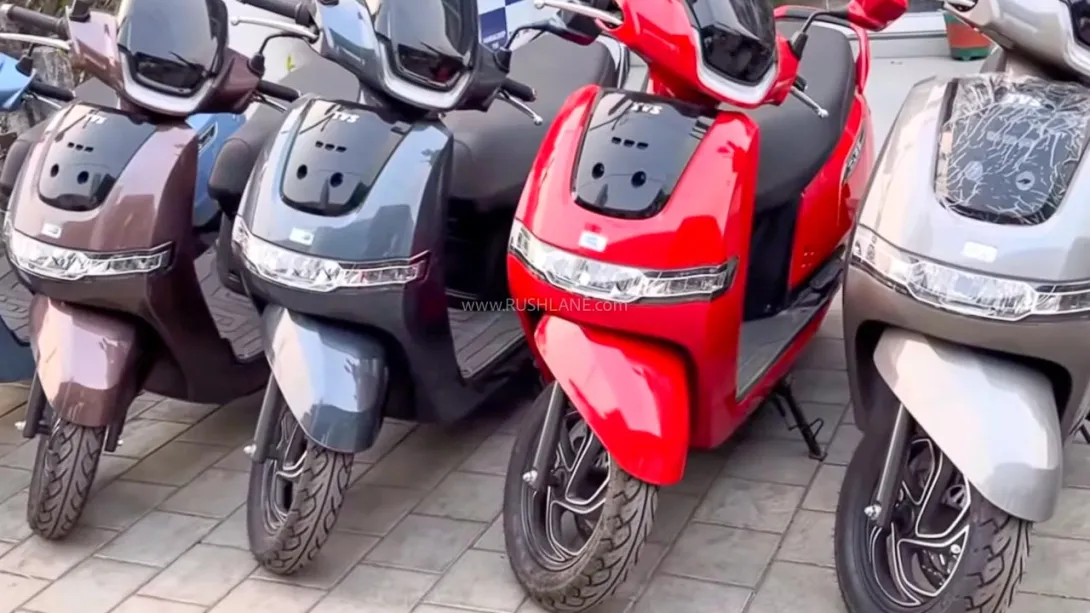
India’s electric vehicle (EV) market recorded a sharp rise in retail sales during February, highlighting the country’s accelerating shift toward sustainable transportation. Strong demand across multiple segments—including electric two-wheelers, passenger cars, and commercial vehicles—contributed to the growth.
Leading manufacturers such as Tata Motors and Mahindra & Mahindra continue to expand their electric portfolios to capture the emerging opportunity. Analysts say government incentives, improving charging infrastructure, and rising consumer awareness about fuel efficiency and environmental impact are driving adoption. The momentum signals a structural transformation within India’s automotive sector as electrification becomes a central pillar of future mobility.
India’s EV Market Enters a Rapid Growth Phase
India’s electric vehicle industry experienced significant momentum in February, as retail sales surged across several segments. The increase reflects growing consumer acceptance of electric mobility and the broader transformation underway in the country’s automotive landscape.
Rising fuel prices, increasing environmental awareness, and supportive government policies have collectively encouraged consumers and businesses to consider electric vehicles as a viable alternative to traditional internal combustion engine models.
Policy initiatives aimed at reducing carbon emissions and improving air quality in major cities have also accelerated investments in EV technology and infrastructure.
Demand Expands Across Vehicle Segments
One of the most notable developments in February’s sales performance was the broad-based nature of the growth. While electric two-wheelers have traditionally dominated India’s EV market, passenger vehicles and commercial EVs are now gaining traction.
Electric passenger cars, in particular, are attracting greater interest as automakers introduce new models equipped with longer driving ranges, advanced connectivity features, and improved battery technology.
Companies such as Tata Motors have led the segment with vehicles like the Tata Nexon EV, which has become one of the most recognizable electric cars in the country.
At the same time, Mahindra & Mahindra continues to develop a pipeline of next-generation electric SUVs designed to compete in both domestic and international markets.
Government Incentives Fuel Adoption
Government support remains a crucial driver behind the rapid expansion of India’s EV ecosystem. Several national and state-level programs provide financial incentives for both consumers and manufacturers.
These incentives help reduce the upfront cost of electric vehicles, making them more competitive with conventional gasoline or diesel-powered models.
Additionally, policymakers are encouraging investment in battery manufacturing, charging infrastructure, and domestic EV supply chains in order to strengthen India’s position in the global electric mobility transition.
As a result, both established automakers and new entrants are accelerating their EV development programs.
Charging Infrastructure Continues to Expand
A critical component of India’s EV growth story is the gradual expansion of charging infrastructure across urban centers and highways.
Public charging networks are expanding as energy companies, technology firms, and automakers invest in charging stations designed to support both private and commercial vehicles.
Improved charging availability helps address consumer concerns about driving range and convenience—two factors that have historically slowed EV adoption.
As infrastructure becomes more widely available, industry observers expect electric vehicle ownership to become increasingly practical for daily use.
Competitive Landscape Intensifies
The rapid rise in EV demand has intensified competition among automakers seeking to establish leadership in the emerging market.
Tata Motors has gained early traction with models such as the Tata Nexon EV, while other manufacturers—including Mahindra & Mahindra—are investing heavily in research, development, and new product platforms.
Global manufacturers are also evaluating opportunities in India as the country gradually evolves into one of the world’s most promising EV markets.
This competitive environment is expected to accelerate innovation and expand consumer choice.
Long-Term Outlook for India’s Electric Mobility
The sharp increase in February retail sales underscores the growing momentum behind electric mobility in India.
Industry forecasts suggest that EV adoption will continue rising steadily over the coming decade as battery technology improves, costs decline, and charging infrastructure expands.
Automakers such as Tata Motors and Mahindra & Mahindra are likely to remain key players in shaping the future of the country’s EV ecosystem.
Comments