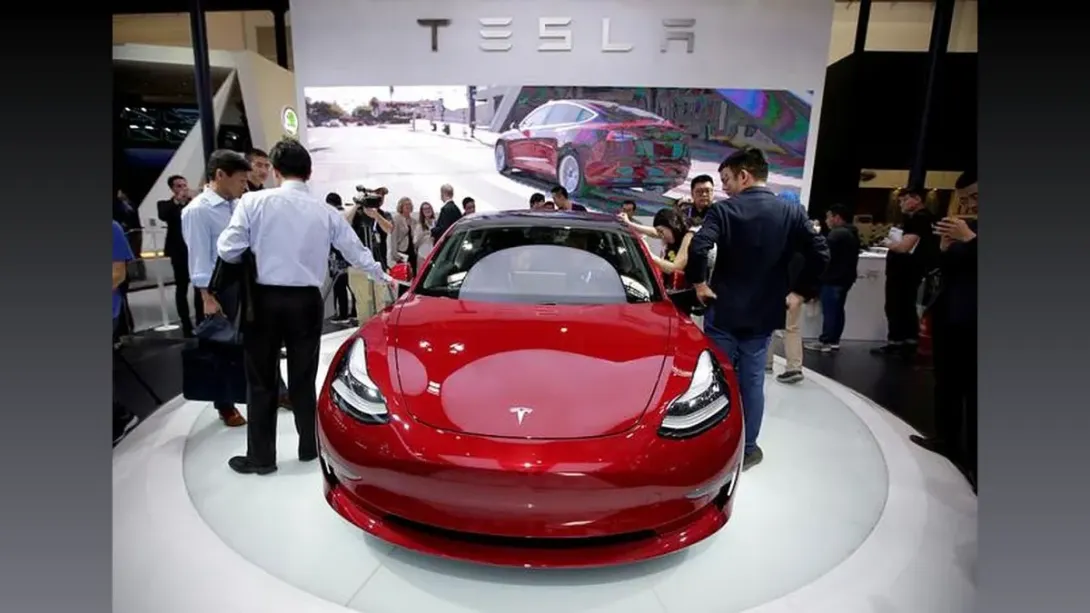
In a major boost to India’s electric mobility landscape, Tesla has received the Regional Transport Office’s (RTO) clearance to commence the sale of its electric vehicles (EVs) in the country. This landmark approval not only allows the American EV giant to officially introduce its premium models to Indian consumers but also signals the beginning of what could become a transformative chapter for the nation’s auto sector. With local manufacturing possibilities on the horizon, Tesla’s entry is expected to invigorate the market, intensify competition, and advance India’s ambitious green energy objectives.
A Regulatory Green Light for Tesla
After years of speculation and prolonged discussions with Indian authorities, Tesla has finally crossed a significant regulatory milestone. The company has secured the necessary RTO certification to sell its EVs in India. This step grants Tesla permission to register and deliver its vehicles across key Indian states, effectively opening the gates to one of the fastest-growing automotive markets in the world.
Industry observers see this as a critical achievement, laying the groundwork for Tesla to roll out its high-performance electric sedans and SUVs—starting with the Model 3 and Model Y. The certification process entailed rigorous assessments to ensure compliance with Indian safety and environmental norms, underscoring Tesla’s commitment to aligning with local standards.
Strategic Timing Amid Shifting Market Dynamics
Tesla’s entry comes at a time when India is actively pushing for a rapid transition toward electric mobility. The government has announced several incentives under schemes such as FAME-II, offering subsidies to both manufacturers and consumers to accelerate EV adoption. Moreover, a rising consciousness around climate change and urban air quality is nudging buyers toward greener alternatives.
By obtaining the RTO’s nod, Tesla positions itself advantageously to tap into this evolving sentiment. While initial offerings will likely be imported, the company has signaled interest in establishing a local manufacturing ecosystem, which could drive down costs and broaden its consumer base over the long term.
Implications for India’s EV Ecosystem
Tesla’s formal arrival is poised to catalyze wider shifts within India’s automotive industry. Domestic manufacturers—who are ramping up their EV portfolios—will now face stiffer competition in the premium segment. This could translate into accelerated innovation, better pricing strategies, and a richer array of choices for Indian consumers.
Additionally, Tesla’s presence may stimulate parallel investments in charging infrastructure, battery supply chains, and advanced component manufacturing. It sends a powerful message to global investors about India’s readiness to embrace next-generation mobility solutions.
Challenges on the Road Ahead
Despite the optimism, Tesla’s India journey is not without obstacles. High import duties—currently hovering around 70% to 100% on fully built cars—could make Tesla’s offerings considerably more expensive than in other markets. Negotiations are reportedly underway to explore duty concessions if Tesla commits to local assembly or manufacturing.
There’s also the challenge of developing a robust charging network, especially beyond major metropolitan areas. For Tesla to achieve meaningful scale, it will need to work closely with state governments and private partners to ensure that infrastructure keeps pace with rising EV demand.
A New Chapter in India’s Green Mobility Story
In many ways, Tesla’s RTO approval marks the start of a consequential era for India’s automotive landscape. It not only enriches the domestic EV market with globally recognized technology but also aligns seamlessly with India’s climate commitments under the Paris Agreement.
For Tesla, this is a strategic bet on a market projected to become the third-largest car economy in the next few years. For India, it is an opportunity to fast-track the shift toward sustainable transport, attract advanced manufacturing, and emerge as a critical node in the global EV value chain.
Comments