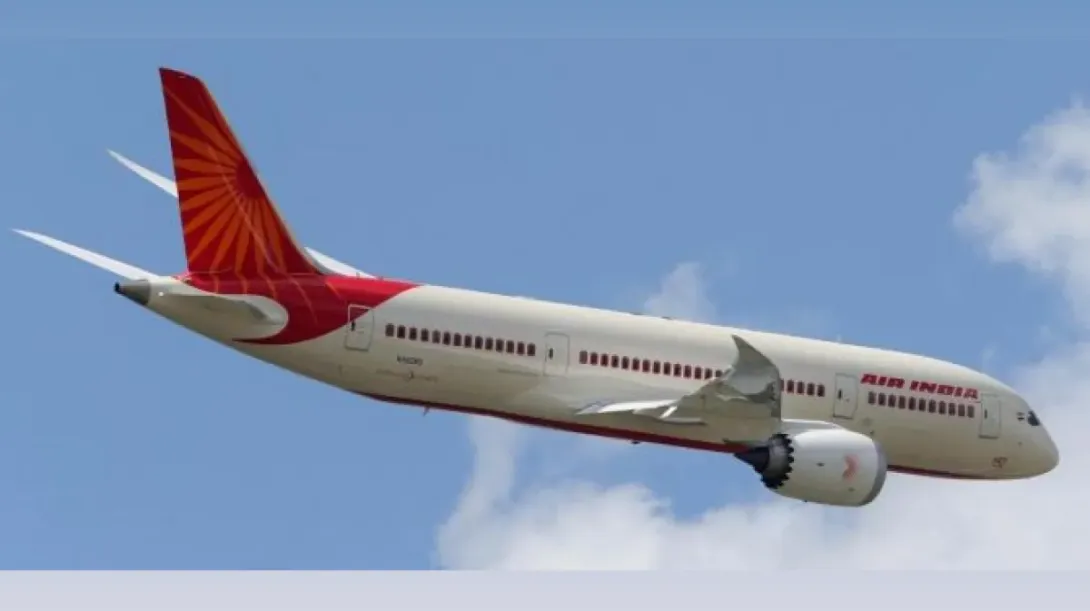
In the wake of a tragic air crash that claimed dozens of lives, investigators have turned to cutting-edge artificial intelligence tools provided by U.S. technology firms to expedite the retrieval and interpretation of flight recorder data. This development underscores a critical shift in aviation accident probes, where advanced algorithms are increasingly deployed to decode complex black box information within days rather than weeks. By dramatically shortening analysis timelines, these AI-driven methods promise not only quicker answers for grieving families and regulators but also vital insights that could enhance safety protocols and prevent similar incidents in the future.
---
Harnessing AI to Decode Critical Flight Data
Following the recent aviation disaster, authorities faced an urgent need to unravel the sequence of cockpit events leading up to the crash. Traditionally, recovering and analyzing flight data recorder (FDR) and cockpit voice recorder (CVR) information has been a laborious process, sometimes stretching over several weeks. However, leveraging sophisticated AI platforms developed by American tech companies, investigators were able to accelerate the decryption and pattern recognition processes, extracting actionable data in a matter of days.
These AI systems employ machine learning models trained on thousands of hours of flight data, enabling them to detect anomalies, cross-reference multiple parameters, and reconstruct in-flight scenarios with remarkable precision. This not only speeds up investigations but also enhances the granularity of insights — pinpointing subtle mechanical or human factors that may have contributed to the tragedy.
---
A Strategic Collaboration Enhancing Global Aviation Safety
The adoption of U.S.-origin AI tools highlights a growing collaboration between international safety agencies and private technology innovators. As modern aircraft generate vast troves of operational data, traditional manual parsing methods are increasingly insufficient to handle the volume and complexity of information embedded in black boxes. By partnering with tech firms specializing in artificial intelligence, aviation regulators are equipping themselves with powerful diagnostic capabilities that can process high-density data streams and flag critical deviations within hours.
This technological synergy is becoming particularly important for countries seeking to align with global best practices in air safety. Faster investigation turnarounds help restore public confidence, facilitate prompt corrective measures, and contribute to updating pilot training or maintenance protocols based on empirical findings.
---
The Human Element: Families, Accountability, and Closure
While AI has transformed the technical side of crash investigations, its impact resonates deeply on a human level. For families awaiting clarity, the prospect of receiving preliminary answers in days rather than enduring prolonged uncertainty brings a measure of solace amid immense grief. Moreover, quicker data analysis allows regulators to issue early safety advisories or ground suspect fleets, averting potential repeat tragedies.
Yet experts caution that even with AI’s speed, thorough validation by human investigators remains indispensable. Algorithms can rapidly sift through data and identify probable causes, but aviation specialists must contextualize these findings within operational realities. This ensures accountability, upholds procedural rigor, and maintains trust in official conclusions.
---
Looking Ahead: A Blueprint for Safer Skies
The integration of AI into black box analysis is more than a technological milestone — it represents an evolving blueprint for proactive aviation safety. As aircraft become increasingly data-rich and global air traffic continues to grow, leveraging artificial intelligence will be central to managing risks and learning from incidents with unprecedented speed and depth.
In the longer term, industry stakeholders anticipate these advancements could even reshape aircraft system designs, enabling predictive diagnostics that detect and rectify faults before they escalate into emergencies. For now, in the somber aftermath of this crash, the synergy of human expertise and AI precision stands as a hopeful testament to how innovation can drive more resilient and secure skies.
Comments