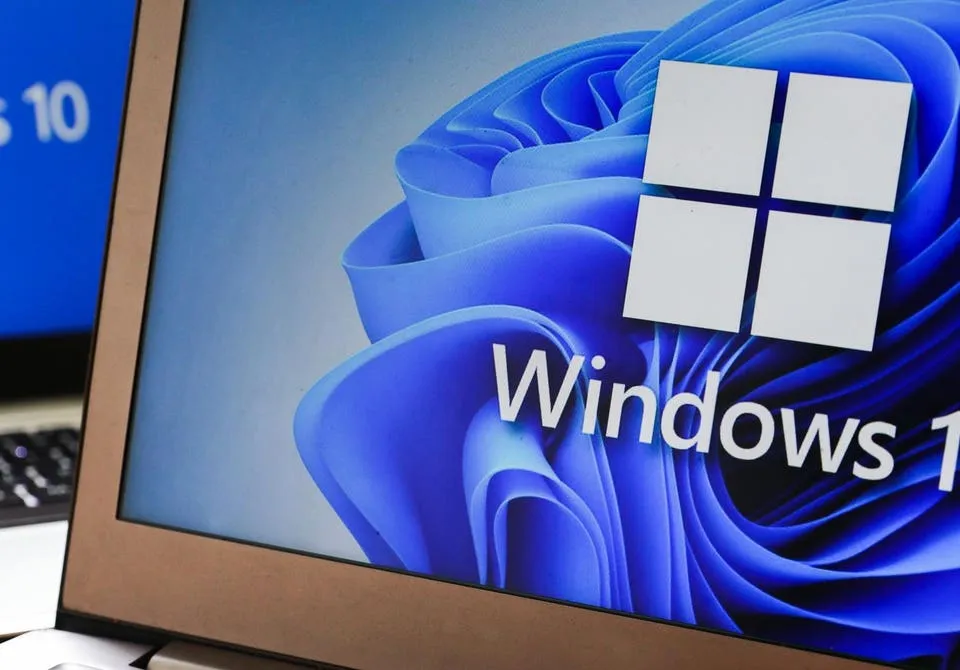
In a move set to benefit millions of users worldwide, Microsoft has officially commenced the rollout of its latest Windows update—available at no cost to existing users. The update promises enhanced performance, robust security features, and a more refined user interface. This free upgrade underscores Microsoft’s broader commitment to creating a unified and continuously evolving operating system ecosystem. By streamlining user access to the latest software improvements, the company aims to strengthen its position in both consumer and enterprise markets while reinforcing trust in the Windows platform's long-term viability.
---
A Seamless Upgrade, Free of Charge
Beginning today, Microsoft is offering the newest version of its Windows operating system as a free update for eligible users. This includes those currently running licensed versions of Windows 10 and Windows 11. The update is being rolled out in phases to ensure system stability and a smooth user experience.
The decision to provide the update without charge marks a continuation of Microsoft’s service-oriented approach, where the operating system is treated as an evolving platform rather than a static product. This not only reduces fragmentation across devices but also ensures that users benefit from the latest security and productivity enhancements without additional cost barriers.
---
Key Features and Performance Enhancements
The latest Windows update introduces a host of improvements, ranging from under-the-hood optimizations to new features designed for both personal and professional use. Performance has been fine-tuned to reduce boot times and improve responsiveness, particularly on older hardware.
Among the standout additions are smarter notifications, improved multitasking capabilities, and enhanced support for AI-driven features—aimed at boosting workflow efficiency. Updates to the native security suite also promise stronger real-time threat detection, better malware resistance, and streamlined device encryption. Collectively, these enhancements are designed to offer users a more fluid, secure, and productive computing experience.
---
Enterprise and Ecosystem Integration
For business users, the update introduces refined integration with Microsoft 365, Azure, and cloud-based identity management systems. This synergy between services allows for centralized control, improved endpoint protection, and smoother collaboration across hybrid work environments.
Additionally, IT administrators will find enhanced deployment tools and system analytics features, enabling more efficient fleet management and reduced downtime. The update further aligns Windows with Microsoft's long-term vision of platform continuity across devices—spanning PCs, tablets, and enterprise workstations.
---
Accessibility and User-Centric Design
Another major focus of the update is accessibility. Microsoft has implemented new tools and improved existing ones to make Windows more inclusive. Screen readers, voice control, and magnification settings now come with higher precision and customization. These changes align with the company’s mission to ensure that all users, regardless of ability, can navigate digital environments with ease and dignity.
The redesigned UI also brings visual consistency, cleaner icons, and customizable themes, enhancing overall user satisfaction and system personalization.
---
Future Outlook
This free Windows update represents more than a software refresh—it’s a strategic signal from Microsoft that its future lies in iterative innovation and user empowerment. By removing the paywall for system upgrades, the company is not only nurturing brand loyalty but also building a more secure and interconnected user base.
The initiative is likely to further cement Microsoft’s dominance in the global OS market, especially as digital workflows and cloud adoption continue to accelerate. As user expectations grow more sophisticated, seamless updates like this one will be critical in maintaining relevance and trust in the tech ecosystem.
Comments