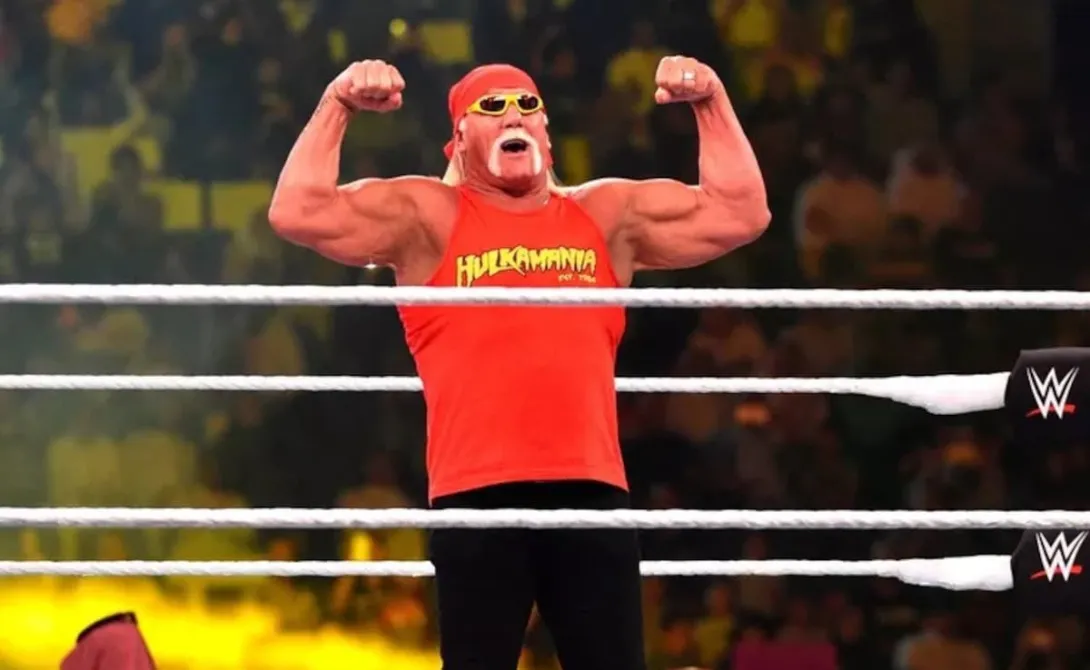
Hulk Hogan, one of the most celebrated figures in professional wrestling history, has died at the age of 71 after suffering a cardiac arrest. A towering symbol of 1980s pop culture and global sports entertainment, Hogan’s charismatic presence and larger-than-life persona defined an era of World Wrestling Entertainment (WWE). His death marks the end of an iconic legacy that transcended the wrestling ring, with profound influence on television, film, and merchandising. As tributes pour in from across the world, fans remember Hogan not just as a champion in the ring, but as a cultural force who redefined modern wrestling.
---
The Passing of a Wrestling Titan
Terry Eugene Bollea, universally known by his ring name Hulk Hogan, passed away at age 71 due to a sudden cardiac arrest. His death brings to a close one of the most illustrious careers in the history of sports entertainment. With his trademark bandana, handlebar mustache, and electric charisma, Hogan symbolized the golden age of wrestling and turned WWE into a global phenomenon.
Sources close to the family confirmed that the wrestler had been battling health complications in recent months, though his passing still came as a shock to fans and colleagues alike. The news has cast a somber tone across the wrestling world, as tributes from past and present WWE superstars flood in.
---
A Career That Redefined the Industry
Hogan rose to prominence in the early 1980s, becoming the face of Vince McMahon’s World Wrestling Federation (WWF, now WWE). His main-event appearances at WrestleMania helped transform wrestling from a niche sport into a mainstream spectacle. Hogan’s matches with legends like André the Giant, Randy Savage, and The Ultimate Warrior remain etched in the memories of millions.
Outside the squared circle, Hogan’s stardom expanded into Hollywood and popular media. He starred in several films, television shows, and commercials, often blurring the lines between entertainment and athleticism. His charisma turned him into a household name, and his brand became synonymous with patriotism, strength, and showmanship.
---
The Human Behind the Hero
While Hogan’s career had its share of triumphs, it also encountered controversy. From legal battles to personal scandals, his public image was at times mired in turbulence. Yet through it all, he remained a deeply influential figure—someone who helped shape professional wrestling into what it is today.
In later years, Hogan made sporadic returns to the WWE, mentoring younger talent and occasionally stepping into the ring for special appearances. Despite declining health, he remained active on social media, frequently interacting with fans and reminiscing about his decades-long journey.
---
Global Legacy and Cultural Impact
Few athletes have left as broad a cultural imprint as Hulk Hogan. He was a merchandising juggernaut, with action figures, t-shirts, and video games bearing his likeness. His catchphrases—“Whatcha gonna do when Hulkamania runs wild on you?”—became rallying cries for a generation of fans.
Beyond the U.S., Hogan’s influence extended into Europe, Asia, and Latin America, where he helped popularize American wrestling. For countless fans around the world, Hulkamania was more than just a gimmick—it was an attitude, a spectacle, and an inspiration.
---
Final Bell for a Wrestling Icon
The passing of Hulk Hogan marks the end of an era, but his legacy will endure in the memories of fans and the history books of sports entertainment. WWE is expected to honor Hogan’s life and contributions through dedicated programming and tributes at upcoming events.
In remembering Hogan, the wrestling community isn't merely mourning a legend—they’re celebrating a pioneer who changed the very fabric of entertainment. His story, complete with highs and lows, is a testament to the enduring power of reinvention, resilience, and charisma.
The final bell may have rung for the Hulkster, but the echoes of Hulkamania will reverberate through the wrestling world for generations to come.
Comments