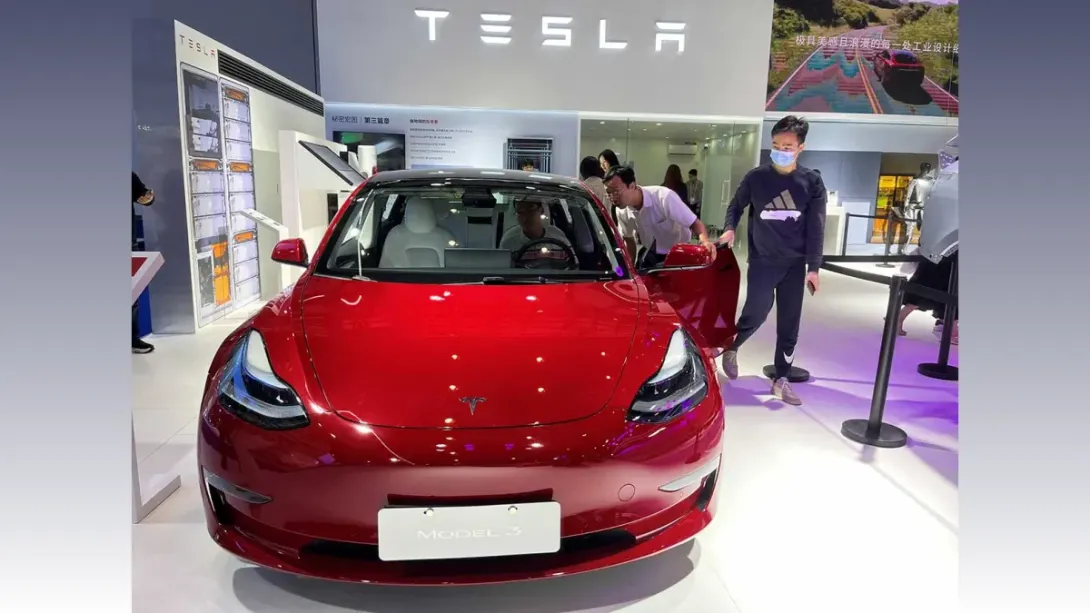
Tesla has officially launched its inaugural supercharging station in India, marking a crucial step in the electric vehicle (EV) giant’s long-anticipated entry into the Indian mobility landscape. The opening not only showcases Tesla's commitment to establishing a foothold in one of the world’s largest automotive markets but also aligns with the Indian government’s push toward sustainable transport infrastructure. As Tesla prepares to deepen its presence, the move is expected to catalyze broader EV adoption, inspire local partnerships, and pave the way for future production, sales, and service networks across the country.
Strategic Market Entry Through Infrastructure
Tesla’s decision to commence operations in India through a supercharging station underscores its methodical approach to market entry. Rather than leading with vehicle sales, the company is prioritizing infrastructure—laying the groundwork for a seamless customer experience. This is particularly significant in a country where range anxiety and insufficient charging networks remain key barriers to EV adoption.
The charging station, equipped with the company’s signature fast-charging technology, offers a preview of Tesla’s premium service ecosystem. While details on the number of ports and location capacity remain limited, the facility is designed to accommodate Tesla vehicles and could eventually expand to support other compatible EVs.
Alignment with India's Clean Mobility Goals
The launch comes at a pivotal time when India is aggressively promoting clean mobility and reducing dependence on fossil fuels. Government incentives, state-level EV policies, and public-private collaborations have created a conducive environment for global EV leaders. Tesla’s entry aligns with this national objective, signaling not just a business expansion, but also a vote of confidence in India’s policy landscape.
The move may also prompt domestic automakers to accelerate innovation in the EV space, intensifying competition and benefiting consumers with more choices and better technology.
Tesla’s India Playbook: A Gradual Buildout
Tesla has long expressed interest in the Indian market but has taken a cautious route due to regulatory hurdles, import duty concerns, and the lack of a robust EV ecosystem. By launching a charging station first, the company is effectively testing the waters while gradually building brand visibility and local familiarity.
Industry observers expect Tesla to follow up with other key milestones—vehicle launches, service center rollouts, and eventually, potential local manufacturing. The supercharger initiative, therefore, may be viewed as the first building block of a larger strategic play aimed at securing long-term market relevance.
Consumer Impact and Competitive Response
The presence of a Tesla charging station could offer a halo effect for India’s premium EV segment. Early adopters and affluent urban consumers, already curious about Tesla’s brand appeal and engineering, may now feel more confident considering a future Tesla purchase, knowing that infrastructure is no longer a theoretical gap.
Meanwhile, domestic EV players and startups might accelerate their charging network investments, fearing a shift in consumer perception and competitive positioning. A heightened focus on convenience, battery efficiency, and charging access is likely to emerge across the industry.
Conclusion: A High-Voltage Beginning
Tesla’s first EV charging station in India is more than a corporate milestone—it represents a calculated bet on the subcontinent’s evolving mobility future. As the EV landscape matures, Tesla’s strategic entry through infrastructure rather than sales could prove prescient, giving it a head start in market preparation and consumer trust-building.
For India, the development reinforces its global relevance in the clean energy transition and signals that global EV leaders are finally taking notice—not just of its vast consumer base, but of its growing infrastructure readiness.
Comments