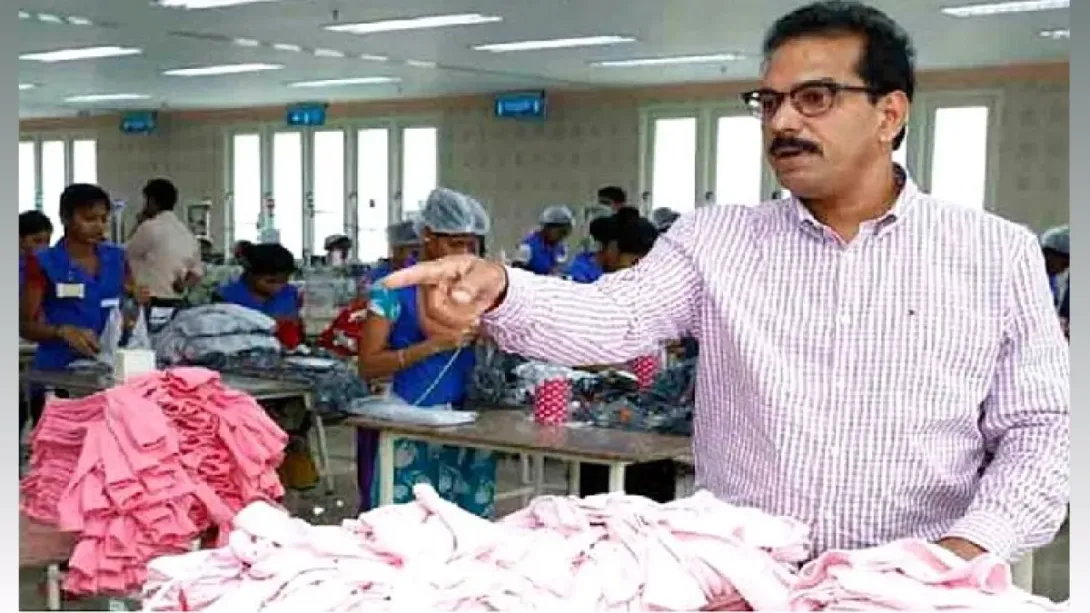
Kerala-based Kitex Garments, renowned for its infant clothing exports, has introduced its Little Star babywear brand to the Indian market. Targeting modern, value-conscious parents, the new collection features soft fabrics, eco-friendly materials, and contemporary designs tailored to a diverse domestic demographic. This move aligns with the rising demand for affordable, high-quality baby apparel among India’s burgeoning urban and tier‑2 consumer segments. With its robust manufacturing infrastructure and supply-chain expertise, Kitex aims to establish Little Star as a mainstream brand in a competitive sector driven by convenience, trust, and premium appeal.
Kitex Enters Domestic Arena with Established Credibility
Kitex’s foray into India’s retail segment through Little Star marks a strategic shift from its longstanding focus on exports. Leveraging decades of experience in manufacturing and global supply chains, the company is seeking to convert its operational strength into brand equity by addressing evolving homegrown demand.
Product Proposition: Quality, Sustainability, and Value
The Little Star collection centers on premium fabrics, including organic cotton and hypoallergenic blends, paired with safe and stylish designs. Positioned in the mid‑premium category, the range caters to parents who seek superior product quality without disproportionately high pricing. Kitex's vertical integration promises cost efficiencies, allowing it to deliver competitive pricing while adhering to stringent quality protocols.
Efficient Distribution via Omni-Channel Strategy
To ensure wide visibility and availability, Kitex plans a comprehensive distribution strategy. Products are slated for launch across e-commerce marketplaces, hypermarkets, and select standalone stores. The company’s in-house logistics infrastructure will enable agile fulfillment and expand reach into tier‑2 and tier‑3 cities where organized babywear options remain limited.
Market Dynamics Fuel Opportunity for Growth
With India’s infant population growing and dual-income households rising, demand for functional and fashionable baby apparel has expanded notably. Urban parenthood is increasingly influenced by global trends, driving preferences toward sustainable and stylish choices. Little Star taps into this zeitgeist, positioning itself as both contemporary and conscientious. The preschool apparel sector, estimated to grow at double-digit rates, offers ample runway for Kitex to scale rapidly.
Strategic Implications and Forward Outlook
Kitex’s introduction of Little Star reflects broader trends in Indian retail, where trusted manufacturers are entering consumer-facing segments with branded offers. By doing so, it retains greater control over revenue, brand perception, and customer data. Success will hinge on brand building, while sustaining product standards, ensuring affordability, and effectively reaching diverse consumer pockets.
Conclusion
Kitex’s launch of Little Star babywear signals a nuanced reimagining of its growth trajectory. Armed with manufacturing acumen and quality assurance, the company is poised to become a notable player in India’s family retail space. If it navigates brand elevation, distribution scalability, and consumer trust adeptly, Little Star might well become a staple in Indian homes across geographies.
Comments