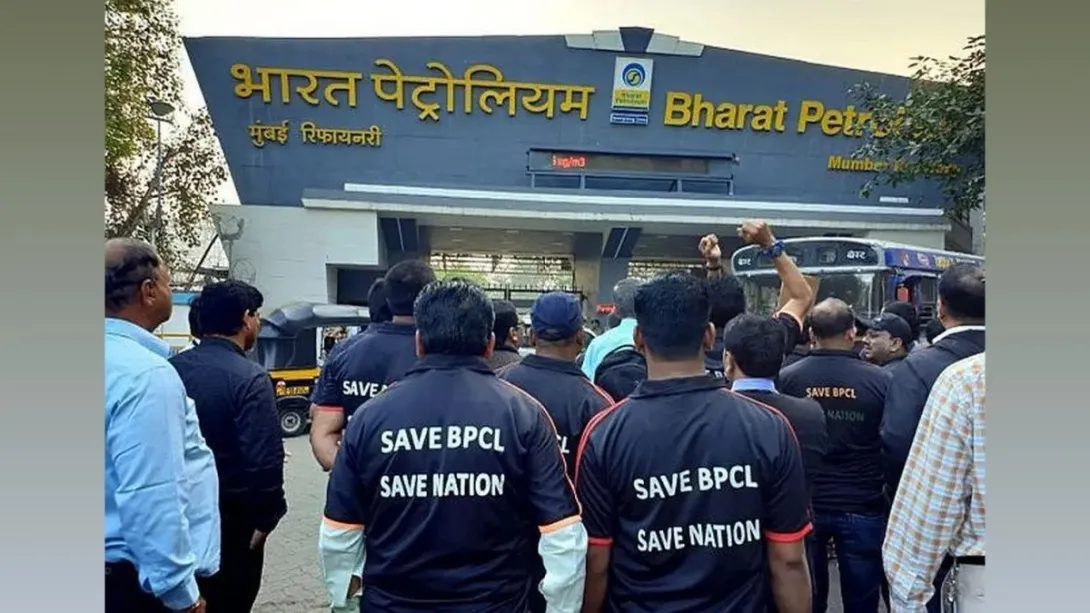
Bharat Petroleum Corporation Limited (BPCL) and Oil India Limited (OIL) have announced a strategic partnership to develop city gas distribution (CGD) networks in Arunachal Pradesh. The collaboration aims to strengthen energy accessibility in the northeastern state by providing cleaner fuel alternatives such as piped natural gas (PNG) for households and compressed natural gas (CNG) for vehicles. This initiative not only aligns with India’s vision of increasing natural gas in its energy mix but also underscores the growing focus on sustainable infrastructure development in frontier regions.
Expanding Energy Access in the Northeast
The joint venture between BPCL and OIL is designed to support the government’s target of achieving a “gas-based economy.” By extending CGD infrastructure to Arunachal Pradesh, the companies intend to bridge the gap in energy supply and reduce dependency on traditional fuels. The move is particularly significant given the logistical challenges of energy delivery in the Northeast, where terrain and infrastructure constraints have historically slowed the adoption of cleaner fuel solutions.
The project is expected to cover major urban centers of Arunachal Pradesh, gradually scaling up to smaller towns and peri-urban areas. PNG connections for households and industries are anticipated to reduce reliance on LPG cylinders, while the availability of CNG will encourage a transition toward cleaner mobility options.
Strategic Alignment with National Priorities
India has been steadily working to raise the share of natural gas in its primary energy basket from the current 6–7 percent to 15 percent by 2030. This joint venture is in line with that ambition, complementing policy measures such as the expansion of CGD bidding rounds and regulatory incentives for energy diversification.
For BPCL, a Fortune 500 company with an established presence in fuel distribution, this partnership strengthens its footprint in the eastern corridor. For OIL, headquartered in Assam, the initiative deepens its role in supporting regional energy transition while leveraging its operational familiarity with the Northeast.
Economic and Environmental Impact
The deployment of CGD networks in Arunachal Pradesh is expected to generate employment opportunities, spur investment in ancillary industries, and enhance industrial competitiveness through reliable access to cleaner fuels. Moreover, natural gas distribution aligns with India’s decarbonization goals by reducing greenhouse gas emissions from conventional fuels.
Industry analysts point out that expanding CNG availability in the Northeast could accelerate the adoption of green mobility solutions, especially among commercial fleets and public transport operators. At the household level, PNG access offers a more convenient and cost-effective alternative compared to traditional LPG cylinders.
A Step Toward Inclusive Growth
The BPCL-OIL venture signifies more than just an energy infrastructure project; it reflects a broader push for inclusive development in the Northeast. By investing in modern, sustainable energy solutions, the initiative underscores the government’s commitment to integrating frontier states into India’s growth trajectory.
As the CGD rollout progresses, Arunachal Pradesh could emerge as a model for energy transition in remote geographies, demonstrating how collaborative ventures between public sector giants can align commercial viability with national priorities.
Comments