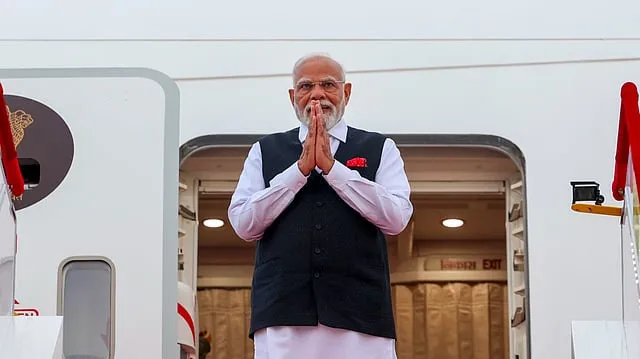
Severe floods have wreaked havoc across Himachal Pradesh and Punjab, displacing thousands, damaging infrastructure, and inflicting heavy losses on agriculture and livelihoods. Prime Minister Narendra Modi began his official visit to the affected regions, pledging unwavering support from the Centre to aid recovery and rehabilitation. His assurance reflects the government’s intention to mobilize financial, logistical, and institutional resources to restore normalcy while prioritizing immediate relief for the affected population. The visit underlines both the humanitarian imperative and the broader challenge of strengthening disaster preparedness in India’s climate-vulnerable regions.
Central Government’s Commitment to Relief
During his visit, Prime Minister Modi emphasized that the Centre stands firmly with citizens impacted by the floods. He reiterated that the government will ensure the swift release of necessary funds and facilitate coordination with state authorities to expedite rescue, relief, and rehabilitation operations. His remarks highlight the federal government’s readiness to step in during natural calamities and reinforce the principle of shared responsibility between states and the Centre.
Scale of Damage and Immediate Challenges
The floods have led to extensive damage in both Himachal Pradesh and Punjab. In Himachal, landslides and flash floods have cut off several districts, disrupting connectivity and halting economic activities. Punjab, on the other hand, has seen large tracts of farmland submerged, threatening the livelihoods of farmers and adding to concerns about food security. Restoring transportation links, reviving agriculture, and ensuring access to healthcare and shelter for displaced families remain pressing challenges.
Government Measures and Long-Term Outlook
The Prime Minister’s assurance of central support goes beyond immediate relief, as it also raises expectations of a comprehensive rehabilitation package. Beyond financial assistance, the government is expected to deploy specialized teams from the National Disaster Response Force (NDRF), armed forces, and technical experts to assist with restoration work. The crisis also underscores the urgency of investing in resilient infrastructure, early warning systems, and flood management projects to mitigate the impact of such disasters in the future.
Humanitarian and Economic Implications
The floods highlight a recurring pattern of climate-induced disasters in northern India, with significant humanitarian and economic consequences. While immediate relief remains the priority, policymakers must also balance short-term measures with structural reforms aimed at climate adaptation. The disaster serves as a reminder that economic growth and infrastructure development must be aligned with sustainable planning to minimize vulnerabilities.
Comments