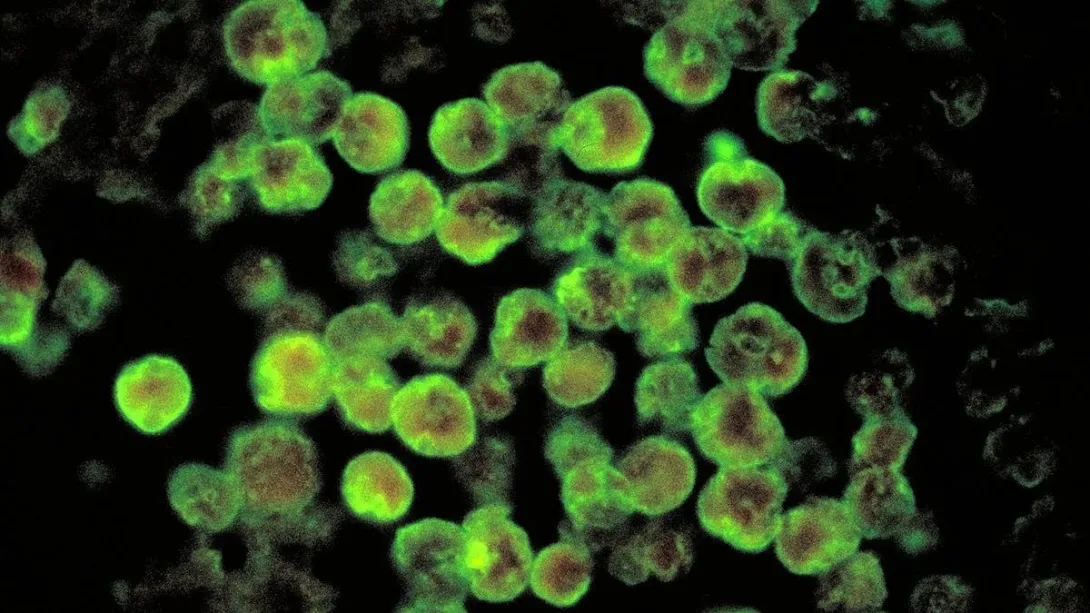
Kerala has reported its sixth fatality from amoebic meningoencephalitis within a month, intensifying public health concerns over the rare but deadly “brain-eating amoeba.” The latest victim, a young patient undergoing treatment in a state hospital, succumbed despite intensive medical efforts. Health authorities confirmed that the cases are caused by Naegleria fowleri, an amoeba commonly found in warm freshwater sources, which infects individuals through the nasal passage and attacks brain tissue. The recent surge in fatalities has prompted urgent discussions on water safety, awareness campaigns, and enhanced medical preparedness to combat this emerging health challenge in the state.
Understanding the Infection
Amoebic meningoencephalitis, caused by Naegleria fowleri, is an exceptionally rare but almost always fatal infection. The parasite typically enters the body when contaminated water is inhaled through the nose during activities such as bathing, swimming, or ritual cleansing. Once inside, it travels to the brain, leading to severe inflammation and rapid tissue destruction. Early symptoms mimic common infections—headaches, fever, nausea—making early diagnosis difficult. As the disease progresses, it triggers seizures, altered mental states, and, in most cases, death within days.
The Situation in Kerala
The cluster of six deaths within a month has alarmed public health officials, who are now tracing the origin of exposure and examining water sources in affected districts. Kerala’s warm climate and reliance on natural water bodies for daily use increase vulnerability. Health authorities are conducting awareness drives to educate residents about the risks of swimming or bathing in untreated freshwater. Hospitals have also been instructed to remain vigilant for early symptoms, though treatment options remain limited and outcomes are often poor.
Public Health Response
The state government has deployed rapid response teams to test water quality in affected areas and to identify potential contamination points. Preventive guidelines are being disseminated, urging people to avoid immersing their heads in unchlorinated or stagnant water and to maintain personal hygiene while handling water. While chlorination and proper water treatment can eliminate the amoeba, gaps in infrastructure and public awareness continue to pose challenges. The health department has also reached out to national-level experts for guidance in managing the situation.
Broader Implications
Although Naegleria fowleri infections are extremely rare, their high fatality rate underscores the need for systemic intervention. Kerala’s recent spike raises critical questions about water management, climate resilience, and preparedness against lesser-known pathogens. Experts warn that rising temperatures and greater human interaction with natural water bodies may increase the risk of such infections in the future. For policymakers, the outbreak highlights the urgency of integrating microbial safety into broader water security strategies.
Looking Ahead
As Kerala mourns another life lost, the immediate focus remains on prevention through awareness, safe water practices, and early medical intervention. However, the outbreak serves as a sobering reminder of the unpredictable threats lurking in the environment and the pressing need for resilient public health systems. Unless robust preventive measures are put in place, the state could face recurring health emergencies that strain both resources and public confidence.
Comments