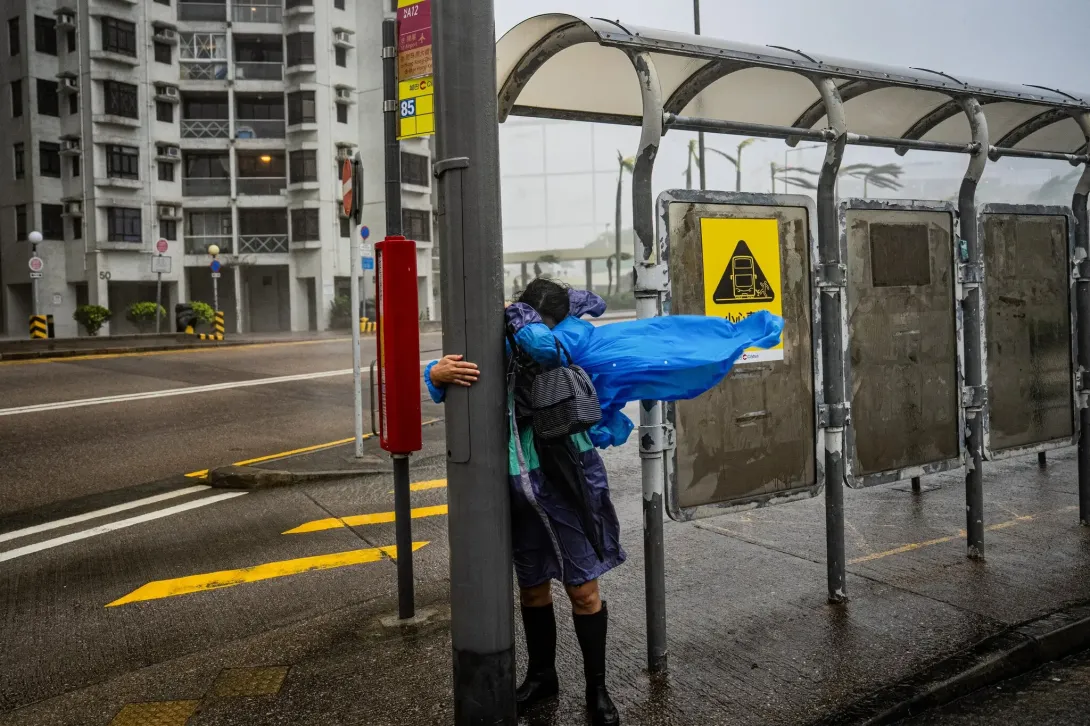
Super Typhoon Ragasa has struck Taiwan with unprecedented intensity, unleashing torrential rains and ferocious winds that have triggered widespread flooding, landslides, and infrastructure damage. Authorities report severe disruptions to transportation networks, power outages affecting hundreds of thousands of residents, and urgent rescue operations underway in the hardest-hit regions. The typhoon’s impact has prompted the government to activate emergency response protocols, including evacuation orders and relief distribution. Meteorologists warn that additional rainfall could exacerbate existing hazards, heightening the risk of further displacement and economic losses. This event underscores Taiwan’s vulnerability to climate-induced extreme weather events and the urgency of disaster preparedness.
Typhoon Path and Intensity
Ragasa, classified as a super typhoon, intensified rapidly before making landfall in eastern Taiwan, with sustained winds exceeding 200 km/h and gusts reaching higher thresholds. The storm’s trajectory caused massive rainfall accumulation, particularly in low-lying and mountainous areas, resulting in flash floods and landslides. Coastal regions experienced storm surges that further compounded flooding risks, while urban areas faced severe inundation of streets, public transport hubs, and residential neighborhoods.
Humanitarian and Infrastructure Impact
The typhoon’s destructive force has severely affected communities across Taiwan:
- Power Outages: Over 400,000 households have reported electricity disruptions, hindering communication and emergency response.
- Transportation Disruptions: Railways, highways, and airports face closures and delays due to floodwaters and debris.
- Property Damage: Thousands of homes and commercial establishments have sustained structural damage.
- Evacuations: Tens of thousands of residents have been relocated to temporary shelters to avoid life-threatening conditions.
Local authorities have deployed emergency personnel and resources to support rescue operations, provide food and medical supplies, and clear obstructed roads.
Economic and Environmental Implications
Super Typhoon Ragasa is expected to cause significant economic strain:
- Agricultural Losses: Crops, particularly rice and tea plantations, are at risk of substantial damage.
- Business Disruption: Flooded industrial zones and commercial centers could impact supply chains and revenue streams.
- Infrastructure Repair Costs: Rebuilding damaged roads, bridges, and public utilities may require extensive public expenditure.
Experts also warn of long-term environmental consequences, including soil erosion, contamination of water sources, and habitat disruption.
Government Response and Preparedness Measures
Taiwan’s Central Weather Bureau and disaster management authorities have activated contingency plans, including:
- Continuous monitoring and issuing of weather advisories.
- Mandatory evacuations in high-risk flood-prone zones.
- Deployment of emergency services for search, rescue, and relief operations.
- Coordination with local municipalities to provide essential supplies and temporary shelter.
Authorities emphasize public adherence to safety protocols and caution residents to avoid unnecessary travel until conditions stabilize.
Global Context and Climate Considerations
Super Typhoon Ragasa adds to the growing list of extreme weather events influenced by climate change, highlighting the need for resilient infrastructure and proactive disaster management. Scientists note that rising sea surface temperatures and atmospheric changes contribute to the increased intensity of tropical cyclones, amplifying their destructive potential.
Conclusion
Super Typhoon Ragasa has underscored Taiwan’s vulnerability to severe weather events, causing substantial human, economic, and infrastructural impacts. Immediate relief efforts are crucial to mitigate casualties and support affected communities. As climate volatility intensifies globally, the imperative for robust disaster preparedness, resilient urban planning, and sustainable environmental strategies becomes increasingly urgent. Taiwan’s response and recovery in the coming weeks will serve as a vital case study in managing extreme weather phenomena effectively.
Comments