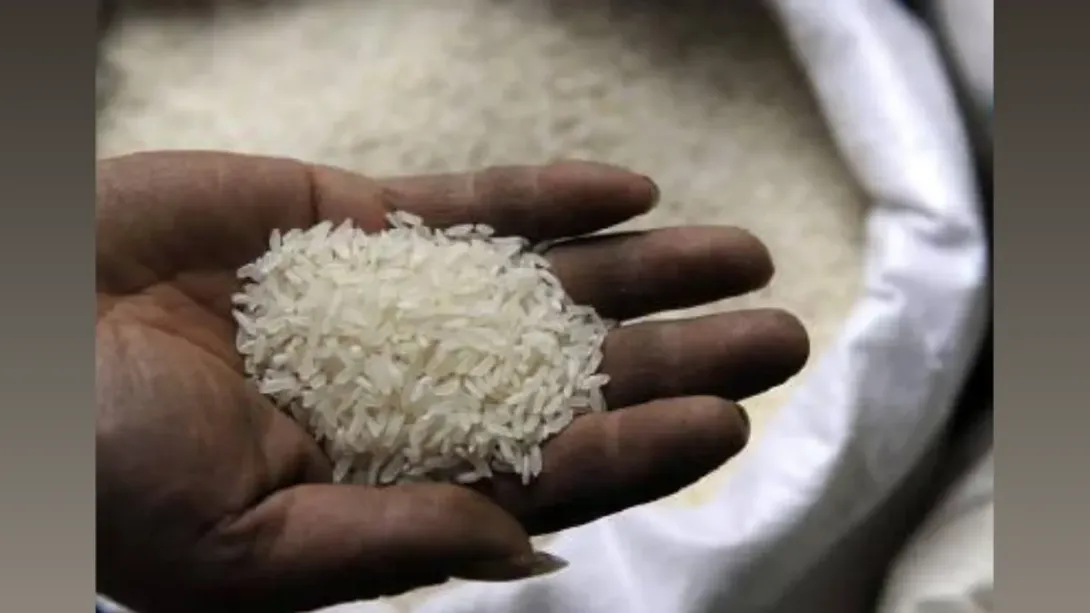
India’s rice sector, long dominated by premium basmati exports, is seeing a renewed push toward strengthening non-basmati shipments through revised registration protocols under the Agricultural and Processed Food Products Export Development Authority (APEDA). With simplified compliance requirements, exporters can now secure APEDA registration more efficiently, ensuring smoother participation in international trade. This regulatory development is expected to enhance India’s competitiveness in the global rice market, support farmers, and diversify export revenues. The move reflects the government’s broader ambition to balance food security with agricultural growth and to solidify India’s role as a major global rice supplier.
---
Expanding India’s Rice Export Landscape
India is the world’s largest rice exporter, holding a commanding share in global trade. While basmati rice has traditionally been its flagship variety, non-basmati rice constitutes a significant portion of overall shipments, catering to price-sensitive markets across Africa, Asia, and the Middle East. The government’s decision to streamline APEDA registration for non-basmati exporters underscores a strategic effort to unlock further value from this segment.
Non-basmati rice is not only a staple for domestic consumption but also a major export earner. By simplifying the registration process, authorities aim to lower bureaucratic hurdles and enable exporters—particularly small and medium enterprises—to participate more actively in international markets.
---
The Role of APEDA
APEDA, established under the Ministry of Commerce and Industry, serves as the nodal body for promoting agricultural exports. Registration with APEDA is mandatory for all exporters of scheduled products, including rice. The recent emphasis on non-basmati rice exporters ensures that compliance becomes less cumbersome and more business-friendly, reducing delays and transaction costs.
Once registered, exporters benefit from a wide range of APEDA services, including market intelligence, quality certifications, participation in international trade fairs, and financial assistance for brand promotion. This creates a robust framework for exporters to compete globally while adhering to international quality standards.
---
Economic and Trade Implications
Non-basmati rice exports contribute substantially to India’s foreign exchange earnings. With global demand rising amid shifting dietary patterns and supply chain disruptions in competing countries, India is well-positioned to strengthen its foothold. The improved registration mechanism not only broadens the exporter base but also helps stabilize the supply chain, giving farmers access to better prices through international markets.
Furthermore, streamlined registration ensures greater transparency in export data, aiding policymakers in making informed decisions. It also strengthens traceability, a factor increasingly demanded by global buyers concerned with food safety and sustainability.
---
A Balanced Approach
While the government’s focus on expanding non-basmati exports is economically significant, it must be balanced against domestic food security needs. Rice is central to India’s public distribution system, and export surges could create upward pressure on local prices. Policymakers will need to strike a delicate balance between supporting farmers through export opportunities and ensuring affordable availability for domestic consumers.
---
Outlook
The streamlined APEDA registration for non-basmati rice exporters is more than a procedural reform—it is a strategic step toward enhancing India’s agricultural trade footprint. By reducing entry barriers for exporters, strengthening quality assurance, and aligning with global demand trends, the move promises to amplify India’s share in the rice trade while supporting millions of farmers. If complemented by prudent policy management, this initiative could prove pivotal in cementing India’s reputation as a reliable and diversified supplier in the global food economy.
Comments