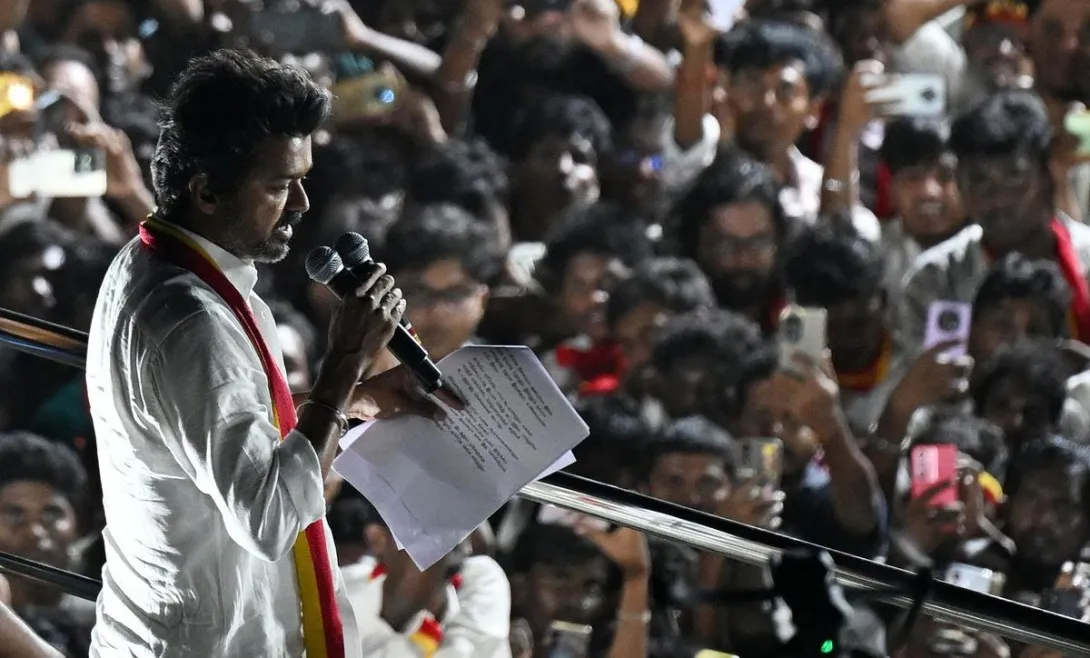
The Madras High Court is set to hear on October 27 all pending cases related to the tragic Karur stampede, which claimed several lives earlier this year. The court’s consolidated hearing aims to examine administrative accountability, crowd management lapses, and the implementation of safety protocols during public gatherings. The incident, which sparked widespread debate on civic preparedness and event oversight, has now reached a crucial judicial stage. This hearing will not only assess official responsibility but also determine preventive frameworks to avoid similar tragedies in the future—marking a significant moment for public safety jurisprudence in Tamil Nadu.
---
Background: The Tragedy That Shocked Tamil Nadu
The Karur stampede, which occurred during a public event earlier this year, left the state in mourning. The tragic loss of lives highlighted serious lapses in crowd control and administrative planning. Initial investigations revealed that inadequate crowd monitoring, insufficient emergency measures, and the absence of clear exit routes contributed to the incident.
Authorities faced sharp criticism from civil society and opposition leaders, demanding a comprehensive probe into whether negligence played a role. The Madras High Court, taking suo motu cognizance of the issue, emphasized the need for accountability and systemic reform in managing large-scale public gatherings.
---
Court’s Consolidated Hearing on October 27
The High Court’s decision to hear all stampede-related petitions collectively on October 27 underscores the importance of streamlining judicial review. By consolidating multiple cases, the court aims to ensure a coordinated assessment of evidence, witness statements, and official reports submitted by various departments.
Key areas expected to come under scrutiny include:
The sequence of administrative actions before and after the incident.
The role of local authorities in granting permissions and overseeing public safety.
The adequacy of police and disaster response mechanisms in place during the event.
Legal experts anticipate that the hearing may also explore compensation frameworks for victims’ families and directives for improved safety standards at mass gatherings.
---
Accountability and Public Safety Concerns
The Karur incident has reignited debate on public event management in India, where large gatherings often occur without adequate safety infrastructure. Questions have been raised regarding the compliance of event organizers with established protocols under the Tamil Nadu Public Safety Act.
Legal observers believe that the case could set an important precedent. If the court identifies institutional negligence, it may direct stricter enforcement of event safety laws, mandatory audits, and greater inter-agency coordination between police, district administrations, and disaster management authorities.
Public safety analysts also stress that recurring stampede incidents point to a deeper governance issue—where crowd psychology, risk mapping, and emergency drills are often overlooked in planning.
---
Human Impact and Compensation Measures
Beyond legal accountability, the Karur tragedy left a lasting emotional and economic impact on the victims’ families. The state government has reportedly provided ex gratia relief to affected households, though questions remain about the adequacy and speed of compensation.
Human rights advocates have urged the court to ensure equitable and timely relief, while recommending a long-term rehabilitation plan for dependents. They argue that justice should extend beyond compensation—encompassing institutional reforms to protect citizens during public gatherings.
---
Legal and Administrative Implications
The upcoming hearing is expected to serve as a pivotal moment in defining how Tamil Nadu, and potentially other states, approach risk governance. Legal experts suggest that the High Court could:
1. Mandate pre-event safety certifications for all large gatherings.
2. Direct authorities to implement real-time crowd monitoring systems using technology.
3. Recommend emergency response training for district-level officers and volunteers.
Such judicial interventions could transform administrative practices, reinforcing that accountability and preventive measures must evolve alongside social and technological changes.
---
Looking Ahead
As the Madras High Court convenes on October 27, the focus will not only be on identifying lapses but also on setting a judicial benchmark for public safety management. The court’s observations may influence future policy frameworks governing civic events across the state.
For Tamil Nadu, this hearing represents both a legal reckoning and a chance to rebuild public trust through transparent governance and effective safety mechanisms. The outcome could well determine whether lessons from Karur lead to genuine reform—or remain another chapter in India’s long struggle with event-related tragedies.
Comments