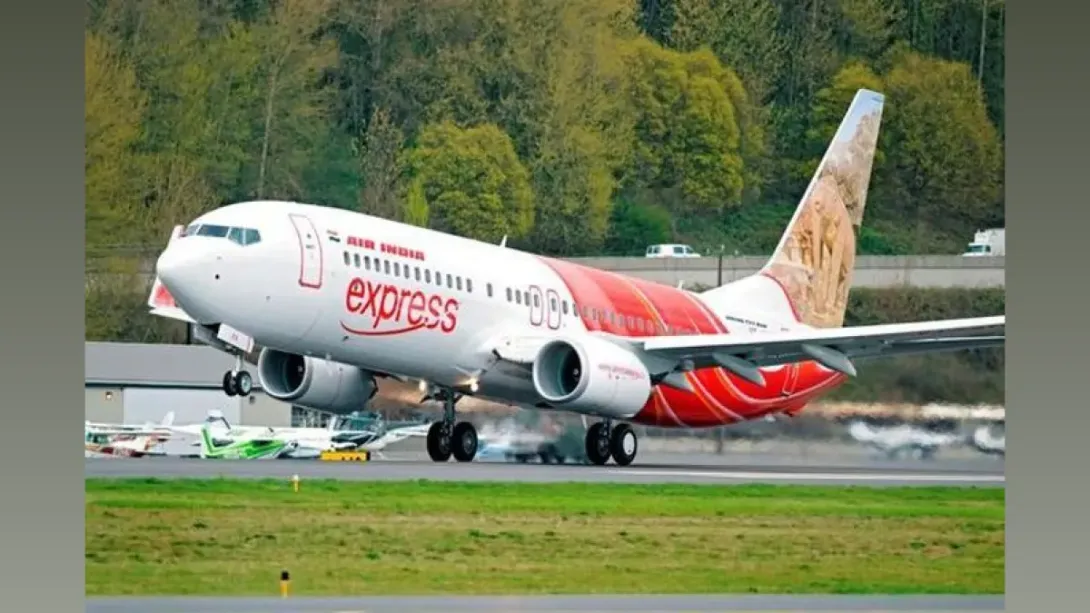
Air India Express, the low-cost arm of the Tata Group-owned Air India, is entering a new phase of growth and investment as it expands its domestic and international operations. Following its merger with AIX Connect (formerly AirAsia India), the airline is pursuing a fleet upgrade, network expansion, and service modernization strategy. This transformation aligns with the Tata Group’s broader vision to position Air India as a globally competitive carrier while ensuring Air India Express remains the preferred choice for value-conscious travelers. The ongoing investments underscore the airline’s pivotal role in India’s rapidly evolving aviation ecosystem.
Fleet Expansion and Modernization Strategy
Air India Express is undergoing one of its most ambitious fleet expansion programs to date. The airline has already begun inducting new Boeing 737 MAX aircraft, designed for improved fuel efficiency, range, and passenger comfort. These new planes will gradually replace older aircraft, significantly enhancing operational reliability and cost competitiveness.
According to executives, the airline’s modernization strategy centers on building a unified, fuel-efficient fleet capable of supporting both short-haul and medium-haul routes. The new aircraft, equipped with advanced flight systems and upgraded cabin features, reflect the carrier’s long-term commitment to sustainability and passenger experience.
This expansion aligns with Air India’s parent company’s broader transformation plan—Vihaan.AI, which focuses on modernization, network realignment, and a seamless travel experience across all Tata Group airlines.
Merger Synergy with AIX Connect
A major milestone in Air India Express’s evolution was its merger with AIX Connect (formerly AirAsia India), completed under the Tata Group’s strategic aviation consolidation. The integration aims to create a strong, unified low-cost carrier (LCC) capable of competing effectively with established players such as IndiGo and Akasa Air.
The merger has already produced tangible operational benefits, including optimized flight scheduling, route rationalization, and cost efficiencies. It also provides Air India Express with access to a wider domestic network and better connectivity to secondary cities—allowing the airline to funnel passengers seamlessly into Air India’s full-service international routes.
Additionally, the merged entity’s shared backend operations, common reservation systems, and standardized crew training programs have improved operational coherence while maintaining cost discipline—a crucial advantage in India’s price-sensitive aviation market.
Network Expansion and Strategic Growth Plans
With India’s air travel market witnessing robust post-pandemic recovery, Air India Express is aggressively expanding its route network, focusing on high-demand domestic sectors and lucrative short-haul international destinations.
The airline is increasing frequencies to key Middle Eastern destinations, including Dubai, Abu Dhabi, Doha, and Muscat—regions with a large Indian diaspora and consistent travel demand. Domestically, it has strengthened its presence in tier-2 and tier-3 cities, where demand for affordable air travel continues to rise amid expanding regional connectivity programs.
Industry observers note that Air India Express’s **hybrid model—offering low-cost efficiency with select full-service elements—**could become a competitive differentiator. With increased digital integration, flexible pricing, and onboard upgrades, the airline aims to balance affordability with enhanced customer experience.
Investment in Technology and Customer Experience
As part of the Tata Group’s broader aviation digitization push, Air India Express is investing heavily in technology integration, data-driven operations, and personalized customer engagement tools.
Recent initiatives include a revamped website and mobile app, offering improved booking functionality, dynamic seat selection, and ancillary service options such as priority boarding and meal customization. The airline is also deploying AI-driven systems for predictive maintenance, crew management, and flight operations—ensuring higher efficiency and reduced downtime.
Furthermore, the carrier is enhancing its digital loyalty ecosystem, enabling customers to earn and redeem points seamlessly across the Tata aviation network, including Air India and Vistara.
Financial Outlook and Industry Context
The ongoing investments in fleet, infrastructure, and digital platforms reflect Air India Express’s determination to capture a larger share of India’s fast-growing low-cost travel segment. Analysts estimate that the low-cost carrier (LCC) market accounts for over 75% of India’s domestic traffic, positioning Air India Express strategically to benefit from this structural demand.
While profitability remains a challenge due to fluctuating fuel prices and intense competition, the airline’s integration with Air India provides it with economies of scale and stronger financial backing, ensuring resilience in a highly dynamic sector.
Moreover, the government’s push for regional connectivity and rising outbound travel demand from smaller cities are expected to support the carrier’s growth trajectory.
The Road Ahead
As Air India Express scales its operations, it is poised to play a crucial role in Air India Group’s multi-brand aviation strategy, catering to distinct market segments while maintaining operational synergy. The carrier’s expansion into new routes, modern fleet induction, and focus on digital transformation indicate a future-ready approach that blends cost-efficiency with elevated passenger experience.
Industry experts believe that if the airline sustains its current pace of growth and innovation, it could emerge as a formidable pan-Asian low-cost carrier, reinforcing India’s position as one of the world’s fastest-growing aviation markets.
Conclusion
Air India Express’s transformation symbolizes the Tata Group’s larger ambition to redefine India’s aviation sector through modernization, efficiency, and customer-centric innovation. With its robust investment strategy, strategic merger integration, and expanding footprint, the airline stands at the cusp of a new era—one that bridges affordability with quality and positions it as a key pillar in the evolving global footprint of the Air India Group.
Comments