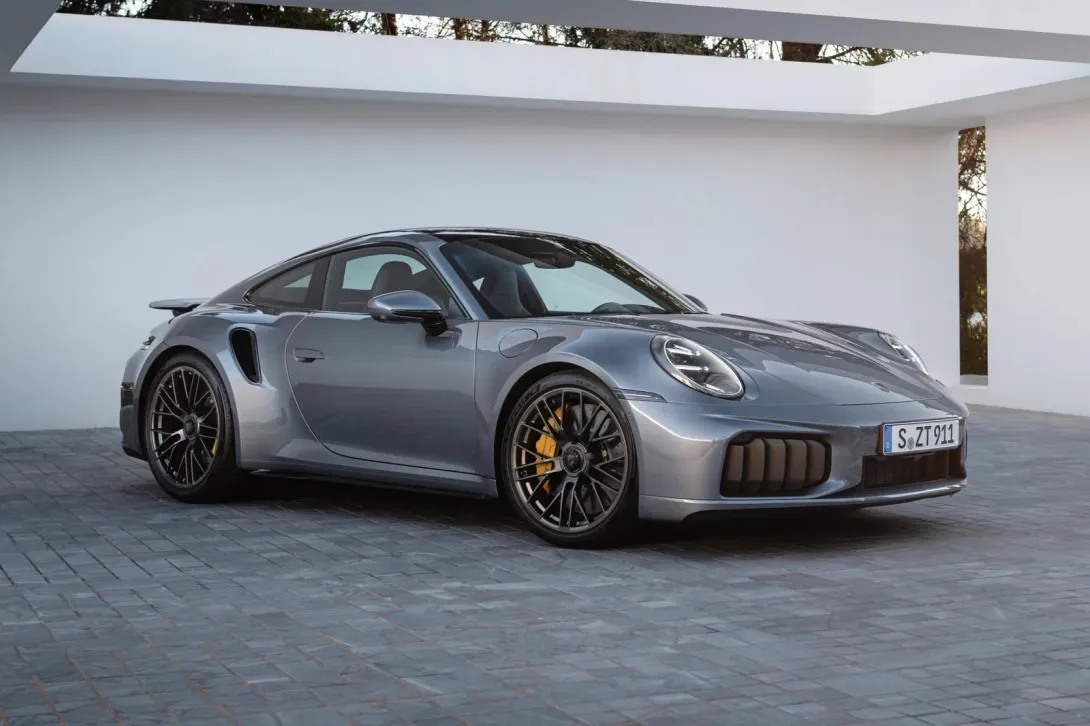
Porsche has officially unveiled the latest evolution of its iconic 911 Turbo S, introducing hybrid technology for the first time in the model’s storied history. This groundbreaking development signals a new era for high-performance sports cars, blending electrification with the brand’s legendary engineering. The hybrid 911 Turbo S promises enhanced speed, improved efficiency, and a more sustainable approach to luxury performance. As governments tighten emission regulations and consumer preferences shift toward eco-conscious mobility, Porsche’s bold move positions the company at the forefront of innovation in the competitive global sports car market.
A Historic Leap for Porsche
The introduction of hybrid technology into the 911 Turbo S represents a watershed moment for Porsche. Known for precision engineering and raw performance, the 911 has been a symbol of automotive excellence for six decades.
By integrating electrification, Porsche is not merely adapting to regulatory pressures but actively shaping the future of high-performance vehicles. This move mirrors the company’s broader strategy, which includes the fully electric Taycan and upcoming EV models, reinforcing its commitment to innovation without compromising driving pleasure.
Performance Meets Efficiency
Porsche’s engineering team has designed the hybrid 911 Turbo S to enhance performance rather than simply reduce emissions.
Key performance highlights include:
Twin-Turbocharged Flat-Six Engine: Delivering exceptional power and signature 911 sound.
Integrated Electric Motor: Providing instantaneous torque for quicker acceleration.
Combined Output: Rumored to exceed 700 horsepower, making it one of the most powerful 911 models ever built.
Improved Fuel Efficiency: Hybrid technology allows for better range and reduced carbon emissions without sacrificing speed.
With these advancements, the new Turbo S is expected to deliver 0-100 km/h acceleration in under 2.5 seconds, rivaling the world’s fastest supercars while maintaining Porsche’s hallmark balance of handling and comfort.
Strategic Timing Amid Global Regulations
The hybrid debut comes as governments worldwide tighten emission standards and push automakers toward electrification.
Porsche’s decision to electrify its flagship sports car aligns with global regulatory trends while ensuring the company remains competitive in markets such as Europe, North America, and Asia, where environmental regulations are becoming increasingly stringent.
By proactively adopting hybrid technology, Porsche not only complies with these mandates but also reinforces its brand image as a leader in sustainable performance innovation.
Design Evolution with Signature Aesthetics
While the new 911 Turbo S introduces groundbreaking technology, Porsche has stayed true to the iconic design language that has defined the model for decades.
Aerodynamic Enhancements: Subtle yet functional refinements to improve downforce and cooling.
Lightweight Materials: Use of carbon fiber and aluminum to offset the added weight of hybrid components.
Modernized Cabin: Digital displays, AI-powered driving assistance, and premium sustainable materials.
This careful balance ensures the car feels unmistakably like a 911 while offering modern enhancements that appeal to today’s discerning buyers.
Market Positioning and Pricing Outlook
The hybrid 911 Turbo S is expected to launch as a halo product within Porsche’s lineup, attracting both traditional enthusiasts and environmentally conscious consumers.
Industry analysts predict a starting price in the range of Rs. 2.5 crore to Rs. 3 crore, depending on regional markets and customization options. This positions the car squarely within the ultra-premium sports car segment, competing against hybridized offerings from Ferrari, McLaren, and Lamborghini.
Limited production volumes will likely enhance exclusivity, driving demand among collectors and early adopters seeking cutting-edge technology paired with Porsche’s legendary craftsmanship.
Financial Implications for Porsche
The hybrid 911 Turbo S represents more than just a product launch — it is a strategic move with significant financial implications.
Revenue Diversification: Expands Porsche’s portfolio into electrification while maintaining strong margins in the luxury performance category.
Regulatory Compliance: Helps the company avoid costly penalties related to emission violations in key markets.
Brand Evolution: Strengthens Porsche’s position as a forward-thinking brand embracing sustainability without compromising performance.
The success of this model will play a crucial role in shaping Porsche’s future product roadmap and investor confidence.
The Road Ahead for High-Performance Hybrids
The debut of the hybrid 911 Turbo S highlights a broader industry shift toward electrification in the supercar segment.
As rivals like Ferrari’s SF90 Stradale and McLaren’s Artura embrace hybrid systems, Porsche’s entry into this space demonstrates its commitment to staying at the forefront of automotive innovation.
Looking ahead, hybrid and fully electric sports cars are expected to dominate the next decade, with manufacturers competing on both performance and environmental credentials.
Conclusion: A New Era for the 911 Legacy
The unveiling of the hybrid 911 Turbo S marks a defining moment in Porsche’s history, bridging its storied past with a sustainable future.
By combining electrification with unparalleled engineering, Porsche has crafted a sports car that satisfies both performance purists and eco-conscious drivers. This bold step not only strengthens Porsche’s competitive edge but also signals a transformative era for the global sports car industry.
As the automotive world accelerates toward electrification, the hybrid 911 Turbo S stands as proof that sustainability and speed can coexist — without compromise.
Comments