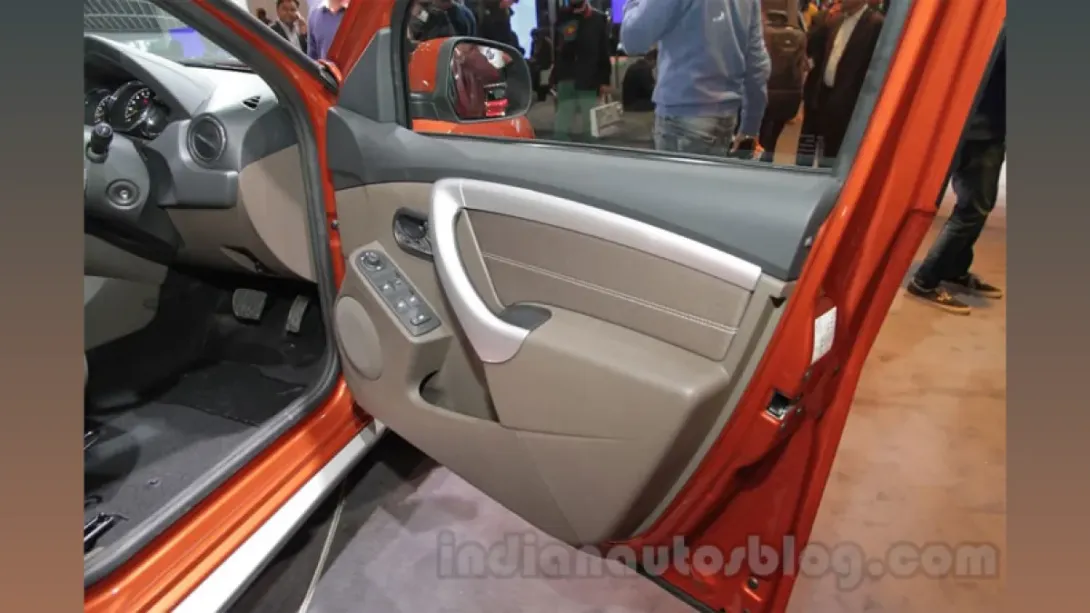
Renault is preparing to reintroduce the Duster in India, positioning the compact SUV as a cornerstone of its renewed growth strategy in one of the world’s most competitive automobile markets. The re-launch comes as demand for sport utility vehicles continues to outpace other segments, driven by shifting consumer preferences and improving road infrastructure. By reviving a model that once played a defining role in its India story, Renault aims to regain relevance, expand its market share, and strengthen its brand presence. The move signals a broader reset in Renault’s India operations, focused on localization, product refresh, and long-term commitment.
Duster’s Return Marks Strategic Reset
The Duster’s re-entry into the Indian market is more than a product launch; it represents a strategic recalibration for Renault. Once a segment pioneer, the Duster helped popularize compact SUVs in India before competition intensified. Its return reflects Renault’s intent to capitalize on the enduring strength of the SUV category while leveraging brand recall associated with the model.
Industry observers see the re-launch as a test of Renault’s ability to adapt to a market that has evolved significantly in terms of technology, design expectations, and pricing sensitivity.
SUV Demand Drives Market Opportunity
India’s passenger vehicle market has undergone a structural shift, with SUVs accounting for a growing share of overall sales. Consumers are increasingly drawn to higher ground clearance, road presence, and perceived safety, even in urban settings.
Renault’s decision to anchor its growth strategy around the Duster aligns with these trends. A competitively priced and well-equipped offering could allow the company to tap into both first-time SUV buyers and those upgrading from hatchbacks and sedans.
Localization and Cost Discipline in Focus
A key pillar of Renault’s India growth phase is deeper localization. Higher local sourcing is expected to help manage costs, improve pricing flexibility, and protect margins in a price-sensitive market.
The company is also likely to emphasize operational efficiency and streamlined product portfolios, lessons drawn from its earlier India experience. Analysts suggest that balancing features, performance, and affordability will be critical to the Duster’s success.
Competitive Landscape Remains Intense
The compact SUV segment is crowded, with established players and newer entrants offering feature-rich models backed by aggressive marketing. Renault’s challenge will be to differentiate the Duster through design, driving dynamics, and value proposition rather than relying solely on legacy appeal.
After-sales service, dealer network strength, and ownership experience will also play a decisive role in influencing buyer decisions.
Outlook: Cautious Optimism for Renault India
The Duster re-launch signals Renault’s renewed commitment to the Indian market at a time when several global automakers are reassessing their strategies. While the road ahead is competitive, a well-executed launch could help Renault regain momentum and rebuild consumer trust.
Success will depend on sustained product investment and consistency, but the Duster’s return offers Renault a credible platform to re-enter India’s growth trajectory with cautious optimism.
Comments